Why a Low Roll Could Turn a Swing Against Its Wielder
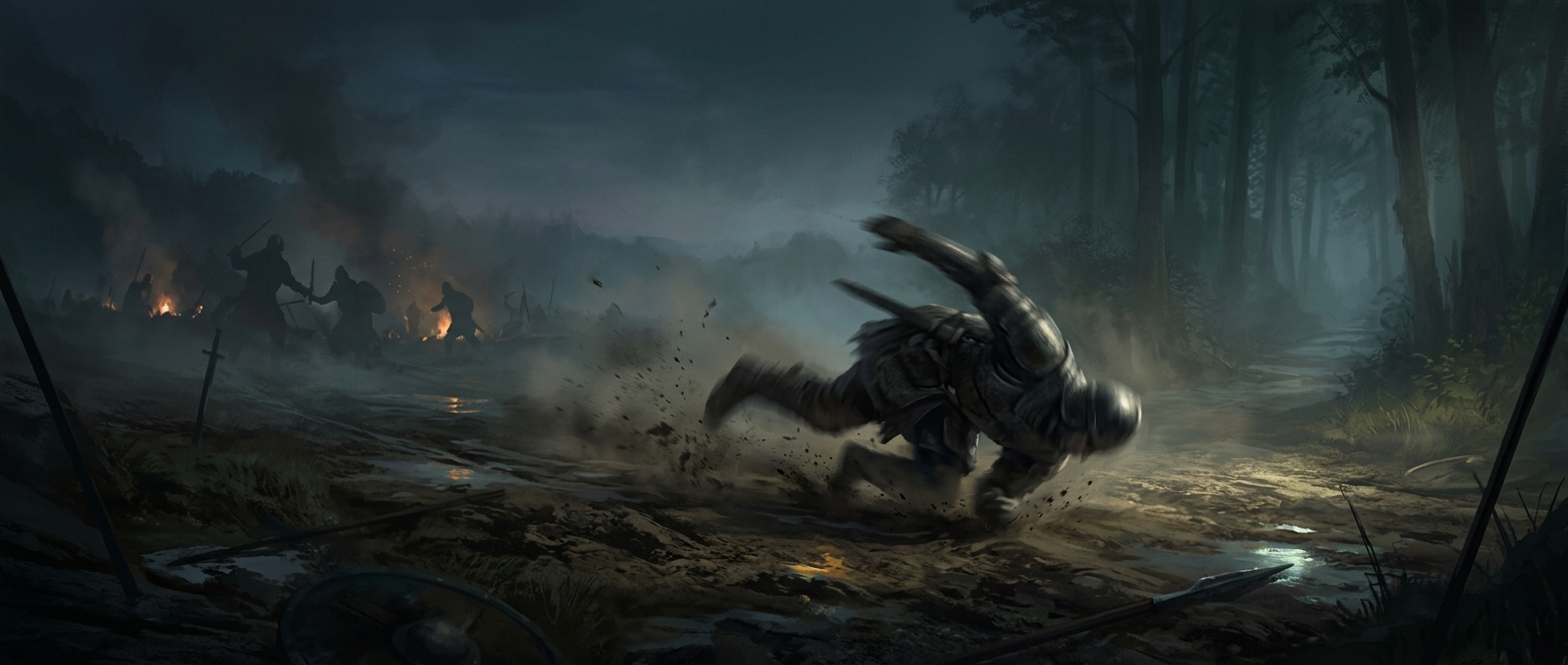
A committed sword swing is difficult to redirect halfway through. The attacker has already set the weapon moving along a particular path, using the shoulders, torso, and arms to drive it. If the target drops below that path at the right moment, the blade may pass overhead while the attacker’s balance and attention remain tied to the missed strike.
The roll’s purpose is not merely to dodge. It can carry the defender forward, bringing them close enough that the attacker has less room to use the sword’s length and build another full swing. At very close range, a long weapon may be awkward: its wielder may need to pull it back, change grip, or create space before striking effectively. The defender has turned the attacker’s reach into a temporary liability.
A Risky Move, Not a Guaranteed Escape
Timing is everything. Roll too early, and the attacker can change the strike; roll too late, and the blade can still catch the defender. The movement also puts a person low to the ground and briefly limits their ability to see, stand, or respond. Mud, stones, armor, other fighters, and nearby weapons could make the maneuver even harder.
So the tactic depended on a narrow opening: evade the blade, pass beneath its path, and emerge close before the attacker recovered. Its cleverness lies in changing the distance of the fight just as the swordsman is least prepared to manage it.