A memory test opens a different cut
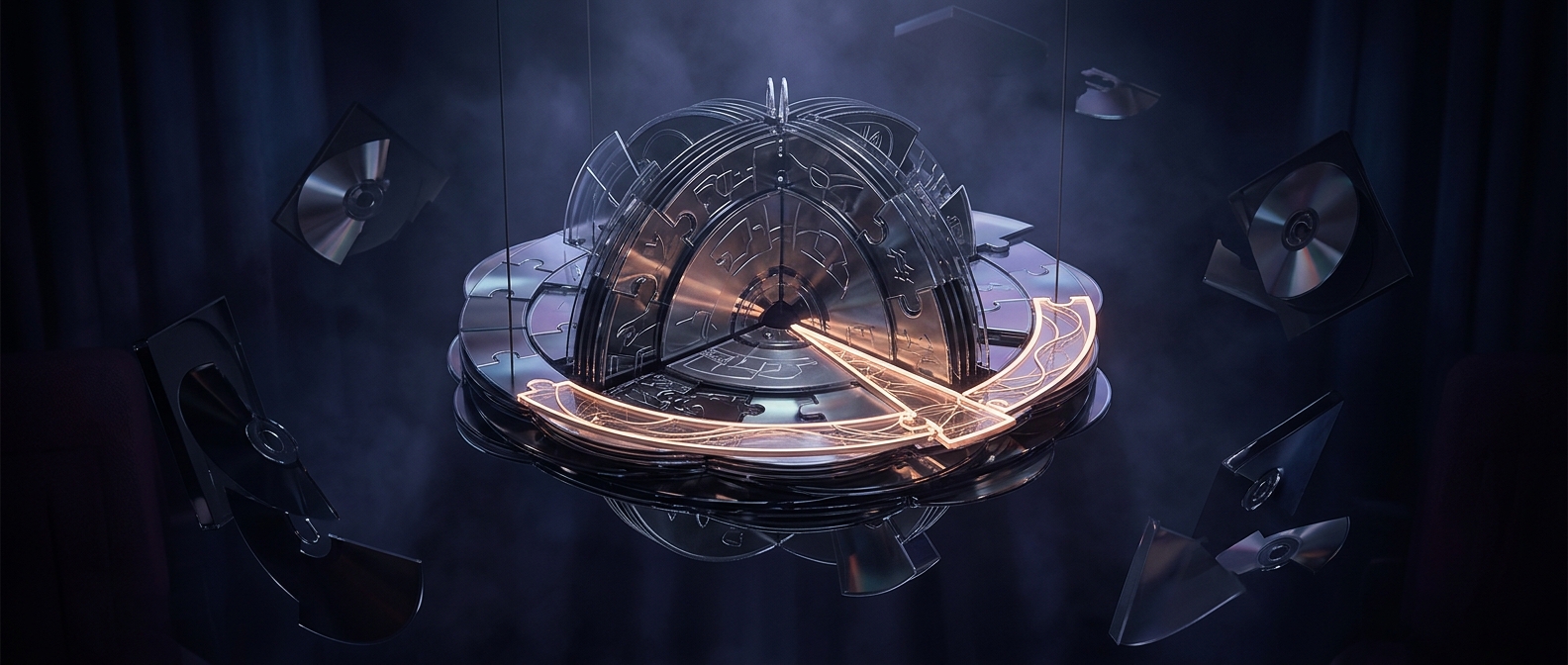
The hidden version turns the DVD menu into part of the puzzle. Styled like a psychiatric assessment, the menu asks viewers to answer questions about Memento; choosing the right answers unlocks the film in chronological order. It is an Easter egg, not a separate story: the same scenes are rearranged so events play in the order they happened.
Reordering changes the mystery
In the regular cut, the color scenes move backward through time, while black-and-white scenes move forward. The strands meet, leaving viewers to piece together what Leonard can’t reliably remember. In the chronological cut, that carefully staggered structure gives way to a more direct chain of events. Information that arrives late in the original can appear earlier, so the question shifts from “What just happened?” toward “What will happen next?”
That makes the alternate cut a demonstration of how much the film’s suspense depends on sequence. The scenes themselves do not need to change: changing their order changes what the audience knows, when it knows it, and how it interprets Leonard’s choices.
The menu extends the film’s design
The unlock fits a story built around gaps in memory and the effort to reconstruct events. Viewers first have to treat the DVD like a test, then can compare two ways of experiencing the same material: one that makes them assemble the past, and one that lays it out in order. The hidden feature turns the film’s central structural trick into something viewers can try for themselves.