stackyFACTS
Psychology

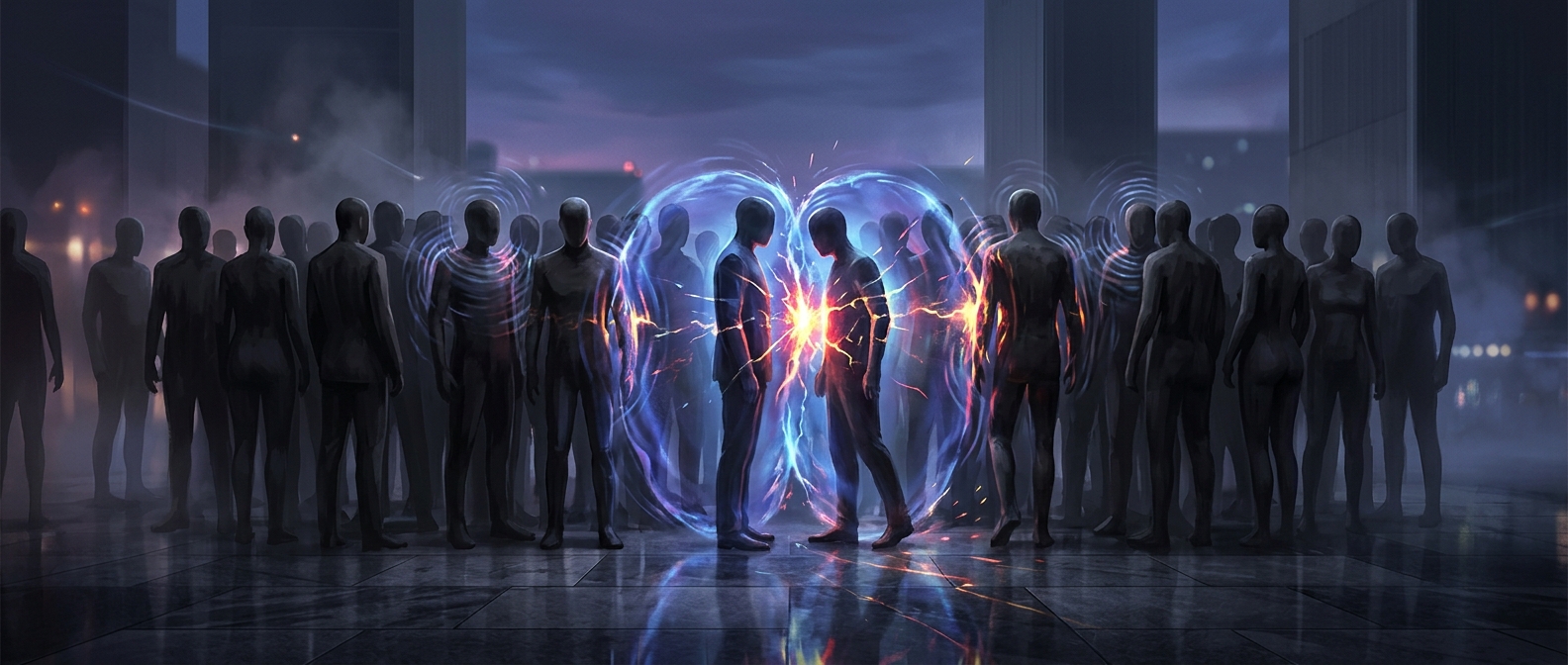
Invading personal space bubbles causes intense tension

HERE’S THE INTERESTING PART

Standing slightly too close in an elevator is an act of psychological warfare. Proxemics studies our invisible, fiercely defended territorial bubbles. When a stranger crosses the eighteen-inch threshold into intimate space without permission, our autonomic nervous system kicks into high alert. The immediate physiological tension is a desperate biological demand for breathing room.
Invading personal space bubbles causes intense tension
STACKY / Psychology
One discovery leads to another.

Keep exploring facts in this topic.

Psychology →


STACKY FOR IPHONE

A bigger world.
One discovery
at a time.

Keep discovering with Stacky. Interesting facts in an app that is always within reach.

Download on the App Store
ONE MORE DISCOVERY?

Keep exploring

All in this topic →
Invisible personal space bubbles vary globally
Psychology

Invisible personal space bubbles vary globally

Standing too close to someone is a universal crime, but the exact distance of the crime scene shifts across borders. Proxemics studies how humans manage their…

Discover more
Why sitting in a circle can calm aggression
Psychology

Why sitting in a circle can calm aggression

The shape of your seating arrangement heavily alters your hostility level. Placing hostile individuals in a strict circle immediately drops confrontational…

Discover more
Why sunlight can make a room look bigger
Psychology

Why sunlight can make a room look bigger

Sunlight is the ultimate interior decorator's lie. A heavy influx of natural brightness tricks the spatial processing centers of the brain into judging a…

Discover more
If you always feel like the reliable one, the listener, the fixer, there is a high chance people around you are not actually more broken than average — you were simply trained to treat your own needs as emergencies only.
Psychology

If you always feel like the reliable one, the listener, the fixer, there is a high chance people around you are not actually more broken than average — you were simply trained to treat your own needs as emergencies only.

If you always feel like the reliable one, the listener, the fixer, there is a high chance people around you are not actually more broken than average — you…

Discover more
You probably apologize more to strangers than to yourself, saying sorry for existing while letting your own needs expire in the background.
Psychology

You probably apologize more to strangers than to yourself, saying sorry for existing while letting your own needs expire in the background.

You probably apologize more to strangers than to yourself, saying sorry for existing while letting your own needs expire in the background. Notice how often…

Discover more
Why you forget what you came into a room for
Psychology

Why you forget what you came into a room for

You can thank the 'doorway effect' for making you stand in the kitchen staring blankly at the fridge. Your brain treats physical doorways as event boundaries,…

Discover more
StackyMore discoveries in the app
Download on the App Store