Why a theater break is good business
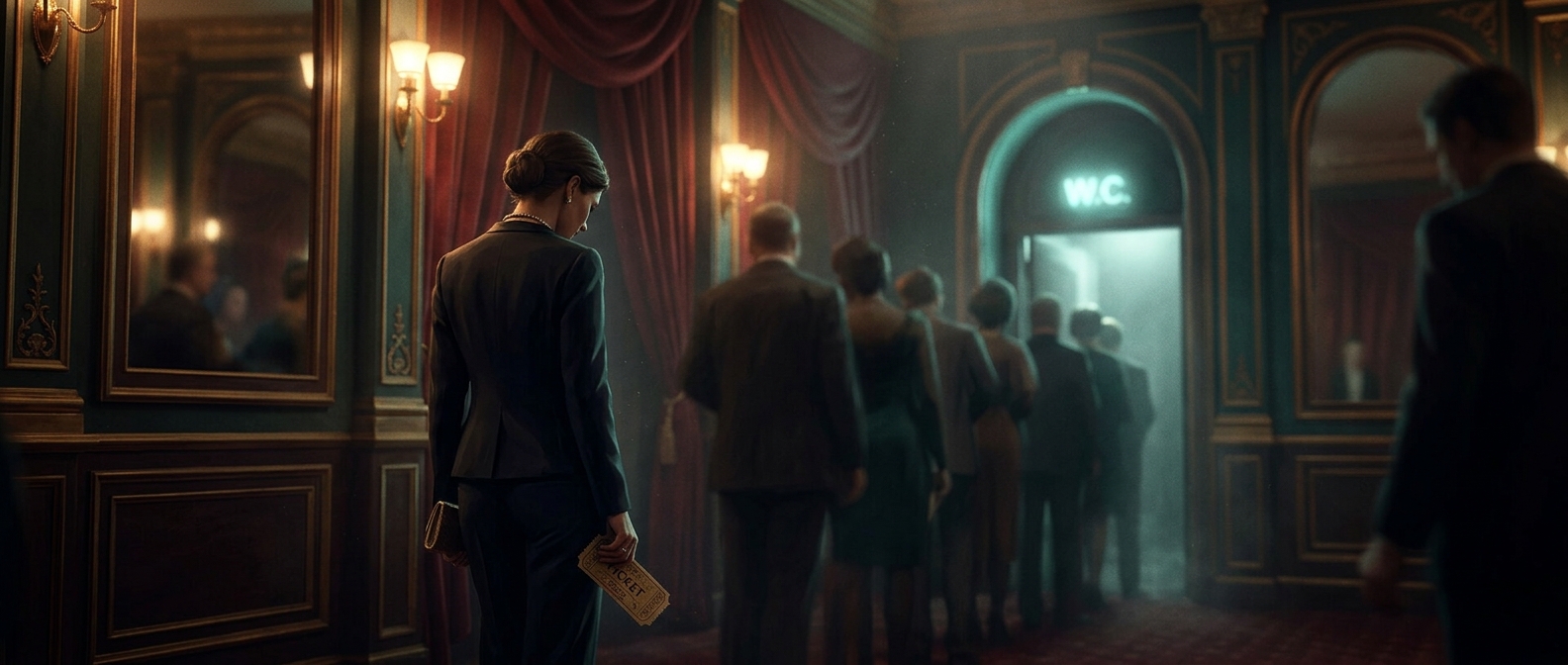
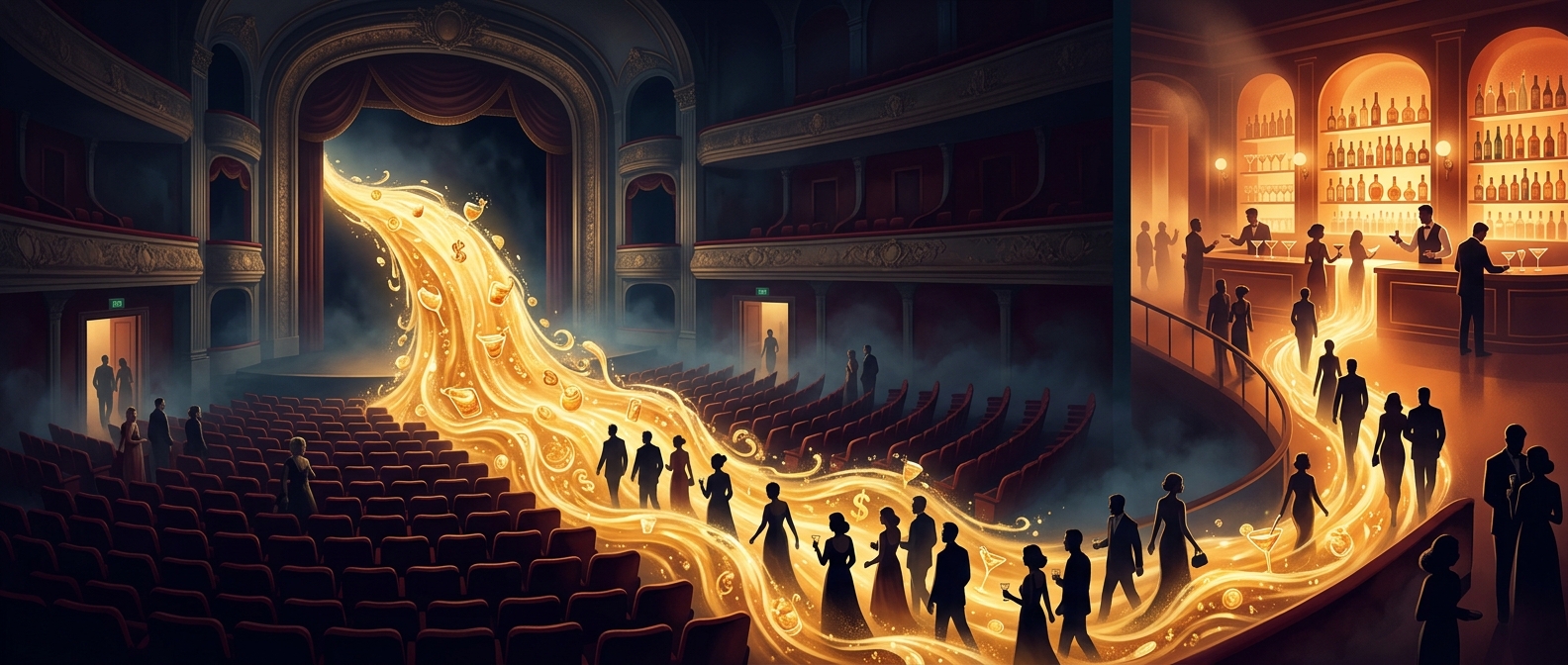
An intermission turns a pause in the performance into a period when the audience is still inside the venue—and has few easy alternatives. People can buy a drink or snack, use the restroom, and return before the next act. For the theater, those purchases can provide income beyond ticket sales. In some ticketing arrangements, a venue may keep a larger share of concession revenue than it does of ticket revenue, though the details vary.
That makes the break more than a courtesy. It creates a predictable window for sales without interrupting the show itself. The audience is already gathered; the lobby is open; and the next act gives people a reason to come back.
The pause also solves stage problems
Intermissions can serve the production as well as the venue. A crew may need time to move scenery, reset the stage, or prepare for a change in setting. A long performance also gives viewers a chance to stretch and step away, which can make it easier to sustain their attention through the rest of the show.
Those needs do not mean every production requires a break. A performance designed to flow continuously may have none, while another may use an interval to mark a major shift in the story. The decision reflects a tradeoff: a break can support logistics and audience comfort, but it also interrupts dramatic momentum.
The lobby interval is therefore useful on several levels at once: it gives people a breather, gives the crew time, and gives the venue a chance to earn from the audience between acts.