The ending was a theatrical compromise
In the original A Doll’s House, Nora’s departure is the play’s decisive break: after recognizing that her marriage has denied her an independent life, she leaves her husband and children. That choice made the final door slam more than a dramatic flourish. It showed Nora acting on the play’s central conflict, even at a painful cost.
For a German production, the actress playing Nora would not perform that ending. Ibsen supplied a different one in which Nora sees her children and stays. The change answered a practical obstacle—without an ending the lead actress would accept, the production could not proceed—but it altered what the play seemed to say.
One scene changed the play’s meaning
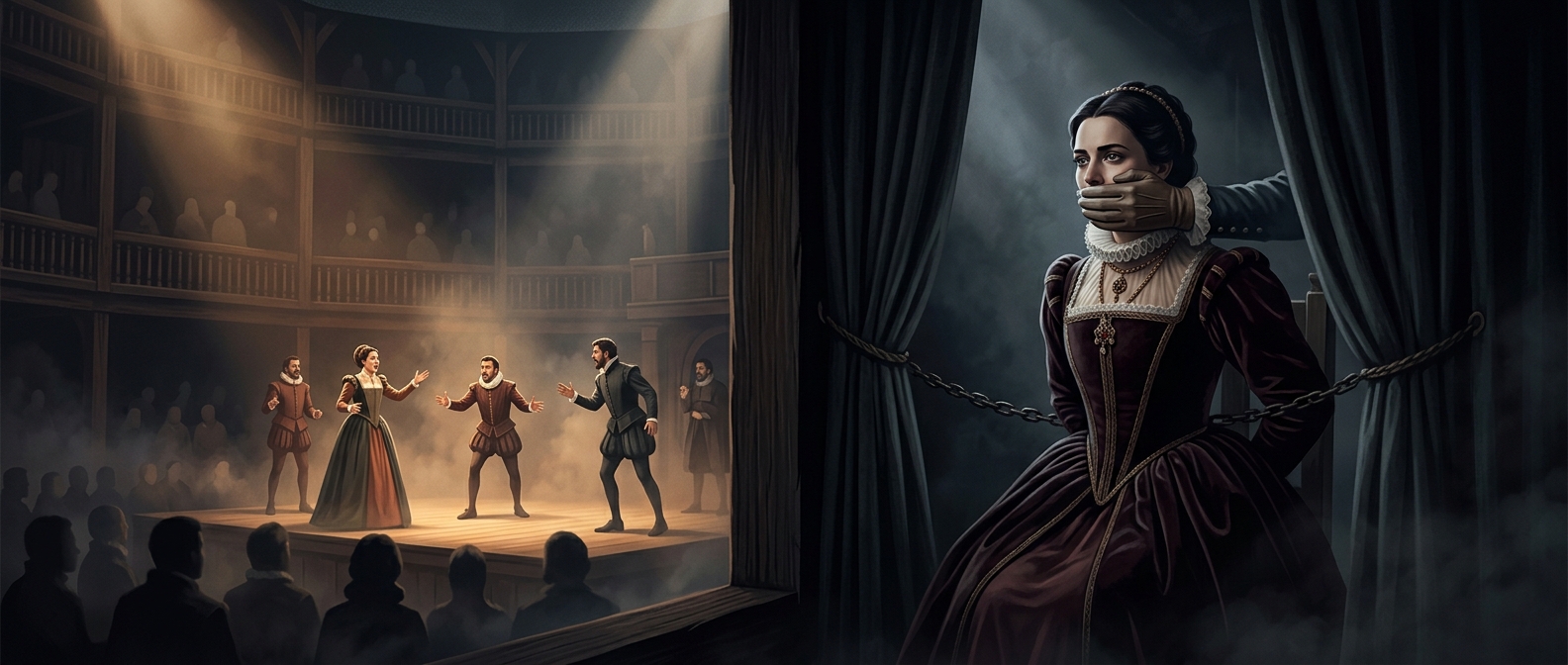
In the alternative ending, Nora’s attention shifts from her own future to her children. Instead of completing her break with her husband, she remains in the household. The audience is left with a Nora who appears unable to leave, rather than one who chooses to do so. A production could therefore preserve the family’s outward unity while weakening the original ending’s challenge to marriage and women’s limited choices.
Ibsen later condemned the revision as a “barbaric outrage.” His anger reflects more than dislike of a changed stage moment: the ending reversed the action on which the drama’s argument depended. The episode shows how a performance constraint can reach beyond casting or staging. When an actor refuses a character’s final decision, the playwright may have to alter not just the scene, but the conclusion audiences carry away.