Why a step toward the back could seize the scene
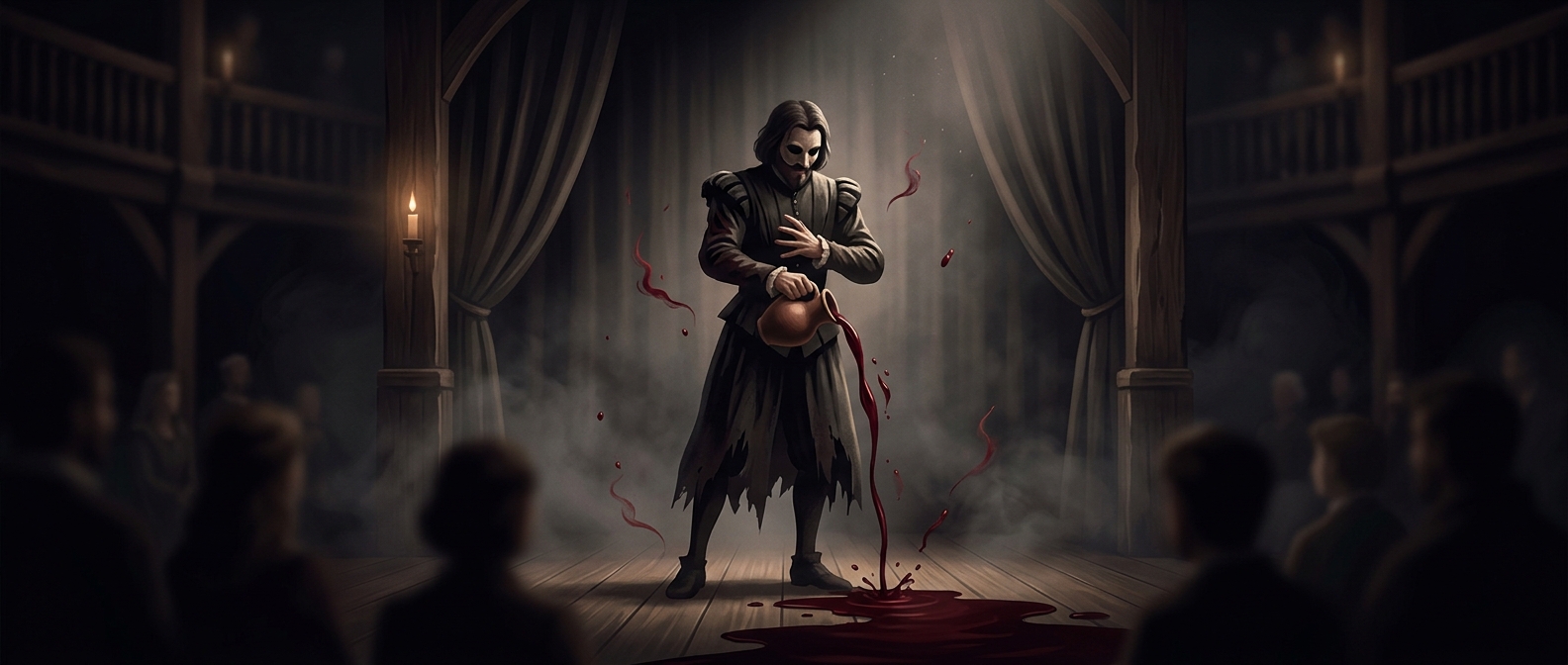
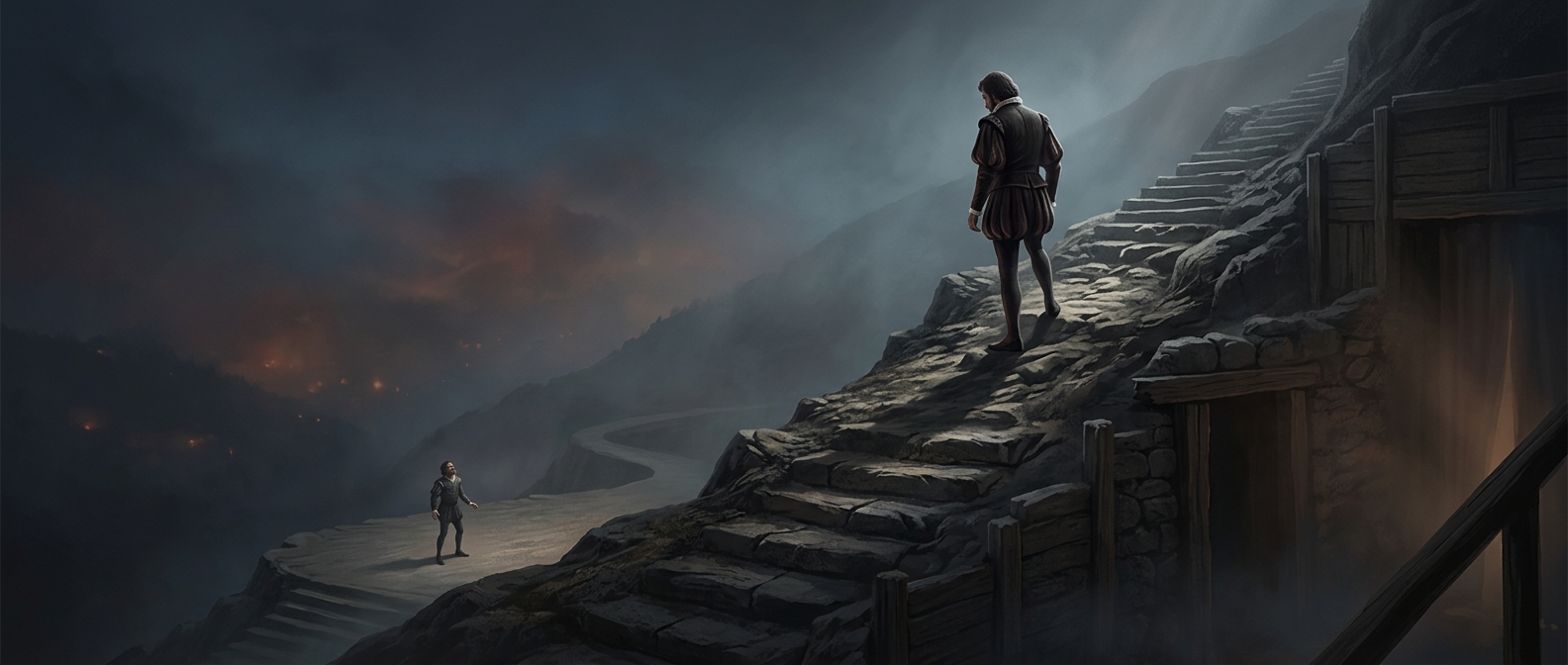
A raked stage slopes upward from the audience toward the rear. That incline helped spectators see performers standing behind one another, but it also gave movement a visual consequence: an actor walking upstage—away from the audience—was climbing toward the back wall, not crossing a flat floor.
In a face-to-face exchange, the other actor then had a choice. To keep addressing the person who had moved away, they had to pivot upstage too. That turn could hide part of their face from the audience, while the moving actor remained visible. A small retreat could therefore redirect attention and alter the stage picture without a new line or gesture.
The stage’s slope changed the balance between actors
The effect came from how theatre works as a shared picture. Audiences read faces, posture, and where performers stand in relation to one another. On a slope, moving toward the rear could make an actor seem to withdraw while still occupying a prominent, visible position. Meanwhile, a scene partner who followed risked giving the audience their back.
That tension made upstage movement a useful piece of stagecraft: an actor could pull another performer—and the audience’s attention—out of the usual front-facing arrangement. The advantage was not automatic. It depended on the blocking, the actors’ positions, and whether the scene partner chose to follow. But when it worked, simply moving uphill could change who appeared to command the moment.
Why modern staging can feel different
Many contemporary stages are flat, so moving toward the rear no longer involves the same climb. The term upstage remains in use, but its practical effect depends on the theatre’s layout. On a raked floor, the architecture itself could help turn a quiet step into a contest for visibility.