The Stage Had a Hidden Underside
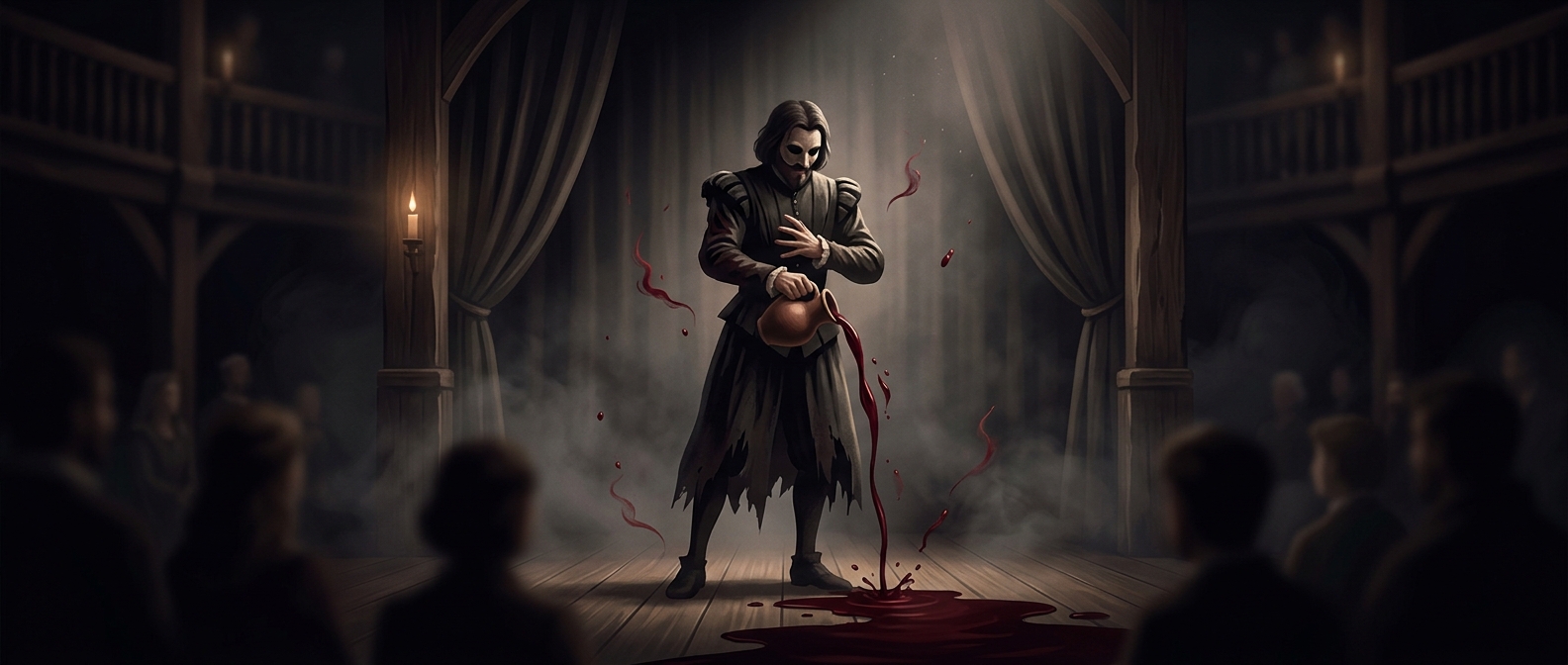
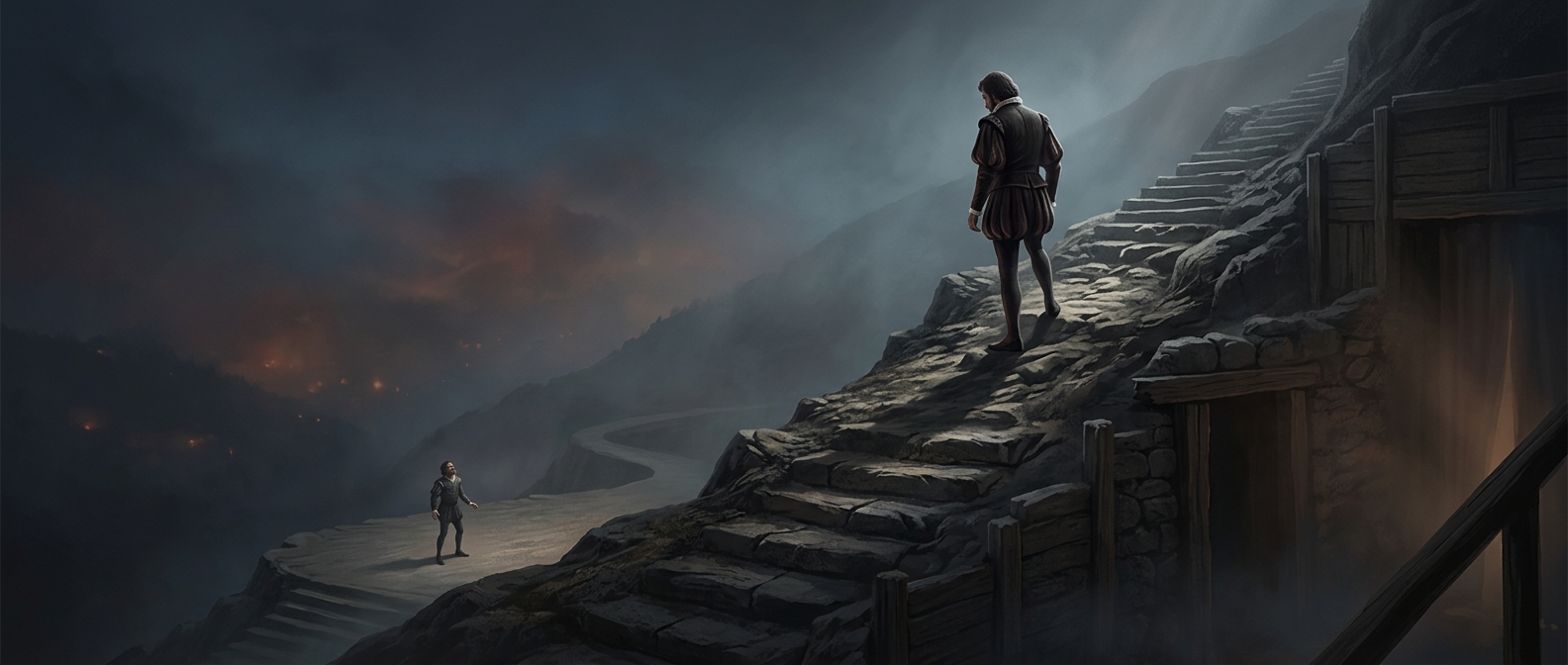
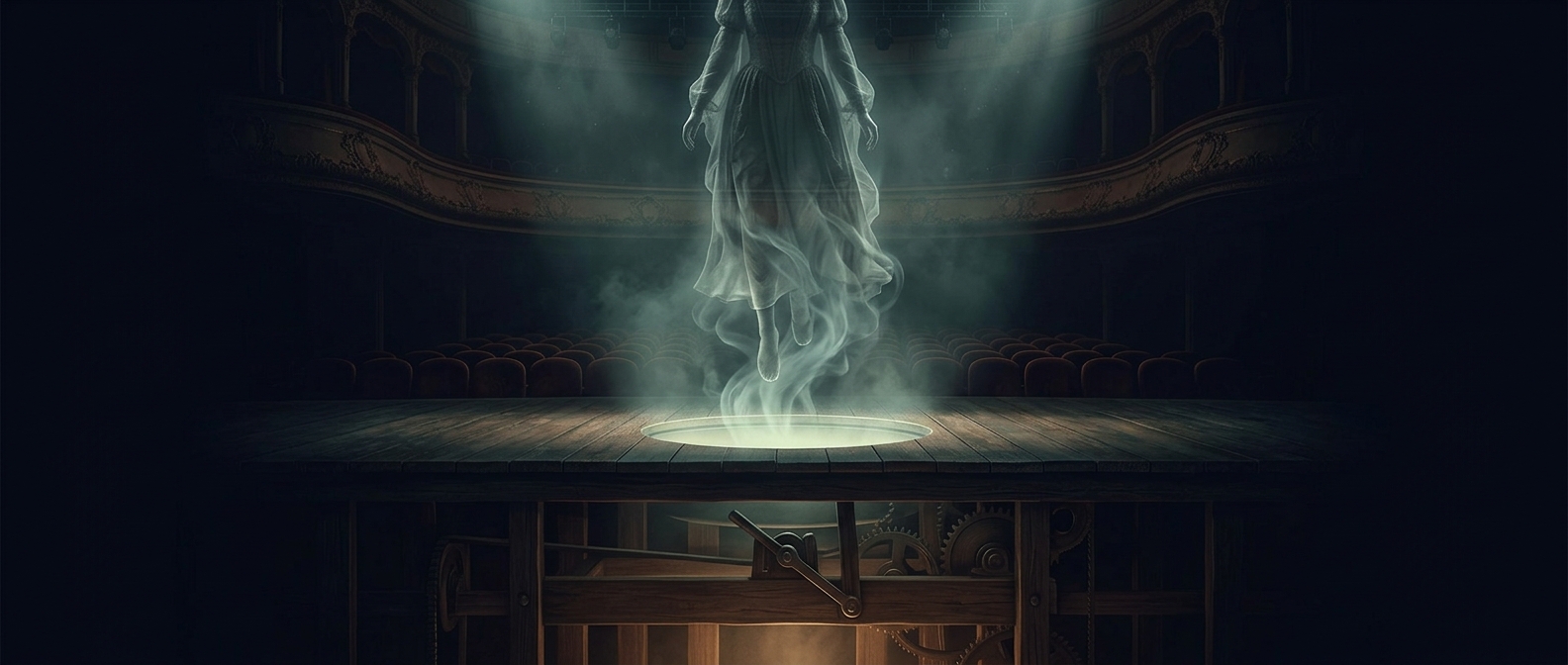
For a theater audience, the floor was not just a surface for actors to stand on. In some classic theaters, a working space beneath it—known as “Hell”—gave performers and stage effects a route into the action from below. A trapdoor connected the two levels, turning an ordinary-looking patch of stage into an entrance.
An actor playing a ghost or demon could wait out of sight beneath the boards, then appear through the opening at the moment the scene demanded. The effect depended on a simple contrast: the audience saw a figure emerge from a place normally hidden from view, making the entrance feel as if it came from another realm.
An Entrance Built Into the Floor
The trapdoor made supernatural arrivals a matter of stagecraft rather than a change of scenery. Instead of bringing a ghost on through a visible doorway, performers could appear from beneath the stage itself. That gave playwrights and theater companies a way to make the boundary between the ordinary world and the supernatural visible—and then break it in front of the audience.
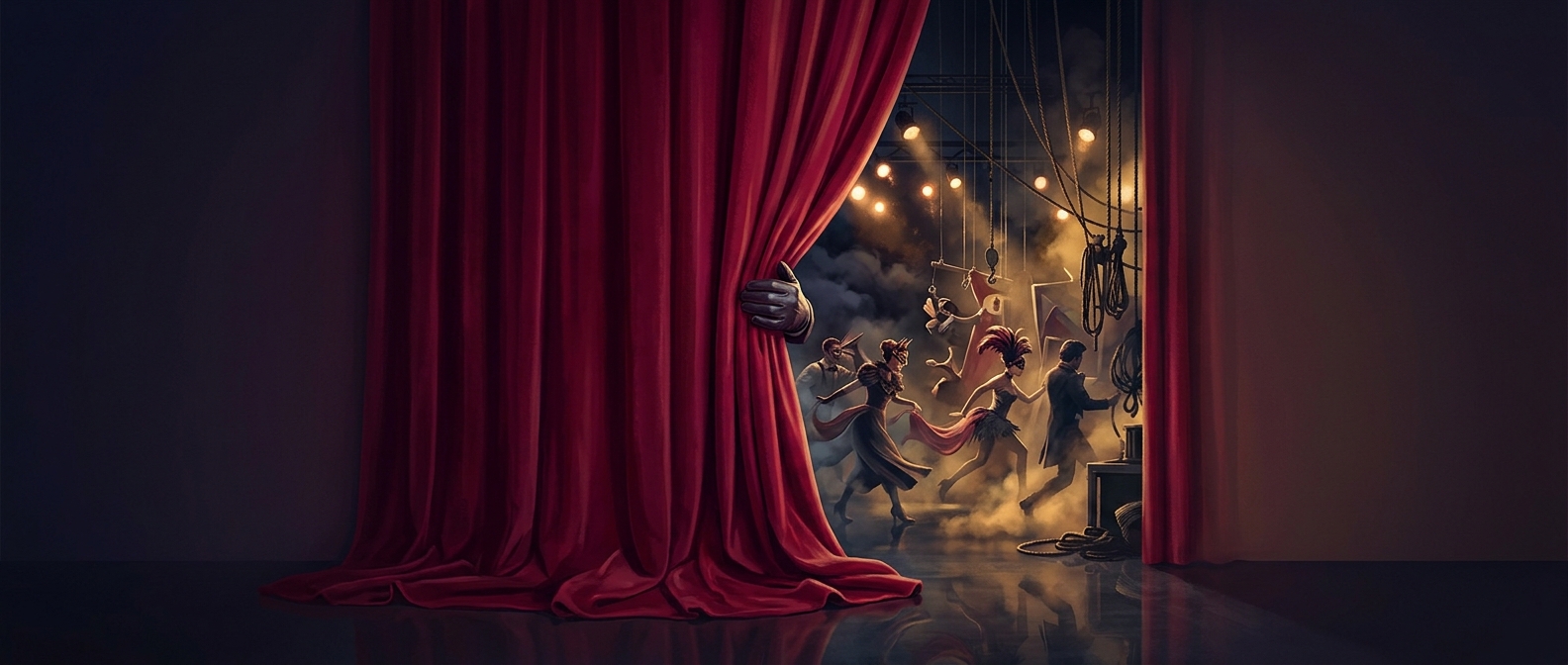
The arrangement also imposed a practical constraint: the entrance had to be timed and coordinated with the scene above. The actor below could not be seen until the opening was used, so the trapdoor served both as a concealed waiting place and as a carefully timed effect. When it worked, a hidden piece of theater architecture became part of the story: the floor opened, and the impossible seemed to come up through it.