The yard made theater cheap—and crowded
At Shakespeare’s public playhouses, the lowest price bought entry to the open yard rather than a bench in a gallery. These spectators, often called groundlings, watched on their feet, close together around the stage. Their position was part of the building’s economics: the yard could hold many people, while the more expensive galleries offered places to sit and some shelter.
That arrangement brought the audience into the action, but it also concentrated the mess. People ate during performances and discarded what they had brought; in a crowded outdoor space with rudimentary sanitation, food scraps and human waste could accumulate underfoot. The dirt was not just a colorful detail. It followed from packing a large audience into an exposed space without the amenities of a modern theater.
The audience was part of the spectacle
The yard’s low price made a play accessible to people who could not afford gallery admission, but affordability came with discomfort. Groundlings stood through performances, exposed to weather and jostling, while wealthier spectators paid for a more comfortable vantage point. The theater thus turned social difference into architecture: the audience could hear and see the same play, but not under the same conditions.
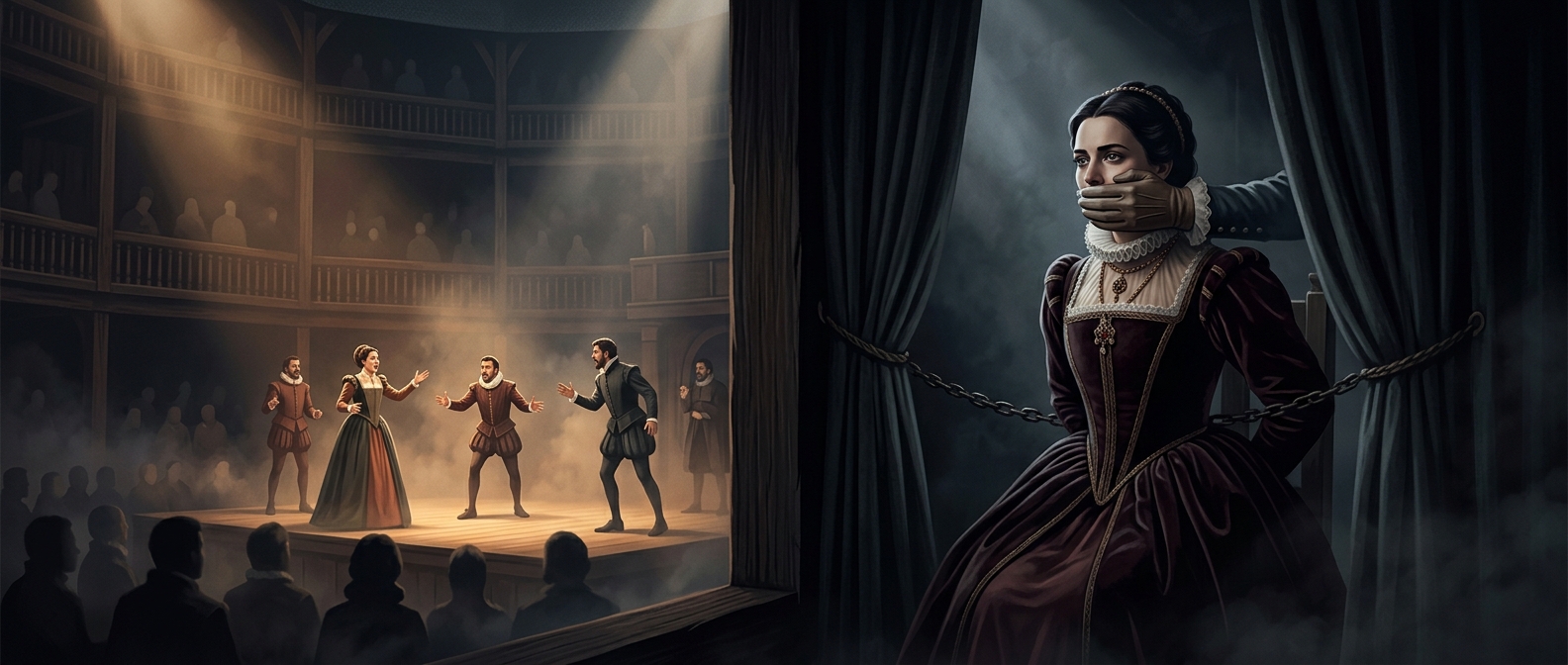
That physical closeness also shaped performance. Actors played on a stage that projected into the crowd, with spectators gathered around it rather than hidden in rows of seats. A Shakespearean performance was therefore not a quiet encounter between actors and a distant audience; it unfolded amid a living, noisy crowd, standing in the same yard where yesterday’s scraps—and worse—might still be underfoot.