Why marker ink wipes off a glass board
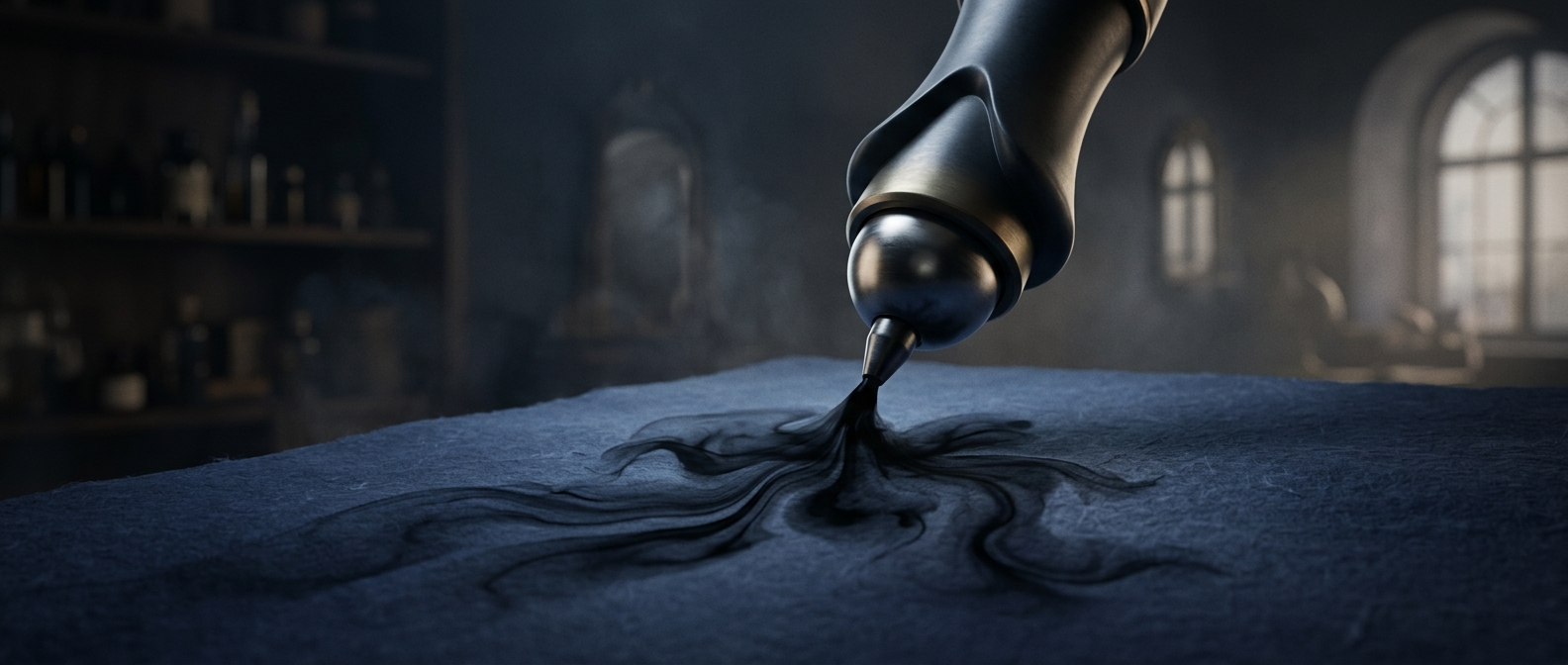
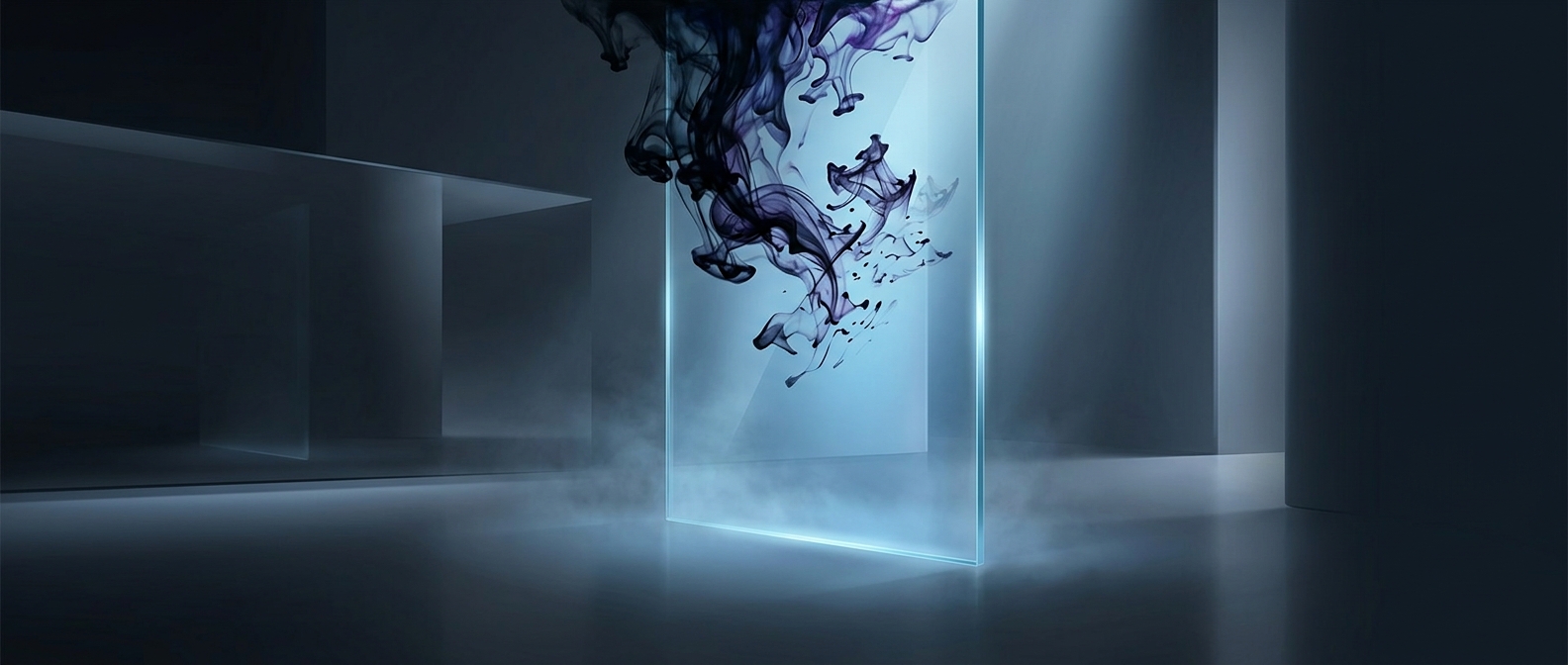
Dry-erase ink is designed to sit on a surface rather than soak into it. On glass, the surface is so smooth and sealed that the ink’s color particles have no pores or fibers to lodge in. The marker’s liquid spreads into a thin film; as its volatile ingredients evaporate, the remaining pigment and binder form a light layer on top of the glass.
A dry-erase marker also contains a release agent that limits how strongly that layer bonds to the board. When you wipe, friction lifts the dried film away instead of scraping color out of the material. That is why a glass board can look clean again after a few passes with an eraser or cloth.
The surface matters as much as the marker
A porous surface behaves differently. Paper and unfinished wood absorb liquid, carrying pigment beneath the surface where a cloth cannot reach it. Even a board that looks smooth may have microscopic texture or wear that lets ink settle in and become harder to remove.
Glass avoids that problem because its writing face is continuous and non-porous. Melamine and porcelain boards can also resist staining when their writing surfaces are intact, though scratches or worn coatings may give ink places to catch. The key is not that the ink never dries, but that it dries as a removable film rather than becoming part of the board.