Why Sahasrara Sits at the Crown
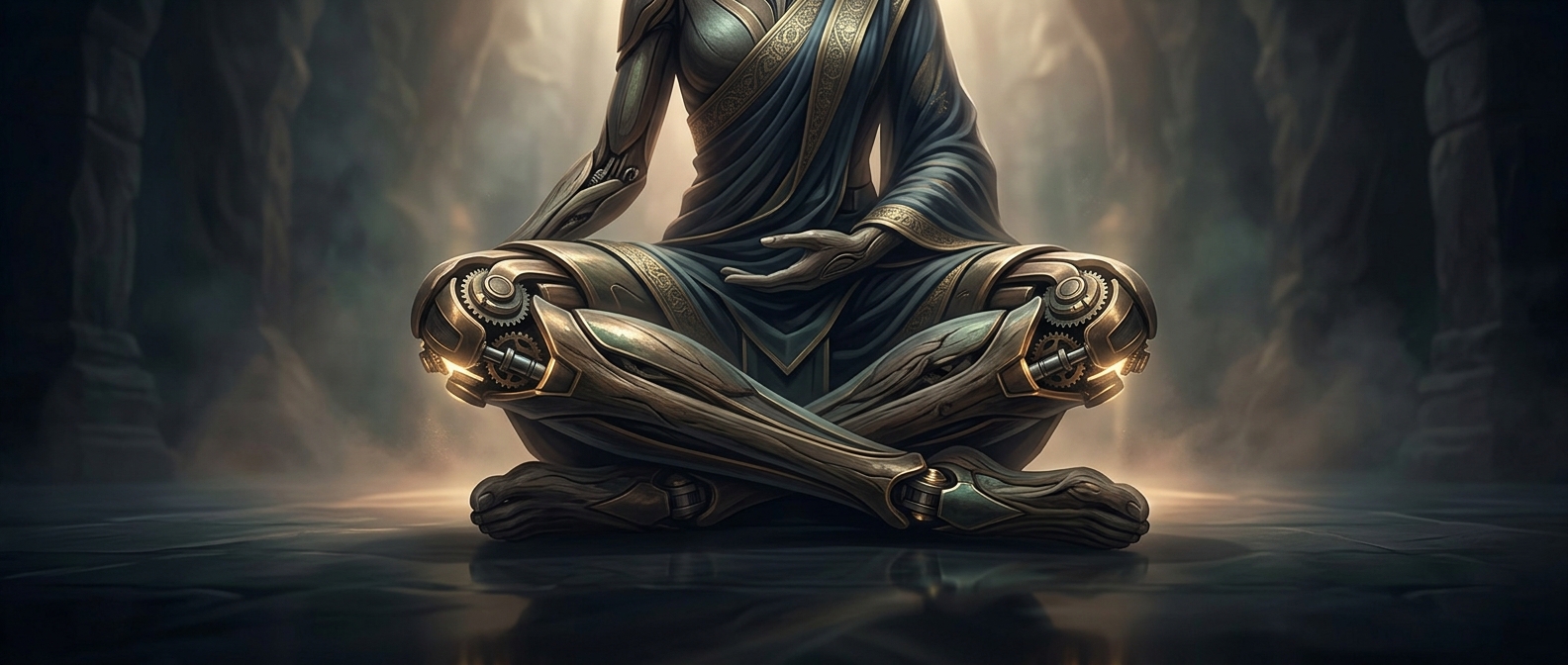
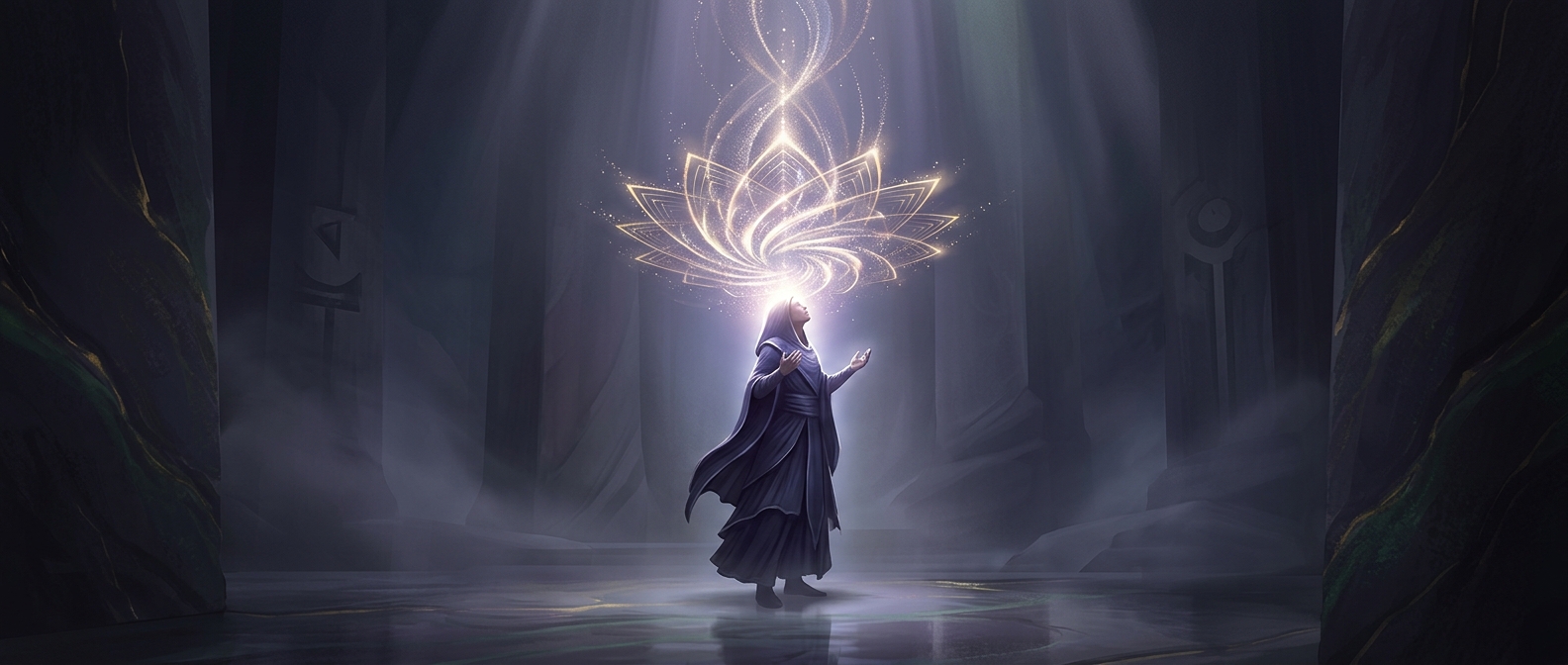
Sahasrara is commonly glossed as “thousand-petaled.” In chakra traditions that include it, the image is a lotus at the top of the head: its many petals suggest a reality too expansive to be contained by ordinary categories. The crown is therefore not just the highest point on a diagram. It gives spiritual culmination a place in the body’s symbolic map.
Chakra maps describe a subtle body—a religious and contemplative model of experience, not a set of structures identified by anatomy. Traditions differ in how they count and explain the centers, and Sahasrara is not treated identically in every system.
A Symbol of the End of the Map
The idea of “reaching” Sahasrara can be misleading if taken as a journey to a physical destination. In these teachings, the ascent through centers represents a change in awareness: attention is imagined as moving beyond everyday concerns and the sense of being a separate self. Union with the absolute names that culmination within the tradition; it is a spiritual interpretation, not a measurable bodily event.
The lotus helps express the paradox. A person may practice with breath, meditation, or other disciplines, yet the goal is described as a state that cannot be reduced to a technique. Accounts of such experiences vary because they are reported through individual perception and shaped by the teachings people use to understand them. Sahasrara’s significance lies in that symbolic role: it marks the point where the map gestures beyond itself.