A book built from metal, not paper
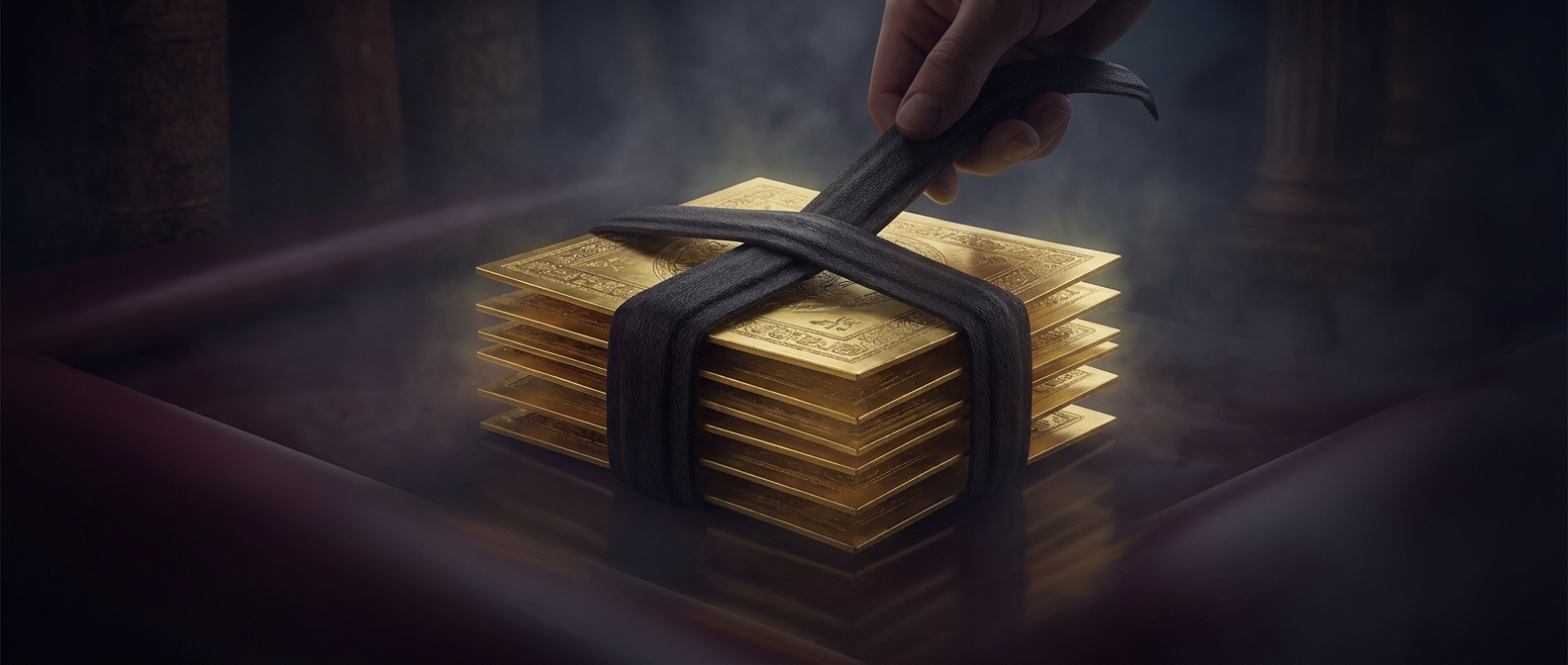
Around 600 BCE, long before bound books became familiar, someone made a tiny volume from six sheets of 24-karat gold. The sheets were joined with gold rings, creating pages that could be turned. Making them required more than valuable material: gold had to be worked thin enough to form pages, then marked with images while remaining intact.
The result was both a book-shaped object and a display of extraordinary wealth. Gold does not rust like iron, so the pages could survive for centuries underground; but its softness also meant the sheets could bend or tear. The maker had to balance thinness and delicacy against the need for a usable object.
What the pictures can—and cannot—tell us
The pages show horsemen, soldiers, and a mermaid-like figure. Those images offer clues to the world the maker wanted to represent, but they do not by themselves reveal the book’s exact purpose or the stories its owner attached to it. It may have been made for someone of high status, or for a special ceremonial use; the gold and careful construction make an ordinary everyday notebook unlikely.
Canal workers found the object in Bulgaria during World War II. That accidental discovery links a modern construction site to an artifact created roughly 2,600 years earlier. Its small scale makes the contrast especially striking: an object that could fit in the hand carried the labor, material wealth, and images of an entire ancient world.