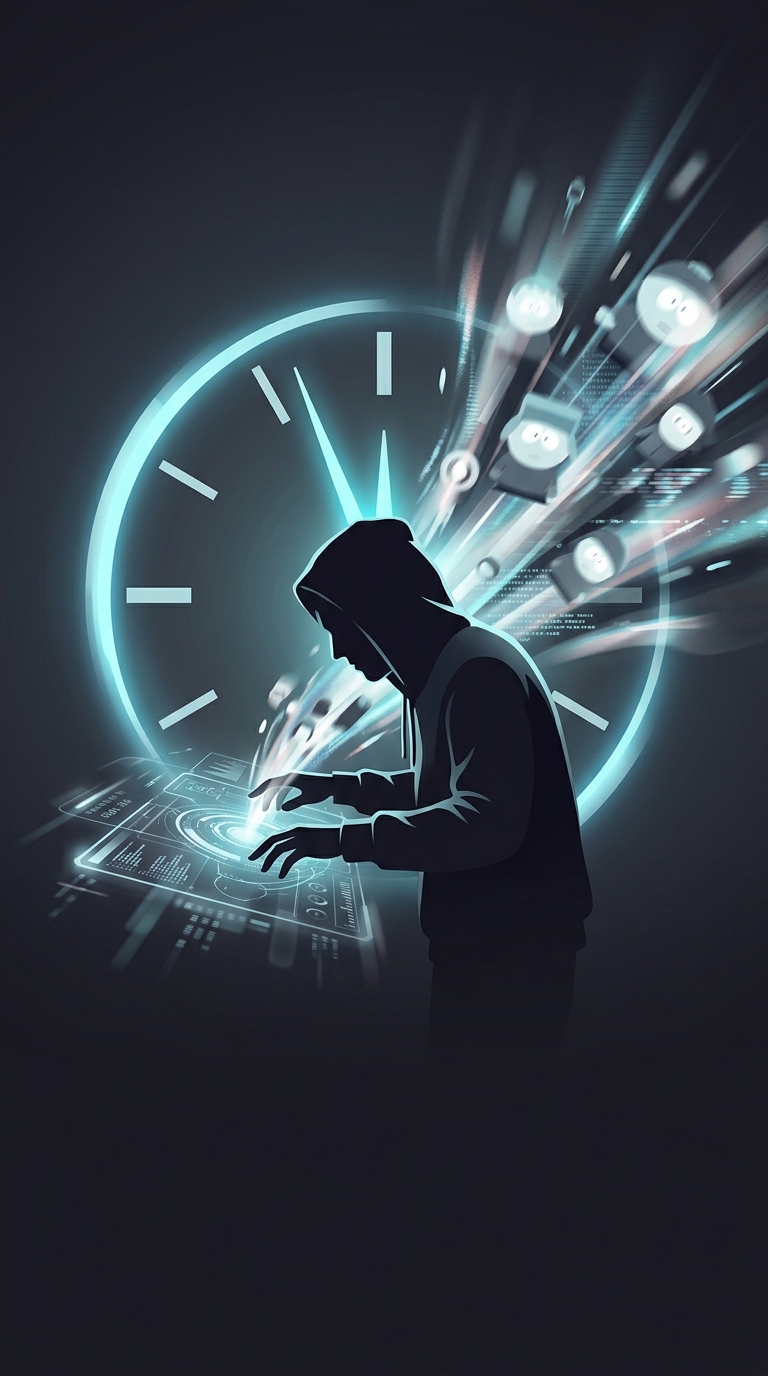
A South Park episode can go from idea to air in six days
The famously short turnaround is about six days, not the months-long schedule common in television animation. That pace lets the show respond to a news story or public controversy while it is still part of the conversation. It also means an episode’s jokes can change late in production instead of being locked in long before broadcast.
Digital cutouts make the deadline possible
South Park’s characters look like paper cutouts, but the series is made with digital animation tools. Artists build characters and backgrounds from reusable pieces, then move and alter those pieces on a computer. They do not have to redraw every frame by hand, so a scene can be assembled and revised much faster than traditional drawn animation allows.
That efficiency does not eliminate the work. Writers still need to shape a story, performers record dialogue, and artists animate, edit, and finish the episode. The compressed schedule works because these tasks are coordinated closely—and because the show’s deliberately simple visual style limits the amount of detail each scene requires.
Speed changes what the show can joke about
A long animation pipeline can make topical comedy feel stale by the time it airs. South Park’s quick production allows its creators to react to events with unusually little delay. The tradeoff is pressure: there is less time to polish or rethink a story, and the episode must be completed on a firm weekly deadline.
The result is a rare television format in which the production schedule itself becomes part of the comedy’s timing: the show can make a joke about the week while that week is still unfolding.