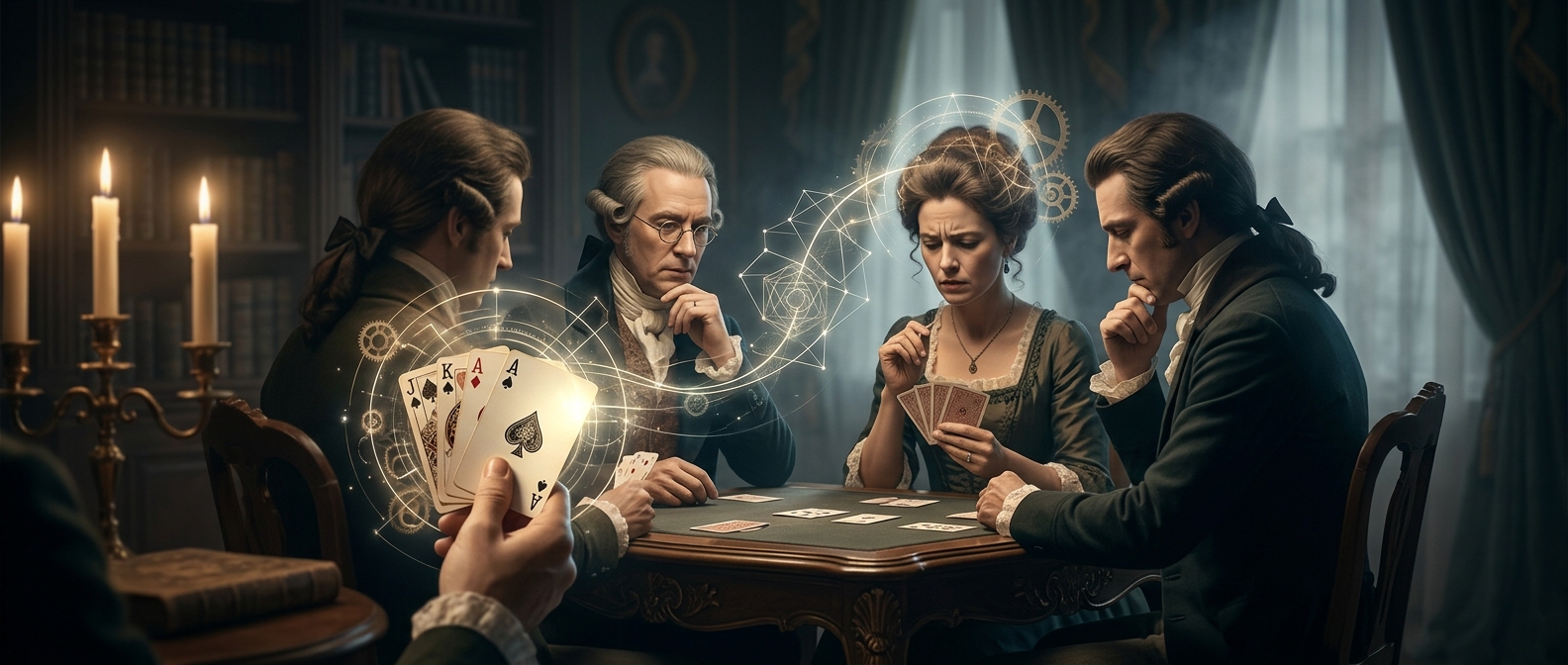
Bridge Turns a Hand of Cards Into a Partnership Puzzle
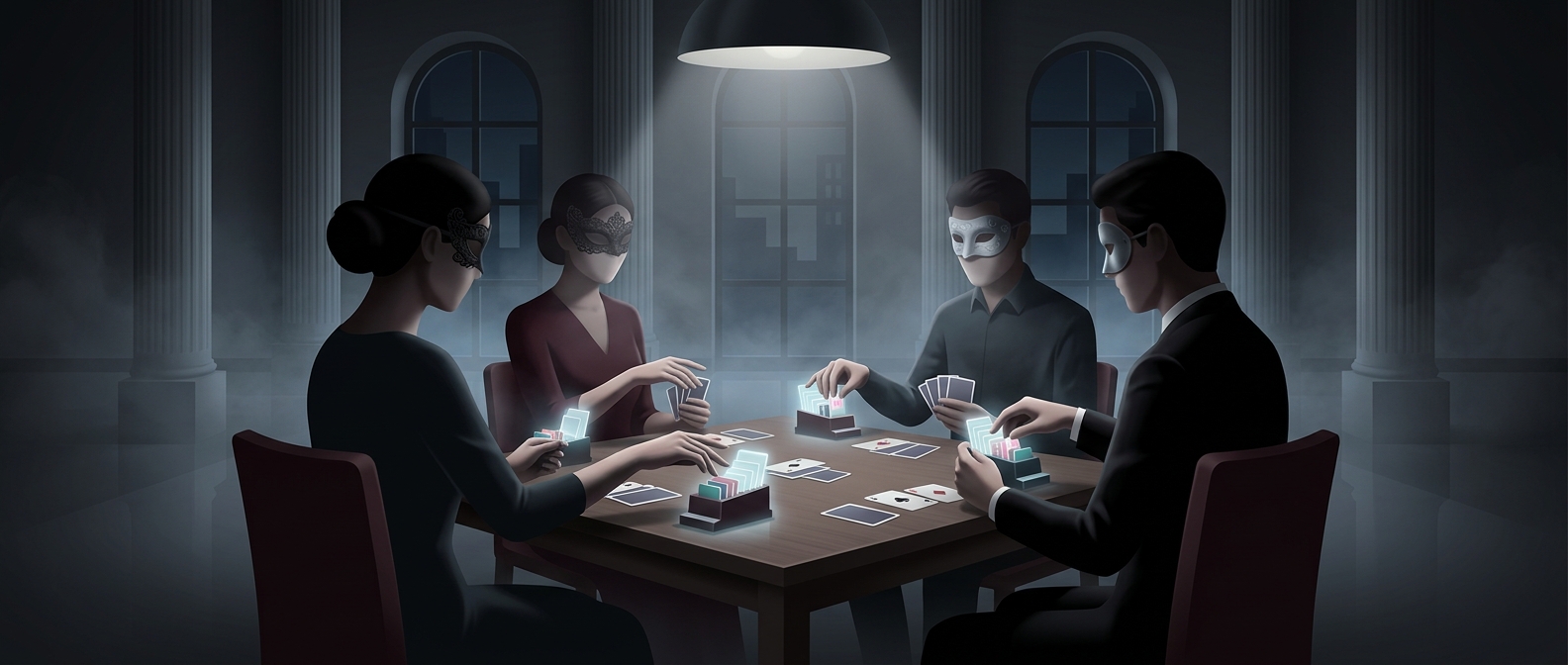
Bridge is built around more than the cards each player receives. In the first phase, called the auction, partners use bids to describe their hands and agree on a contract: how many tricks their side will try to win, and which suit, if any, will be trump. A bid is therefore both a plan and a clue. Players must communicate enough to coordinate while choosing words that opponents can also hear and interpret.
The play that follows tests whether that plan fits the cards actually held. One player becomes declarer and tries to make the contract; their partner lays down their cards as the “dummy,” visible to everyone. The defenders, meanwhile, combine their own cards with what the auction suggested to work out how to defeat it. Each trick changes what is known, so a sound decision may depend on remembering earlier plays and judging what an opponent is likely to hold.
Why the Same Cards Can Produce a Different Result
In many competitive events, pairs play the same deals as other pairs. This format, called duplicate bridge, reduces the luck of receiving unusually strong or weak cards: results are compared with how other partnerships handled that same distribution. The contest shifts toward decisions—what to bid, which card to lead, and when to take a risk.
That comparison also makes tiny choices consequential. A pair can reach a contract that most others found, but earn a better result by taking one extra trick; or choose a different contract and succeed where others fall short. Rankings and tournament results give players a way to track performance across events, while international matches turn those technical differences into team rivalries. The visible action is a card placed on the table; behind it is a chain of shared inference, memory, and calculated risk.