Why the body can still feel awake at bedtime
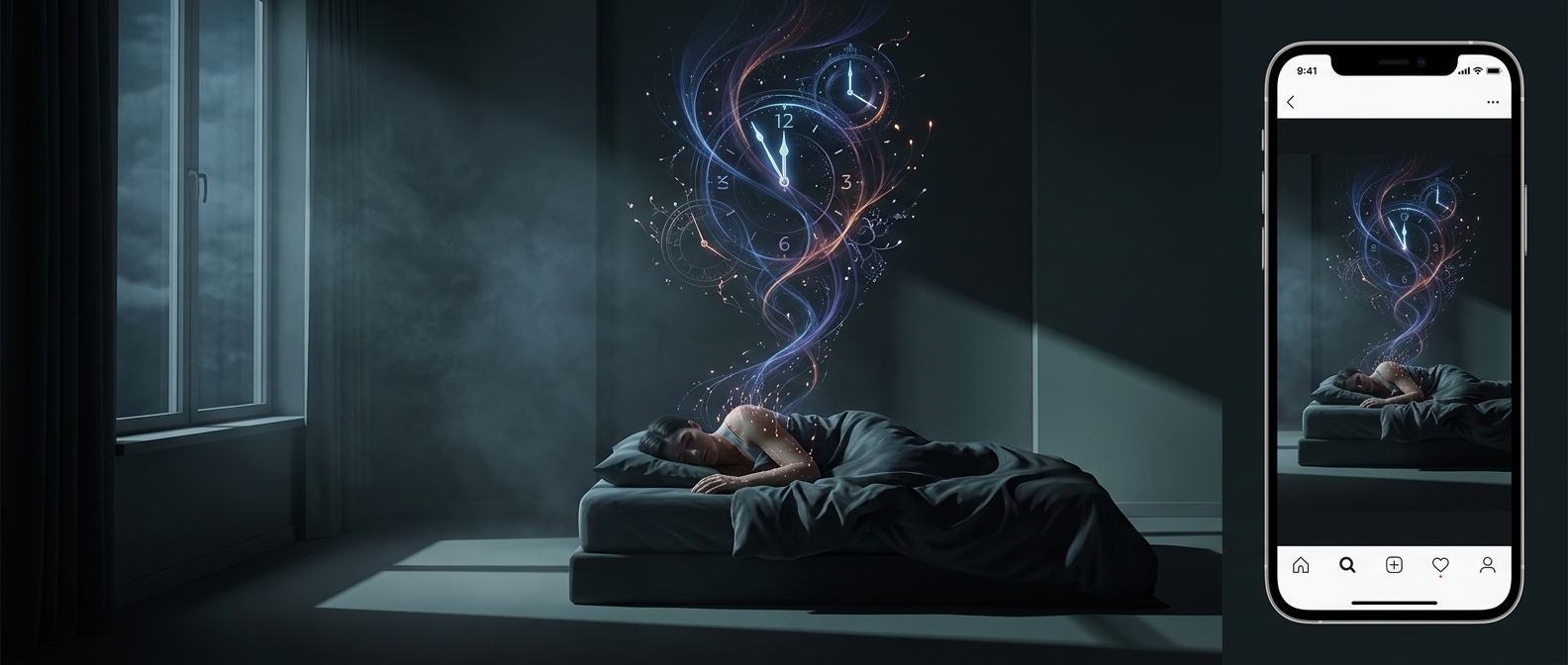
Sleep timing is partly governed by the circadian clock, an internal system that helps coordinate daily changes in alertness, body temperature, and hormone release. In some people, this clock runs later: the body’s evening signals arrive later, and the rise in alertness that helps prepare for waking also comes later. The result can be a real mismatch between the hours a person needs to keep and the hours their body seems ready to sleep.
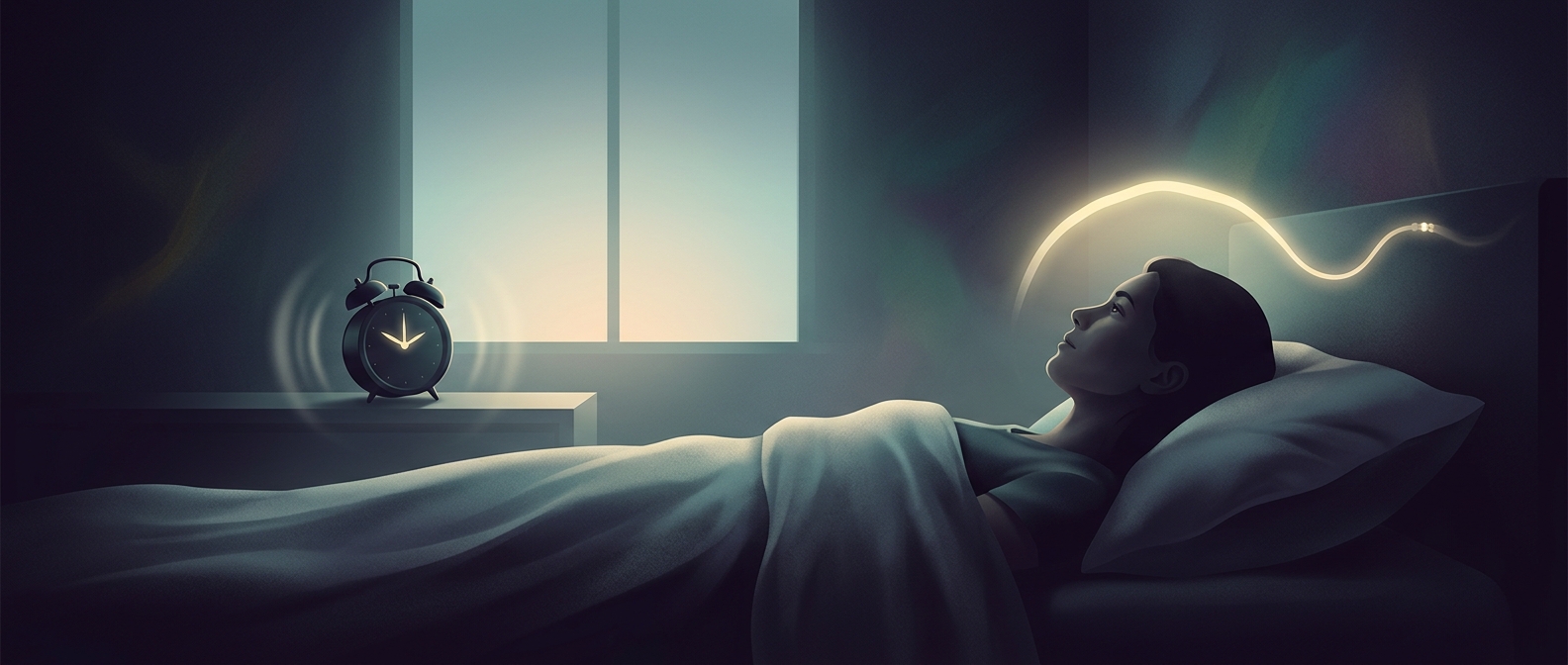
This is different from simply choosing to stay up. Someone whose clock is delayed may lie down earlier but remain alert because their body has not yet reached its usual sleep window. If they must get up early, the alarm can interrupt sleep before their internal night is over, leaving them short of rest even when they have spent enough time in bed.
Light helps set the clock
The clock is not fixed to exactly 24 hours; it is continually adjusted by cues from the environment, especially light. Light reaching the eyes tells the brain about the day’s timing. Morning light tends to move the clock earlier, while bright light late in the evening can push it later. That helps explain why late-night screens or brightly lit rooms may reinforce an already-late schedule, though they are not the sole cause of every night owl’s timing.
A shift usually takes repeated cues rather than a single early bedtime. Moving sleep and wake times earlier gradually, while getting light earlier in the day and reducing bright light late at night, can help some people bring their schedule forward. The practical point is that bedtime is not just a decision: it works best when it lines up with the body clock’s changing signals. An early alarm cannot instantly make that clock run earlier.