A patent could become a brake, not just a blueprint
A patent gives its owner the right to exclude others from making or selling a covered invention for a limited time. That right can attract investment: a company may pay to develop a product knowing competitors cannot immediately copy it. But the same legal tool can keep a product off the market. If a powerful firm buys a patent and chooses not to develop or license it, would-be competitors may face a costly legal barrier even if the underlying technology works.
The key is control. One company’s decision to shelve a design might simply reflect a poor business bet. When firms that dominate a market coordinate or collectively control the relevant rights, shelving can also protect the products they already sell.
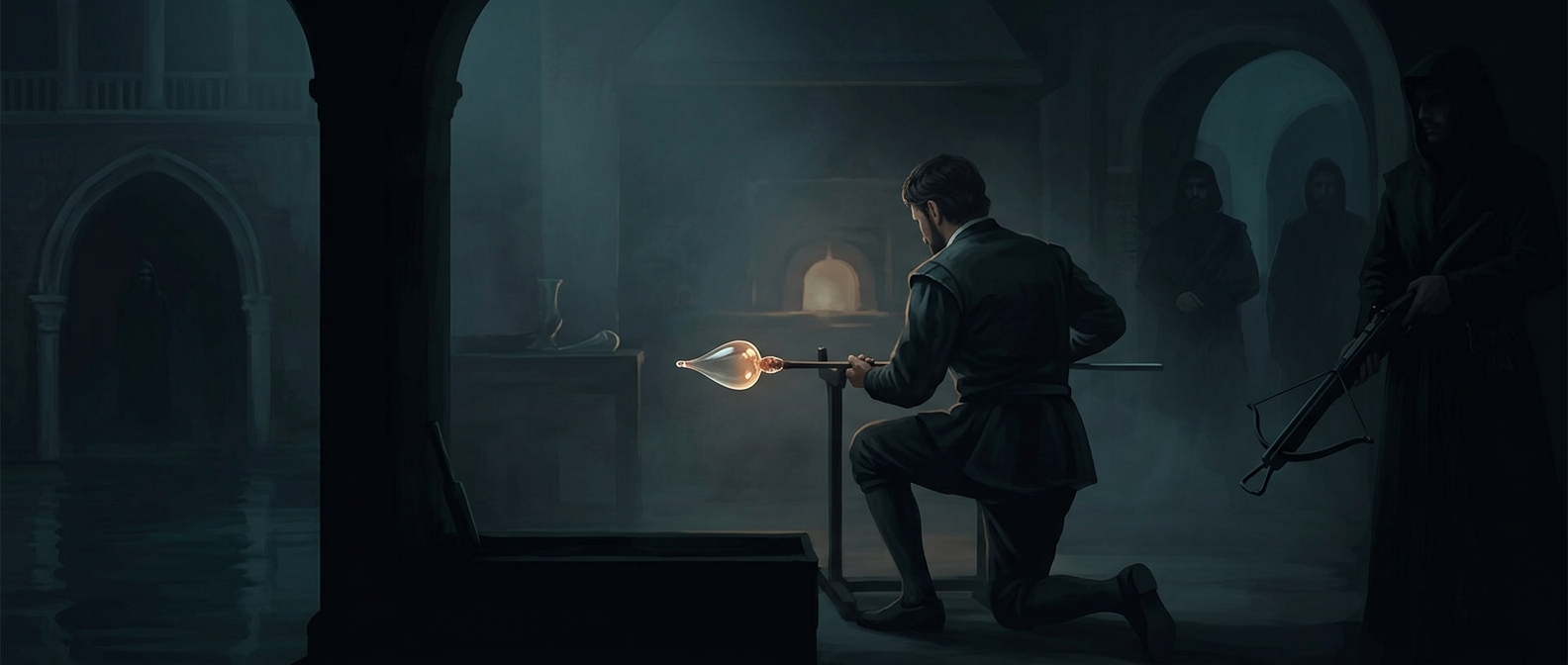
Why longer life could threaten bulb makers
For a business that earns money from replacement sales, a bulb that lasts longer changes the economics. Customers who need fewer replacements may buy fewer bulbs over time. A more durable design could still be profitable if it commanded a higher price or opened a new market—but it would challenge a business model built around repeat purchases.
That does not mean every long-lasting bulb was practical or that patent ownership alone explains what reached stores. Manufacturing cost, brightness, reliability, and distribution all matter. The incentive problem is narrower: a company with a stake in frequent replacement has less reason to promote a design that reduces it, and more ability to delay a rival’s attempt to do so if it controls the rights.
The same tension in electric cars
Electric cars posed a different commercial threat. Their success could shift demand away from established fuel and vehicle businesses, while also requiring new batteries, production methods, and infrastructure. Buying a patent could therefore be a way to control a potential competitor’s path into the market—not proof that the patent described a ready-to-sell car.
That distinction makes the pattern worth remembering. An invention can be technically possible yet commercially absent because the people with the power to build it see a stronger return in protecting what already exists. The decisive question is often not only “Can this be made?” but “Who has the right—and the incentive—to bring it to buyers?”