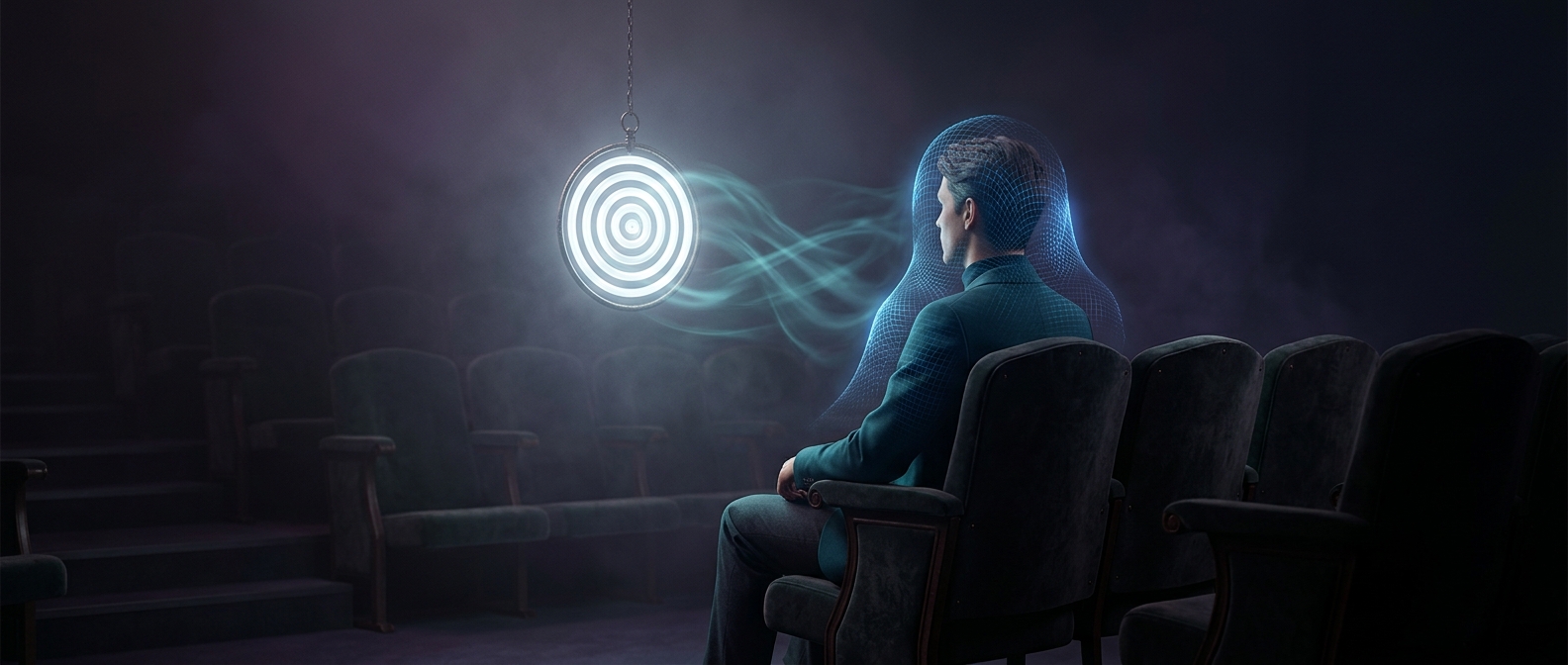
How Attention Can Turn a Tiny Sensation Into an Itch
Skin is constantly sending the brain small, ordinary signals: a hair brushing an arm, fabric shifting, or a brief tickle from a dry patch. Most pass unnoticed. But once you hear about lice or ticks, your brain has a reason to monitor the skin more closely.
Attention acts like a spotlight. It makes selected signals easier to notice, while expectation helps the brain decide what those signals might mean. A faint, ambiguous feeling that would usually fade into the background can be interpreted as an itch—and then become difficult to ignore.
Why the Feeling Seems So Convincing
An itch is a real sensation, but its intensity is not determined only by what is happening at the skin. The brain combines incoming signals with context and expectation to make sense of them. When a possible pest is on your mind, a tiny sensation may be treated as more important, prompting more checking and more attention to the area.
That extra attention can create a loop: noticing a sensation makes you watch for another, and watching makes more small sensations stand out. The experience does not mean the itch is imagined; it means attention can change how strongly the brain registers a signal.
The Spotlight Can Move
Turning to another task may let those faint sensations recede, because the brain is no longer giving them priority. The skin has not necessarily changed—the spotlight has. That is why a conversation about parasites can leave someone scratching, even when the only thing that changed was what they were paying attention to.