When a Band Becomes Part of Your Self-Image
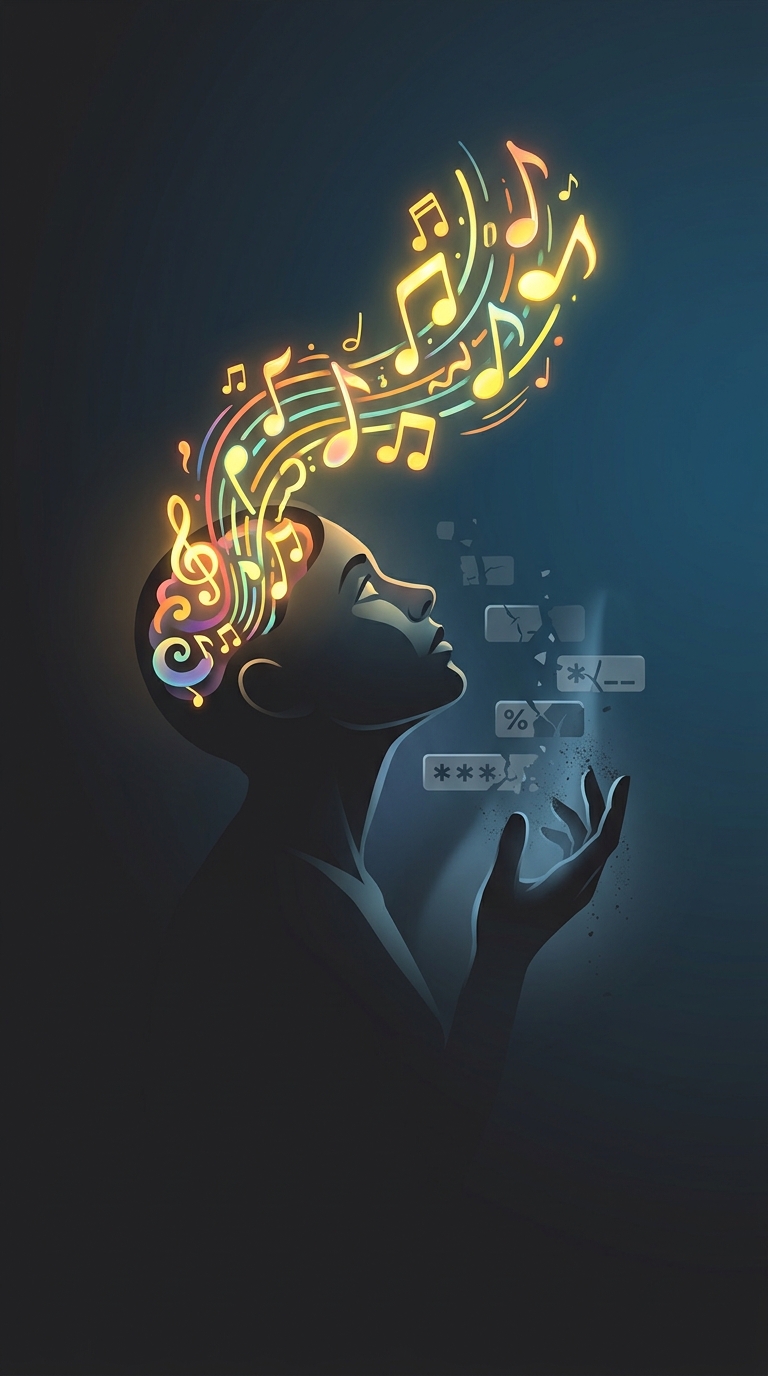
People often use taste to tell a story about who they are. A band discovered before it was widely known can feel like evidence of curiosity, independence, or belonging to a small circle that “gets it.” The songs are enjoyable, but they also carry a social meaning: they help distinguish one listener from the crowd.
That meaning depends partly on contrast. A preference can feel especially personal when it seems unlike what most people around you choose. If the band suddenly appears everywhere, the music has not changed, but the contrast has. The same chorus that once felt like a private discovery may now seem like a shared uniform.
The Crowd Changes the Signal
Psychologists describe part of this as distinctiveness: people care about having identities that feel both connected to others and meaningfully their own. A band can serve both needs. It offers community with other fans while also setting those fans apart from people who have not found the music.
When popularity spreads, the balance shifts. The listener may still enjoy the sound, but the band says less about what makes them distinctive. They may also begin to associate it with a new audience or image that does not fit their own self-picture. This can make the change feel like a loss of personal connection, even when nothing about the recordings has altered.
Why Enjoyment and Attachment Can Diverge
Music taste is not only a judgment about sound. It can be woven into memories, friendships, and a sense of identity. So someone can continue to think a song is catchy while feeling less attached to the band as a marker of who they are. In some cases, the shift may even prompt a search for new artists who restore that feeling of discovery or individuality.
That reaction is not inevitable: many fans welcome a band’s success and enjoy sharing it. But when exclusivity was part of the appeal, popularity can change the relationship without changing a single note. The giveaway is that the music still works—what has stopped working is its role as a badge of being different.