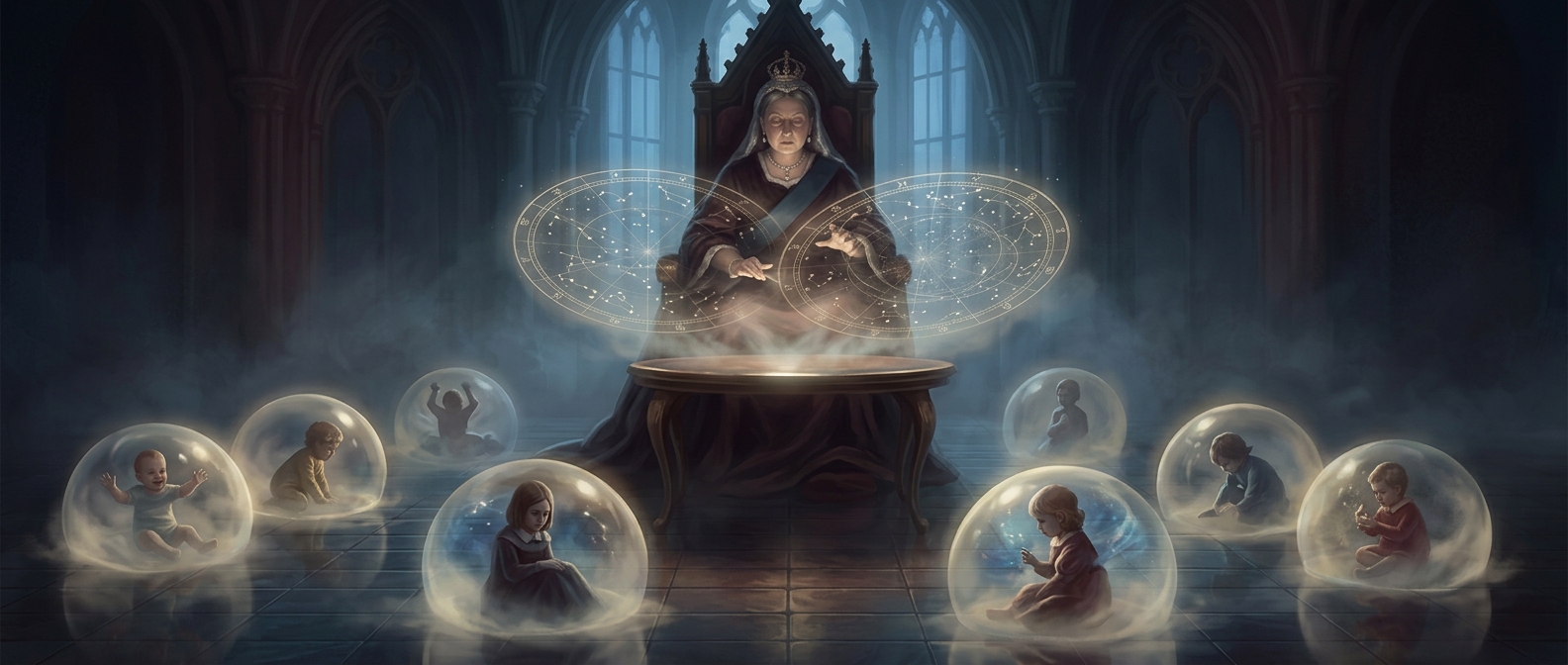
What a royal birth chart was meant to reveal
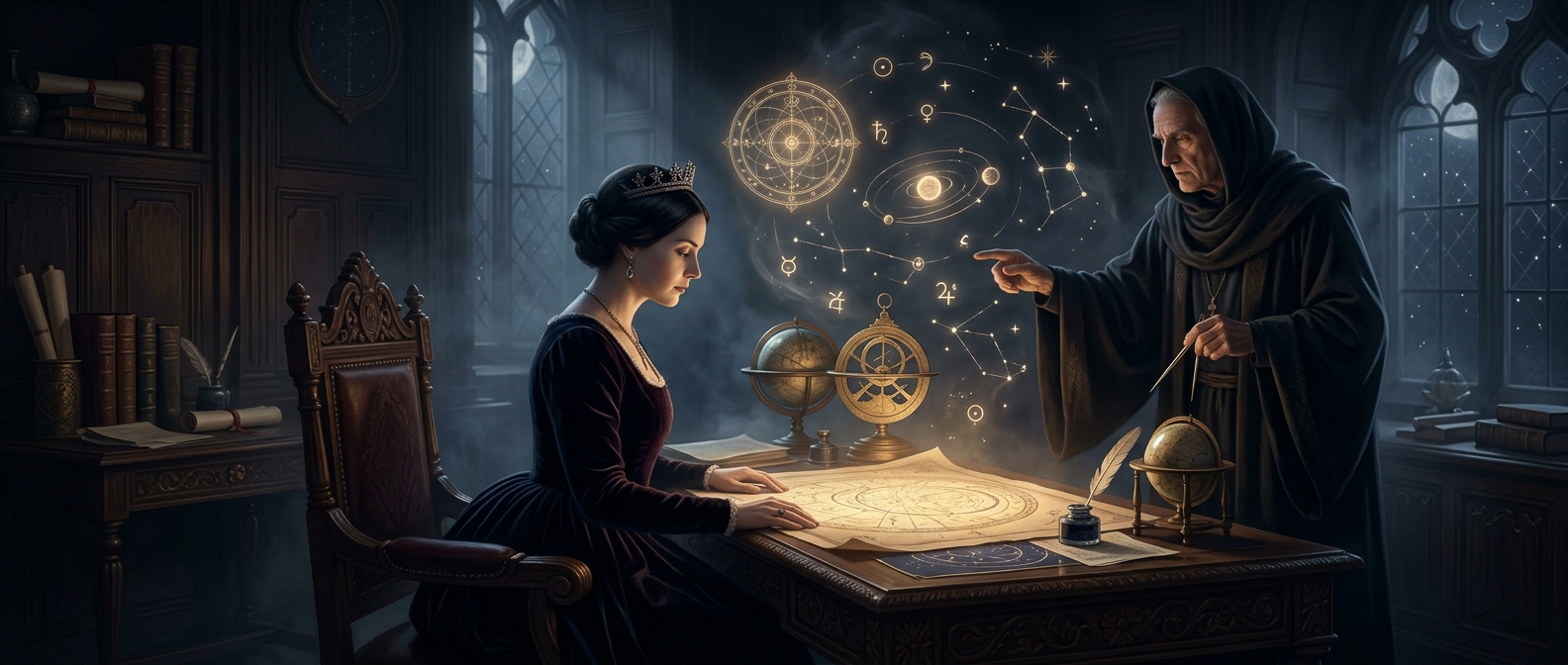
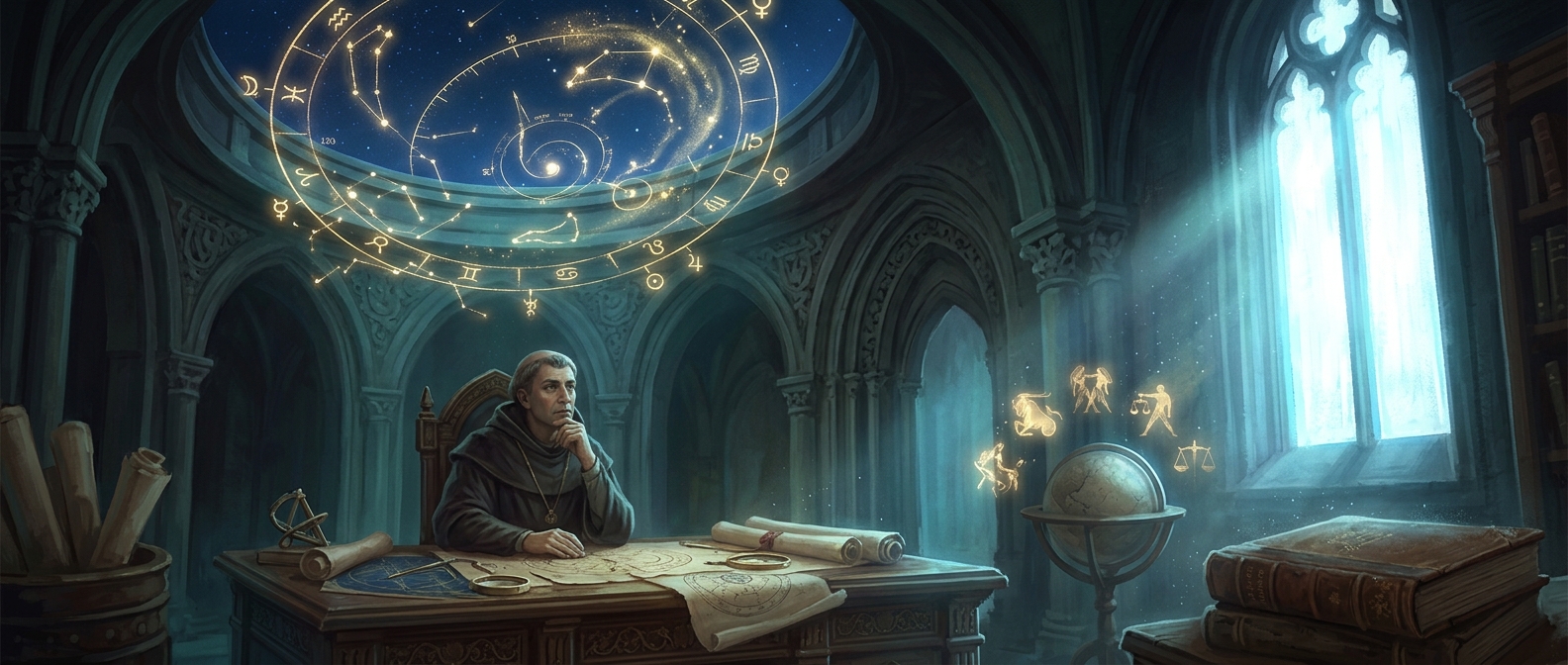
A birth chart, also called a natal chart, maps the positions of the Sun, Moon, and planets at a person’s birth. In astrological tradition, those positions are interpreted as clues to character and temperament. Accounts say Queen Victoria had charts prepared for all nine of her children, using them as a way to consider the personalities they might develop.
The chart was not a political plan in itself. Rather, astrology supplied a language for describing a child as, for example, forceful, cautious, or sociable—traits that could seem relevant when thinking about future duties and relationships.
From family character to royal affairs
For a royal family, a child’s temperament had consequences beyond household life. Victoria’s children grew up within a network of dynastic responsibilities, in which marriages and family ties could carry political significance. A reading that suggested something about a child’s disposition could therefore be applied to questions about how that child might fare in public life or in a future match.
That connection should be understood as interpretation, not a prediction of a specific alliance. Astrology could offer a framework for thinking about possibilities; it could not determine whom a prince or princess would marry, or what political outcome a marriage would produce. The striking detail is how the practice brought private hopes and uncertainties about each child into the same orbit as the family’s public responsibilities.