A tavern game competed with a military skill
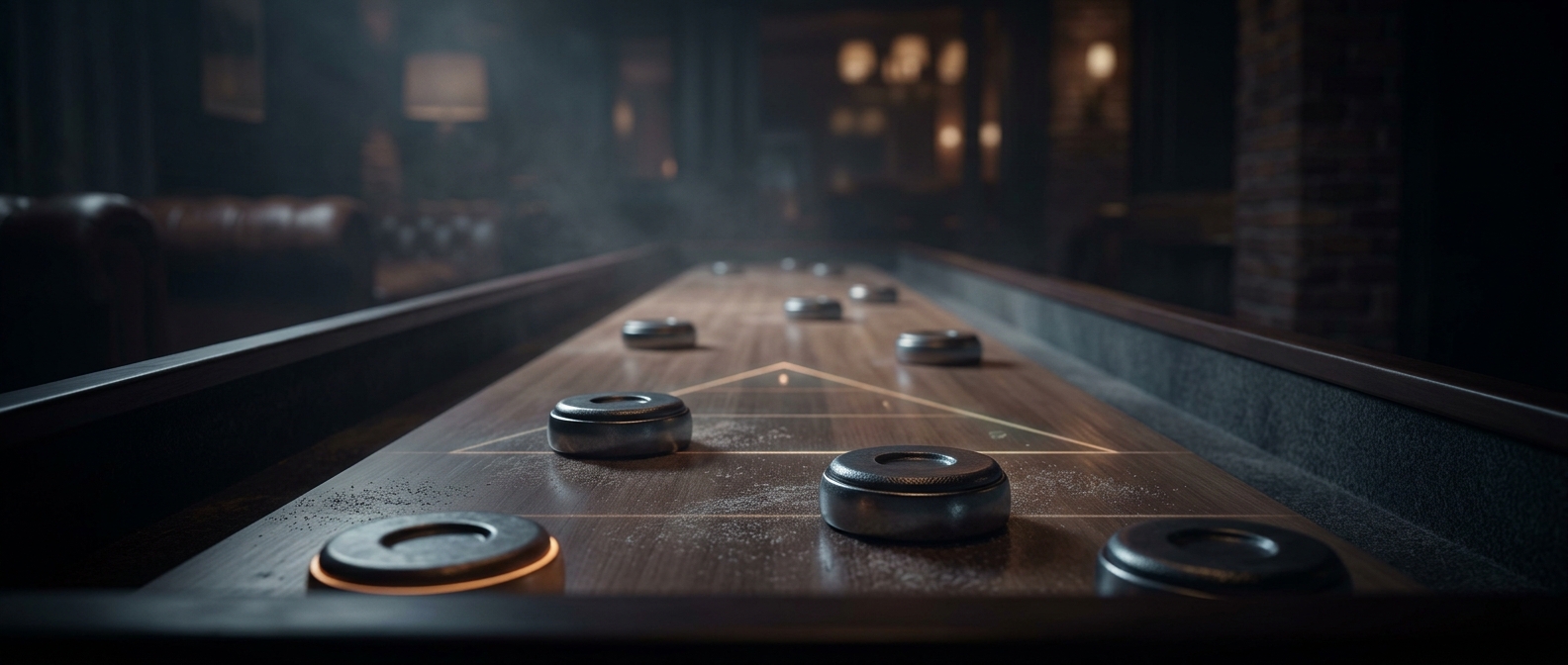
The shuffleboard at issue was an older English game often called shove-groat: players slid a coin or metal disk along a table, trying to land it in a scoring area. Its appeal was simple—practice, wagers, and a lively contest in a tavern. But to the crown, time spent at the table was time not spent practicing archery.
Why archery mattered to the crown
In Tudor England, the bow was not just a sport. It was a practical military weapon, and the crown wanted able-bodied men to remain skilled with it. Laws promoting archery and restricting games treated leisure as a public concern: an activity could be curtailed if officials believed it distracted men from training or encouraged gambling.
That policy helps explain the ban’s logic. The target was not the disk sliding across the table itself; it was the game’s claim on ordinary people’s free time. A ruler seeking a ready pool of trained archers had reason to see popular recreation as a competing use of that time.
A ban shows what the state wanted to regulate
The restriction fits a broader Tudor effort to direct commoners’ recreation toward activities considered useful to the kingdom. It also reveals a tension that would recur in many societies: people chose games for enjoyment, while authorities judged leisure by its contribution to public order and military readiness.
So shuffleboard’s offense was less about its rules than its opportunity cost. Every hour spent sliding a coin was, in the crown’s view, an hour that might have been spent with a bow.