How the Ureters Move Urine
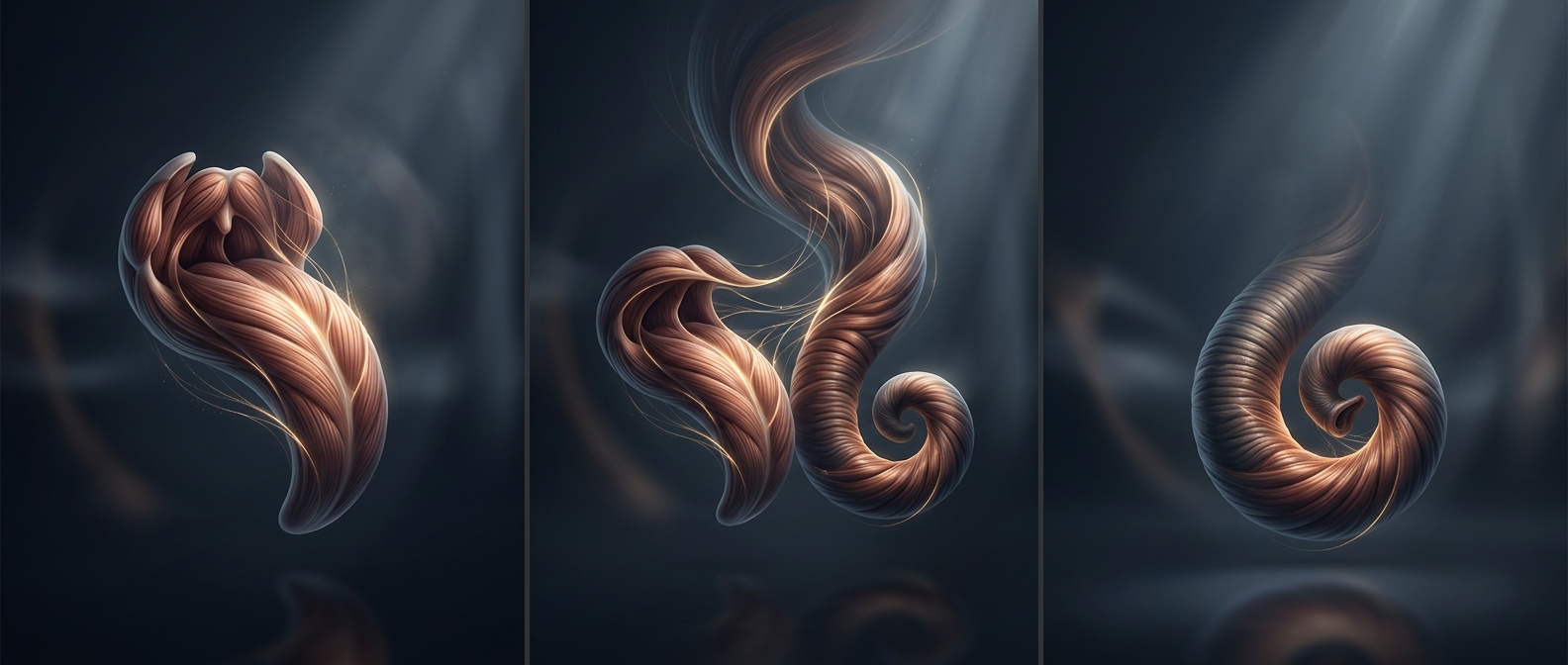
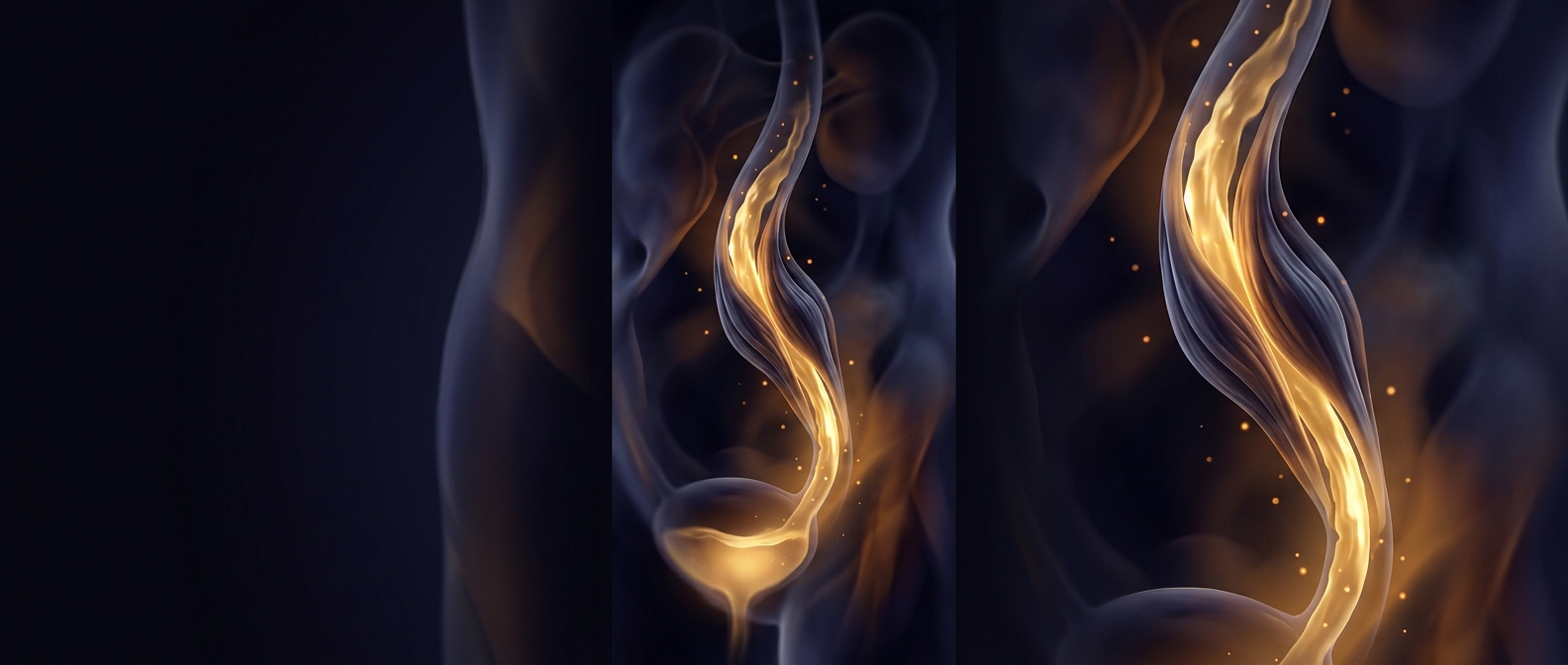
Each kidney drains into a narrow muscular tube called a ureter. Rather than acting as a passive chute, the ureter contracts in coordinated waves: a ring of muscle tightens behind a small amount of urine, pushing it toward the bladder, then relaxes as the next wave follows. This motion is called peristalsis, the same general kind of muscular squeezing that moves food through the digestive tract.
A One-Way Journey, Not a Gravity Drain
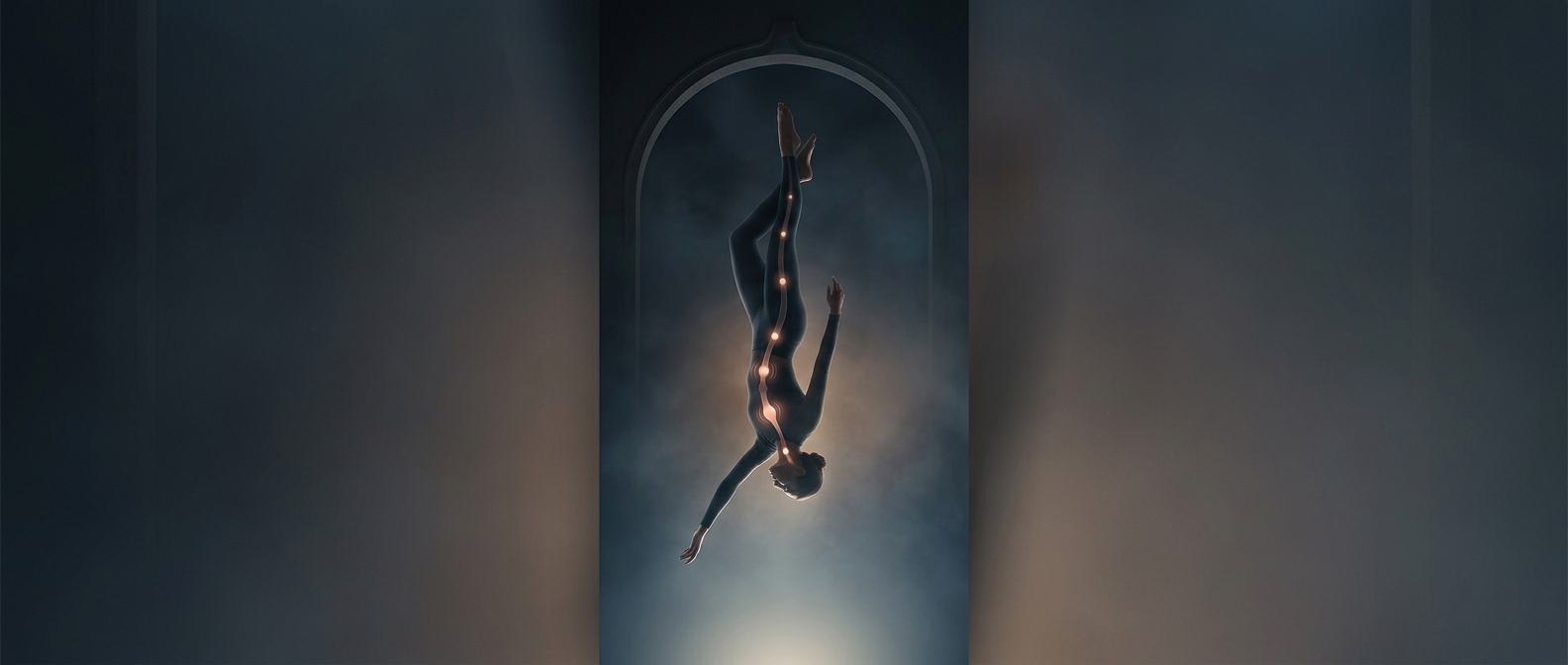
The waves arise in the ureter itself and travel down its length. Because the tube supplies the force, urine can keep moving when someone is lying down or upside down; gravity may affect fluid distribution, but it is not what drives the journey. The bladder also does not need to pull urine out of the kidneys. It receives the small pulses delivered by the ureters and stores them until urination.
At the bladder end, each ureter passes through the bladder wall at an angle. As the bladder fills and its pressure rises, that passage is compressed, helping limit urine from flowing backward toward the kidneys. Together, the ureter’s contractions and this entry arrangement keep urine moving in the intended direction without relying on body position.
The result is a quiet piece of active plumbing: even during a handstand, the kidneys’ output still has a muscular route to the bladder.