Silent films made theater noise a problem
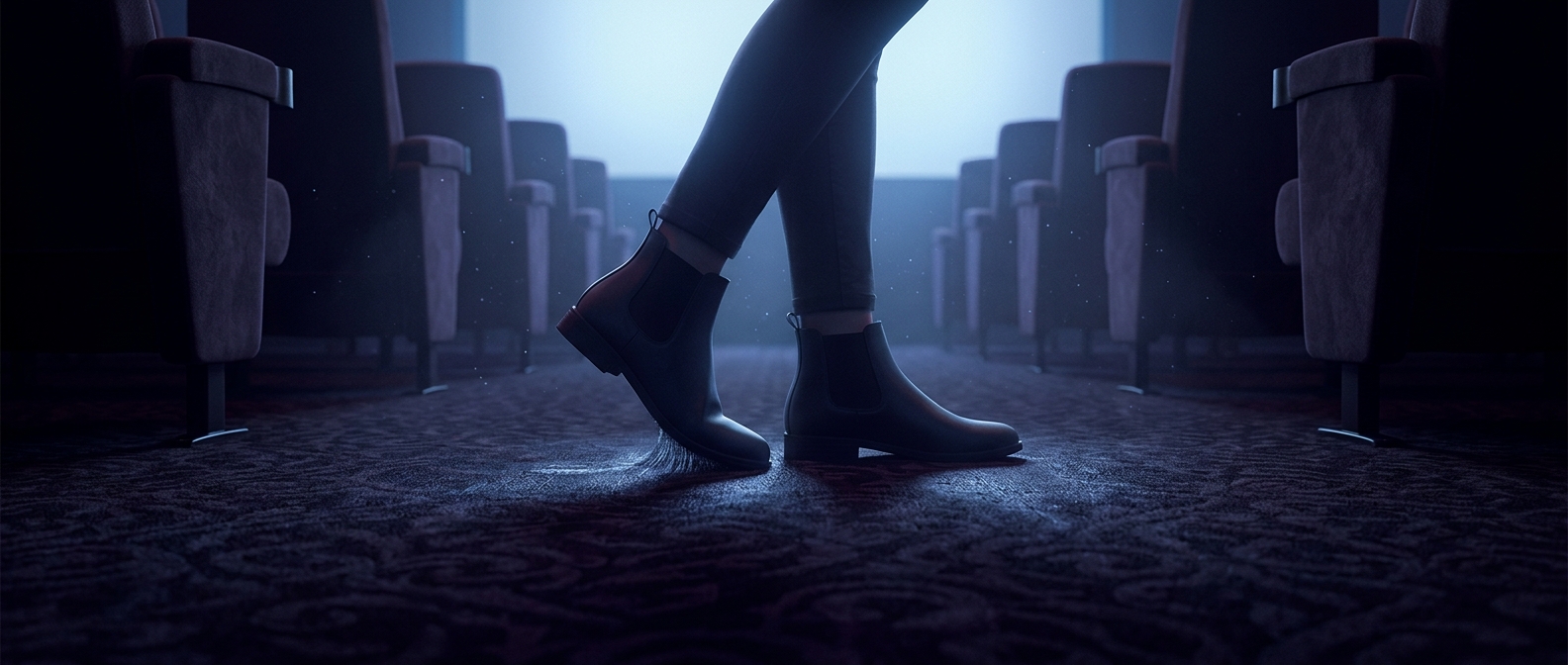
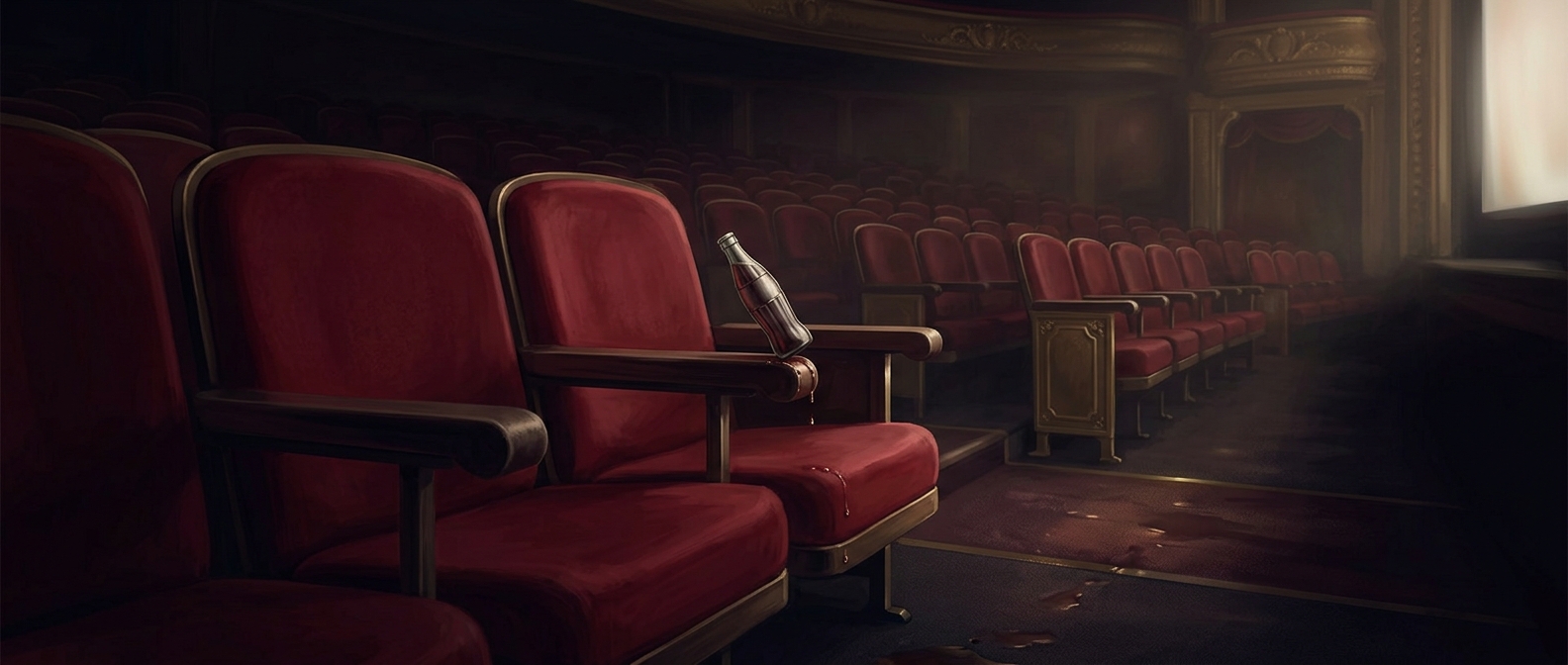
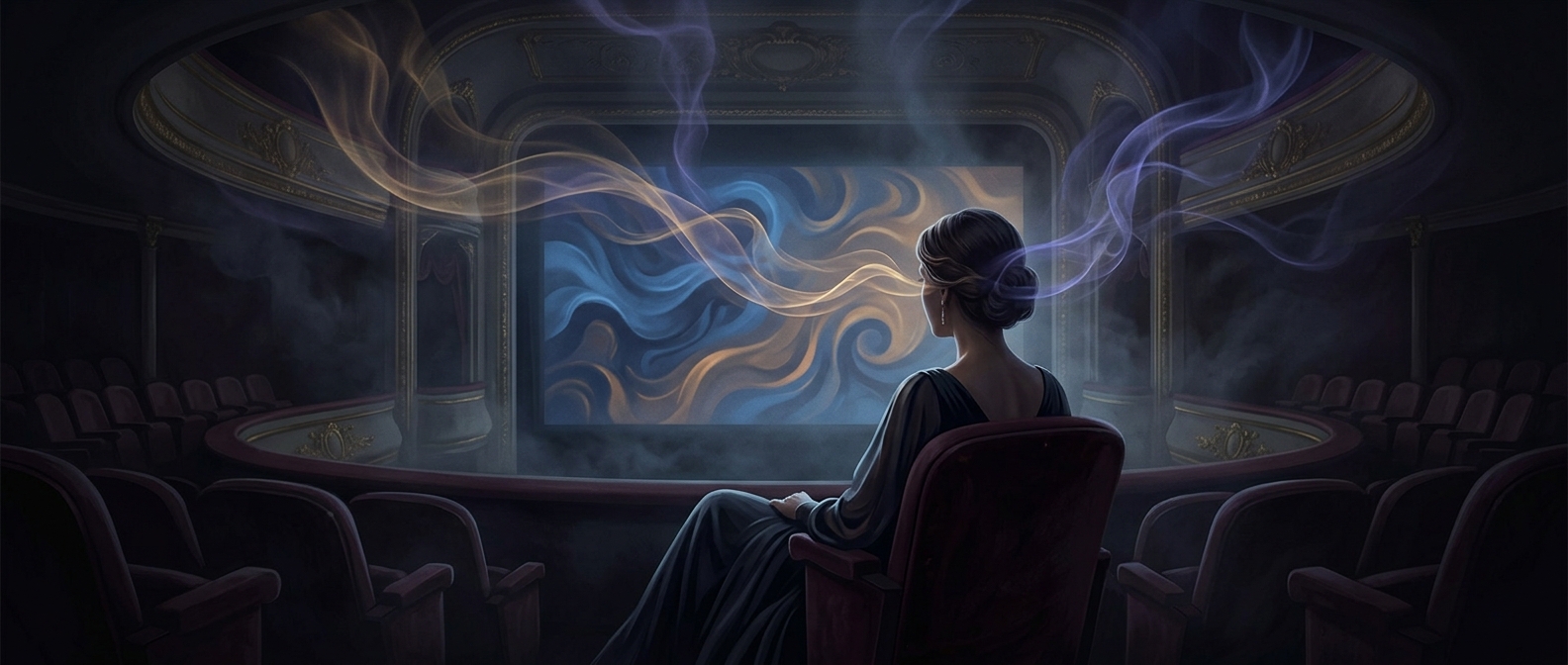
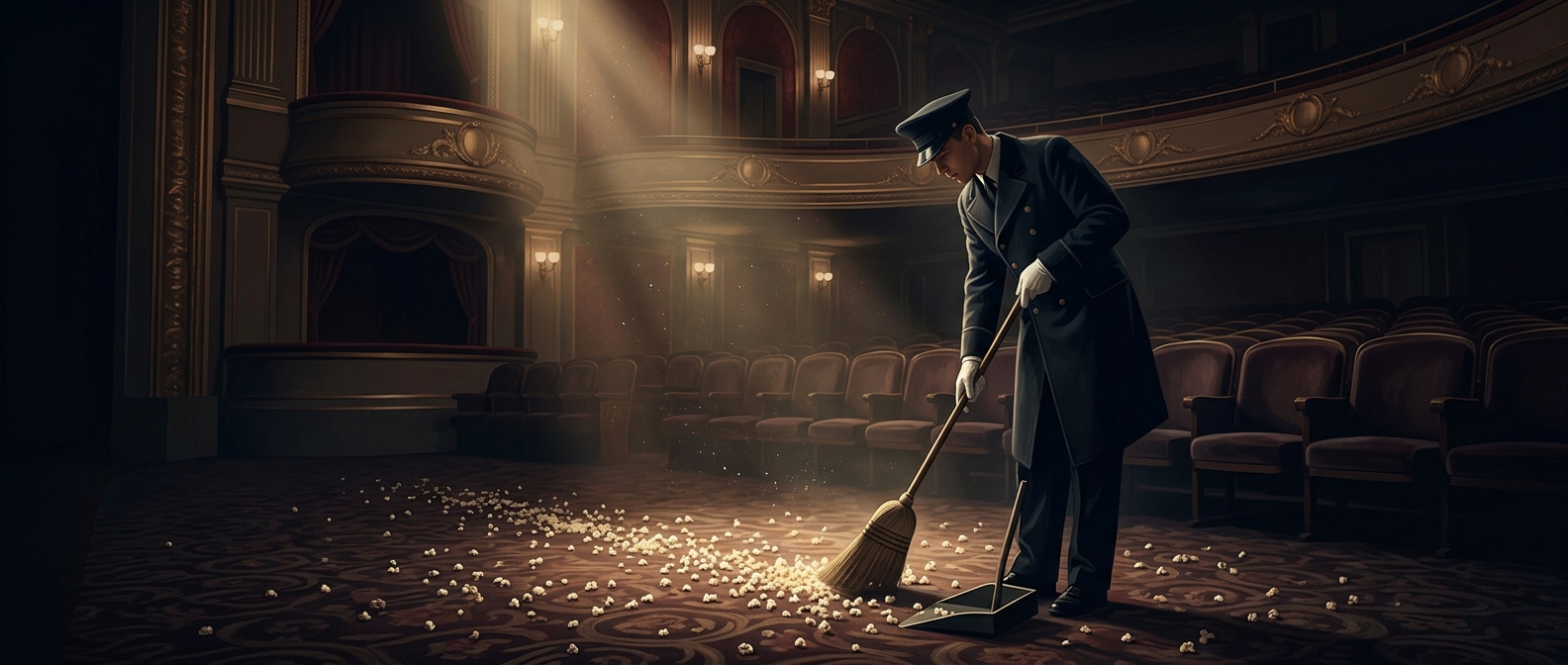
In the early moviegoing era, theaters often tried to resemble formal, carpeted venues rather than casual snack halls. Popcorn was an awkward fit: its sharp crunch could distract audiences during silent films, when there was no dialogue or soundtrack to cover the sound. Kernels and crumbs also threatened the carpets that helped give these theaters a polished appearance.
The Depression changed the economics
That attitude shifted when the Great Depression put pressure on theater revenues. Popcorn was inexpensive to make and cheap enough for cash-strapped customers to buy. Selling it gave theaters a way to earn money beyond ticket sales, while offering patrons an affordable treat.
The snack also suited the setting better than its earlier reputation suggested. Unlike a full meal, popcorn could be prepared and sold quickly, and its smell and visibility helped attract buyers in the lobby. Theaters that had once treated it as a nuisance found that it could help keep their businesses afloat.
A change in what a theater was for
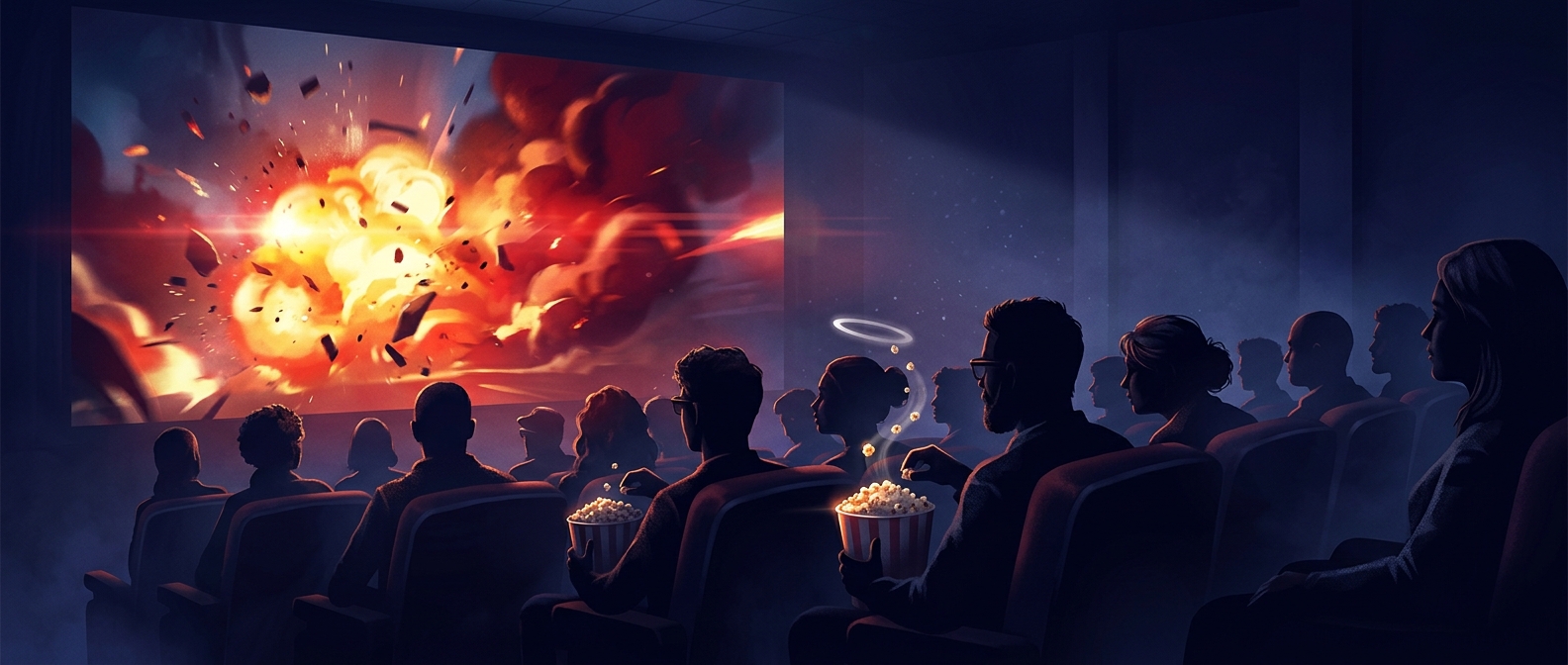
The shift was more than a new concession stand. It marked a move away from the idea of the movie theater as a quiet, carpet-protecting formal space and toward a more commercial, relaxed experience. Popcorn’s place in moviegoing grew from that practical bargain: theaters gained a low-cost source of income, and audiences got a snack they could afford.