How a Kernel Becomes a Butterfly
A popcorn kernel is a small pressure vessel. Heat turns the water inside it to steam, building pressure beneath the hard outer hull. When the hull ruptures, the softened starch rushes outward and cools into a porous white puff. Small differences in the kernel and in how that pressure releases affect the puff’s final shape.
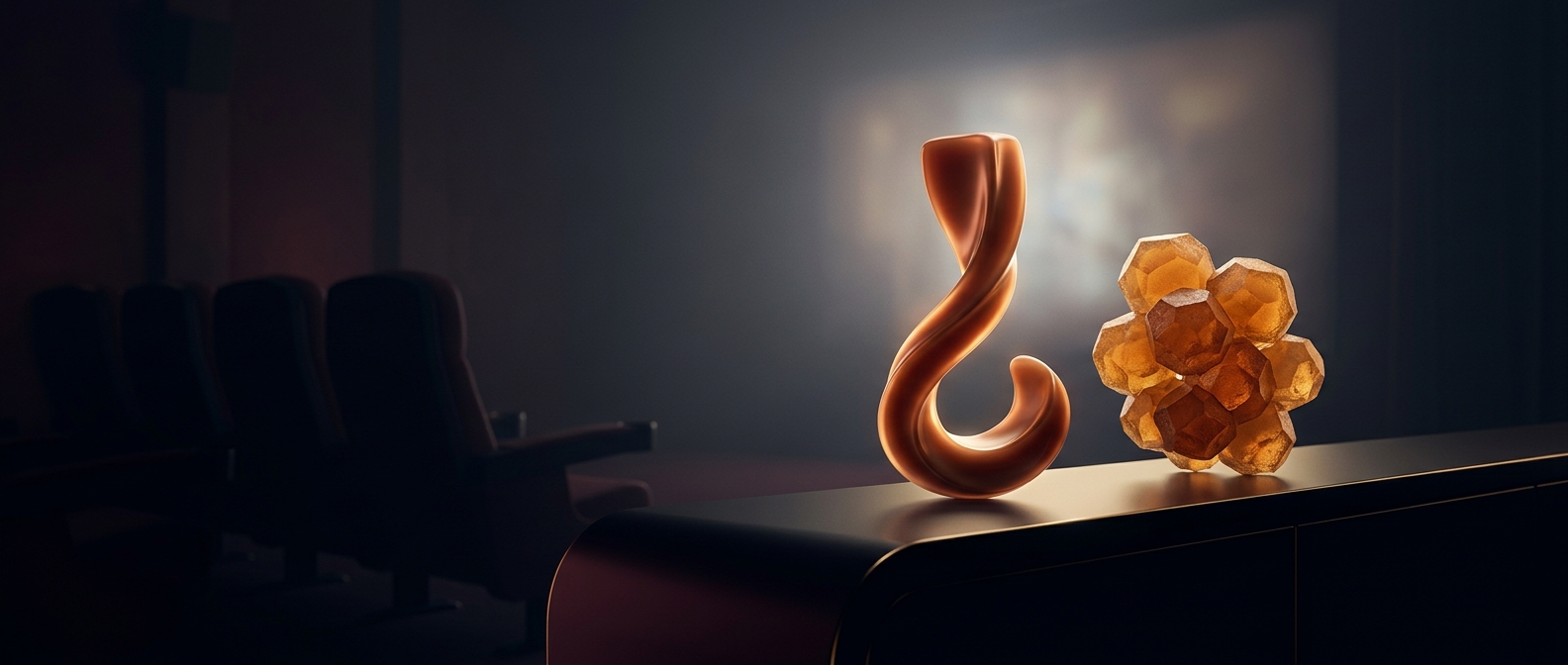
Popcorn varieties can be selected for the kind of flake they tend to produce. Butterfly popcorn grows irregular, winglike projections; mushroom popcorn forms a more compact, rounded puff. These are not shapes stamped into the kernels—the difference emerges during popping.
Why Shape Matters in a Theater
Butterfly flakes spread out, so a given amount of popped corn occupies more apparent volume than a similarly filled mass of compact flakes. That helps a carton look generous. Their projecting “wings” also create plenty of edges for salt and other seasonings to cling to, though the delicate flakes can break more easily during handling.
Mushroom popcorn has a practical advantage when the corn needs to stay intact under a coating: its rounded shape is sturdier and more evenly covered. For a theater serving plain or lightly seasoned popcorn, the airy butterfly flake suits the familiar overflowing-carton look. The fullness comes from the geometry of the popped flakes, not from adding more kernels.