The Familiarity That Makes a Remake Easier to Sell
A known title, character, or fictional world gives a new film an immediate point of recognition. Viewers do not need to learn what the property is before deciding whether they might watch, and studios can build a campaign around memories audiences already have. That familiarity can make a remake an appealing bet—but it also shapes what the new version is expected to deliver.
The more a project depends on recognition, the more pressure there is to keep the recognizable parts intact. A radically different story might be more original, but it risks disappointing viewers who came for the characters or moments they remember. So a remake can end up changing the presentation—new visuals, faster pacing, contemporary details—while keeping the underlying story reassuringly close.
When Polish Stands In for a New Idea
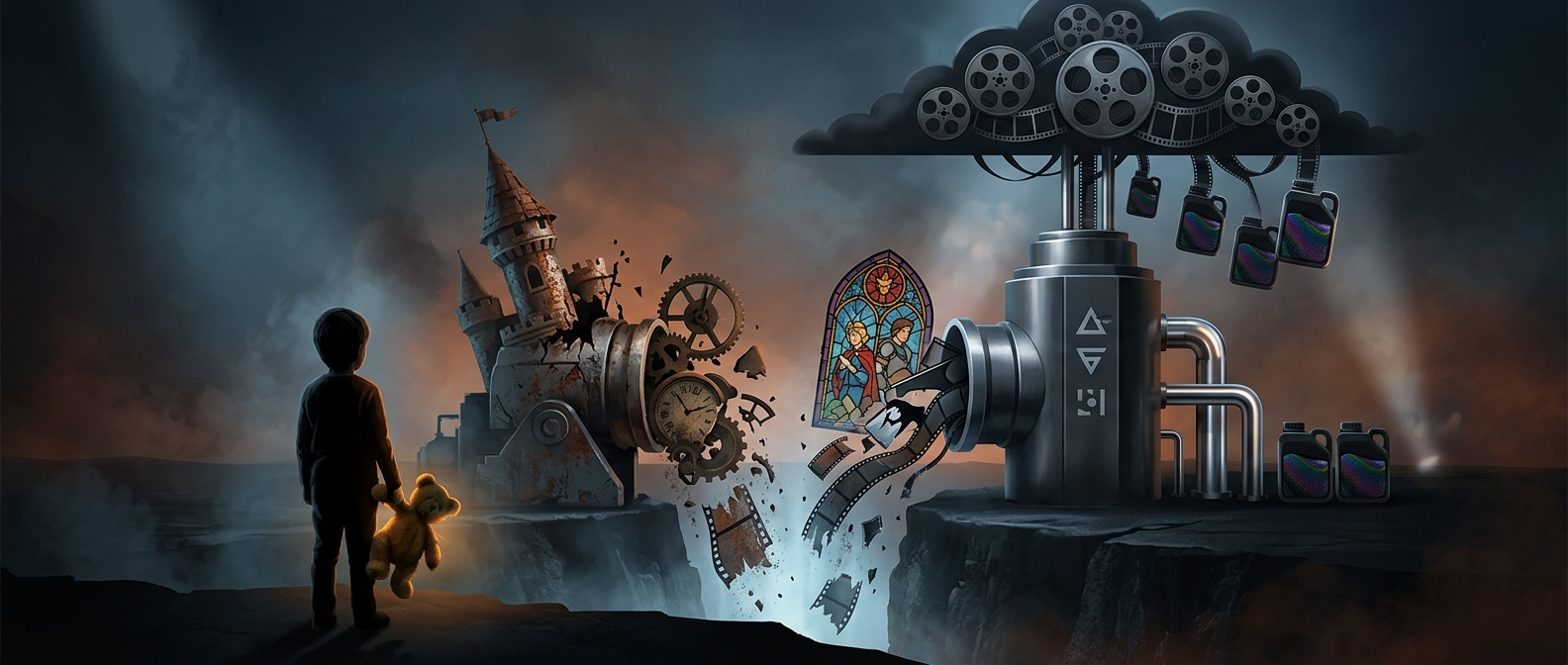
That creates a creative trap. A production can make a familiar scene look more spectacular without giving it a new purpose. If the main novelty is sharper effects or updated production design, the film may feel different at a glance but unchanged in what it says or how its characters behave.
This is not inevitable: a familiar premise can also give filmmakers room to reinterpret a story, shift its point of view, or explore what the original left untouched. The difference is whether the old material is a starting point or a checklist. When recognition becomes the chief promise, fidelity can crowd out invention.
The Franchise-Upkeep Effect
For audiences, that can make a remake feel less like a new story than a way to keep a property visible and usable for another generation. The tell is not simply that familiar characters return; it is that the film’s changes seem designed mainly to refresh the package, while its safest choices preserve the original’s most marketable shape.