Why a cartoon feature looked like a dangerous bet
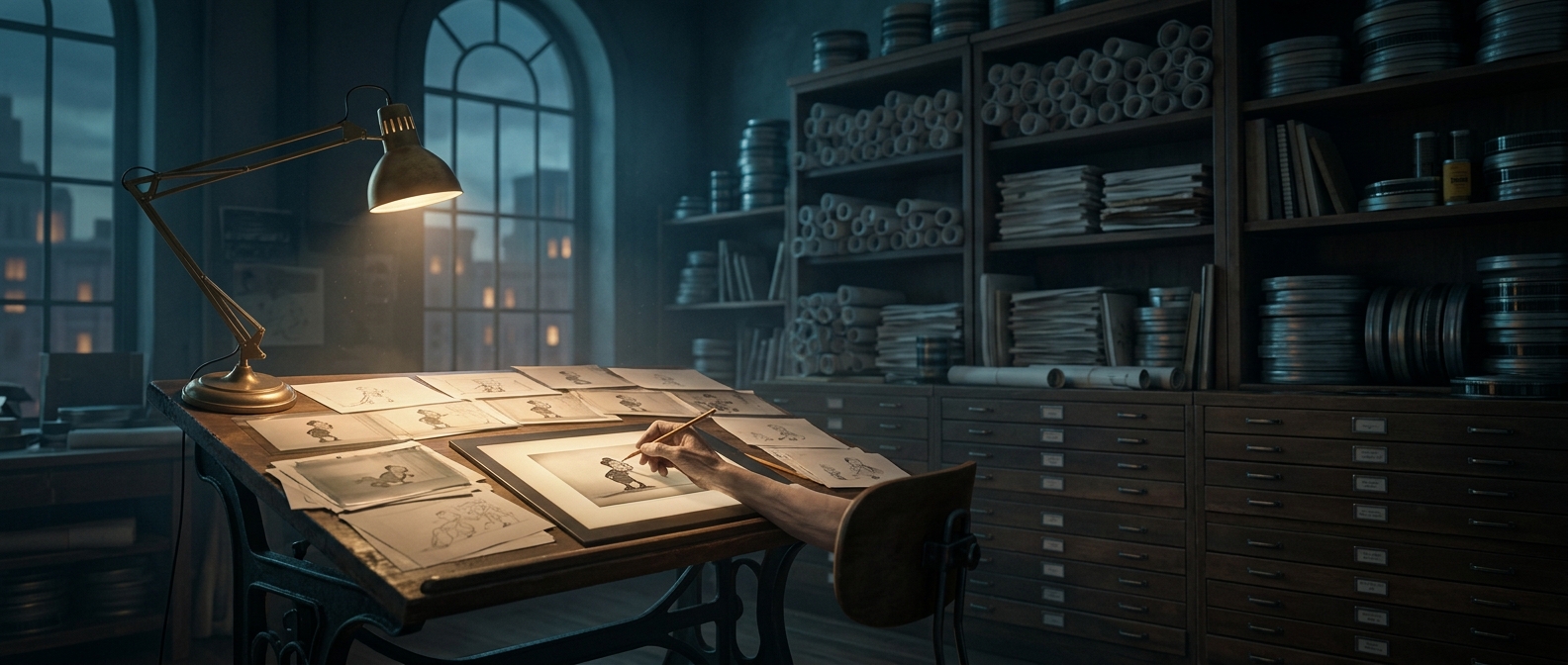
In the 1930s, animated films were familiar as short subjects shown before the main feature. A full-length cartoon was a different proposition: it demanded years of work and far more money before a theater could sell a single ticket. No American studio had yet shown that audiences would stay engaged with animation for an entire evening.
Disney’s gamble was not simply to make more drawings. The team had to sustain a story across many scenes, make its characters expressive enough to carry emotional turns, and coordinate animation with music, dialogue, and backgrounds. Every additional stretch of production increased the amount of money tied up in a film whose commercial appeal remained unproven.
How the house became part of the production
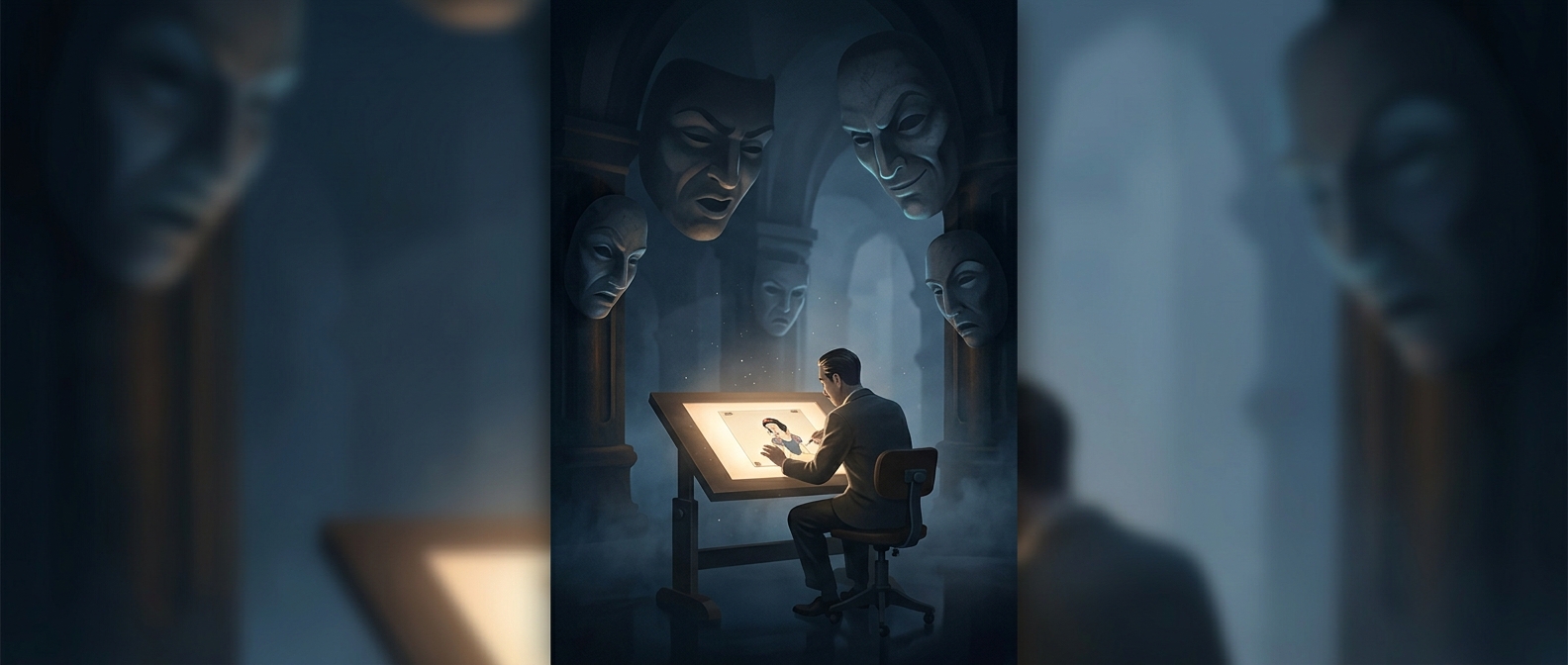
A mortgage turns a home into collateral: the lender can claim it if the borrower cannot repay. For Disney, putting his house behind the project made the risk personal and helped secure financing to keep production going. It also illustrates the bind the studio faced. Stopping would leave years of work unfinished; continuing meant committing still more resources to a format the industry doubted.
The film’s scale also made delay costly. A feature needed its story and scenes to work together, not merely a string of amusing moments. The production therefore had to solve creative problems while its expenses continued—a long commitment that could not be made safe by knowing that short cartoons had succeeded.
What success changed
When Snow White and the Seven Dwarfs became a hit, it demonstrated that animated storytelling could support a feature-length theatrical release. Its success gave Disney’s studio room to grow and pursue more ambitious projects. The house had secured a loan, but the larger consequence was a new kind of proof: animation could hold an audience for a whole film, not just a brief turn before one.