A castle’s night watch included its candles
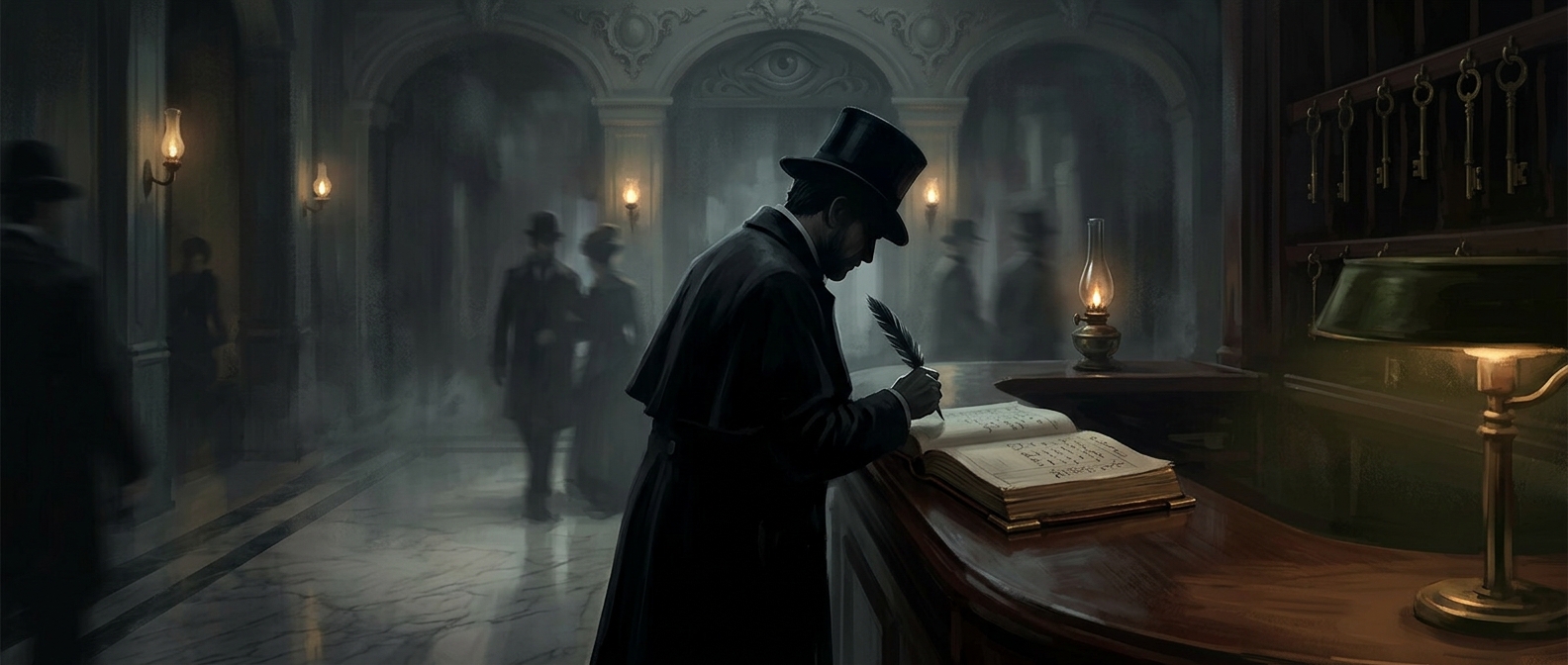
Before electric light, keeping a castle usable after dark meant tending open flames. The medieval servant described by the word concierge had the practical task of keeping candles burning through the night. That meant more than lighting them once: someone had to notice when a flame failed and attend to the candles as the hours passed.
Light was part of keeping the household running
A dark passage or room was difficult to use, so steady candlelight helped people move through the castle and carry out nighttime duties. But candles were not a set-and-forget solution. They could burn down or go out, and an unattended flame also posed a fire risk in a building full of combustible materials. The concierge’s work joined convenience with vigilance: preserve useful light while keeping watch over it.
From castle service to a familiar word
The old role belongs to a world in which maintaining a large household required many specialized tasks. Today, a hotel concierge is associated with helping guests, not tending flames. The connection is a reminder that the word’s earlier setting was intensely practical: before a servant could help anyone find their way through a castle at night, the candles had to keep burning.