Why a Toilet Flush Became a Storytelling Detail
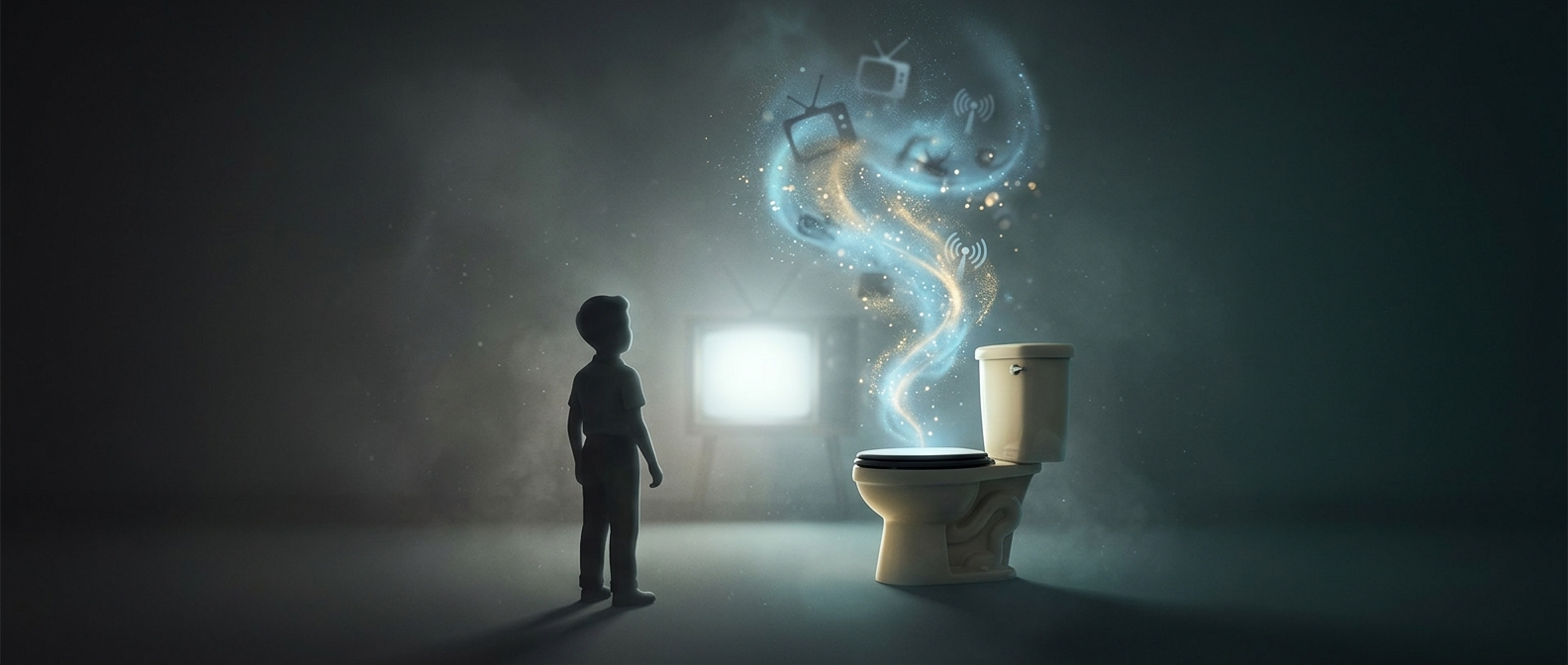
In Psycho, the flush is more than an everyday sound. Marion Crane tears up a piece of paper bearing her calculations and sends it down the motel-room toilet. The action makes her attempt to erase evidence visible: the paper disappears, but the audience has seen what she is trying to get rid of. Hitchcock’s insistence on showing the flush kept that small but legible step in the story intact.
Making the Ordinary Screen-Worthy
American films of the period generally avoided showing toilets in use, treating them as too mundane or indecorous for the screen. A flushing toilet crossed that boundary by bringing an unglamorous, private act into a mainstream feature. The moment is brief, but its plainness matters: this is not a grand gesture or a cinematic symbol imposed from outside the scene. It is a practical action in a rented room, tied directly to Marion’s efforts to conceal what she has done.
That choice also sharpens the film’s tension. Flushing paper looks like a clean solution, yet the audience knows the act cannot undo the decision that made the paper incriminating. The toilet’s ordinary function becomes part of the suspense: even an attempt to make evidence vanish can leave viewers wondering what, if anything, might remain.