From Wall Covering to Protective Packaging
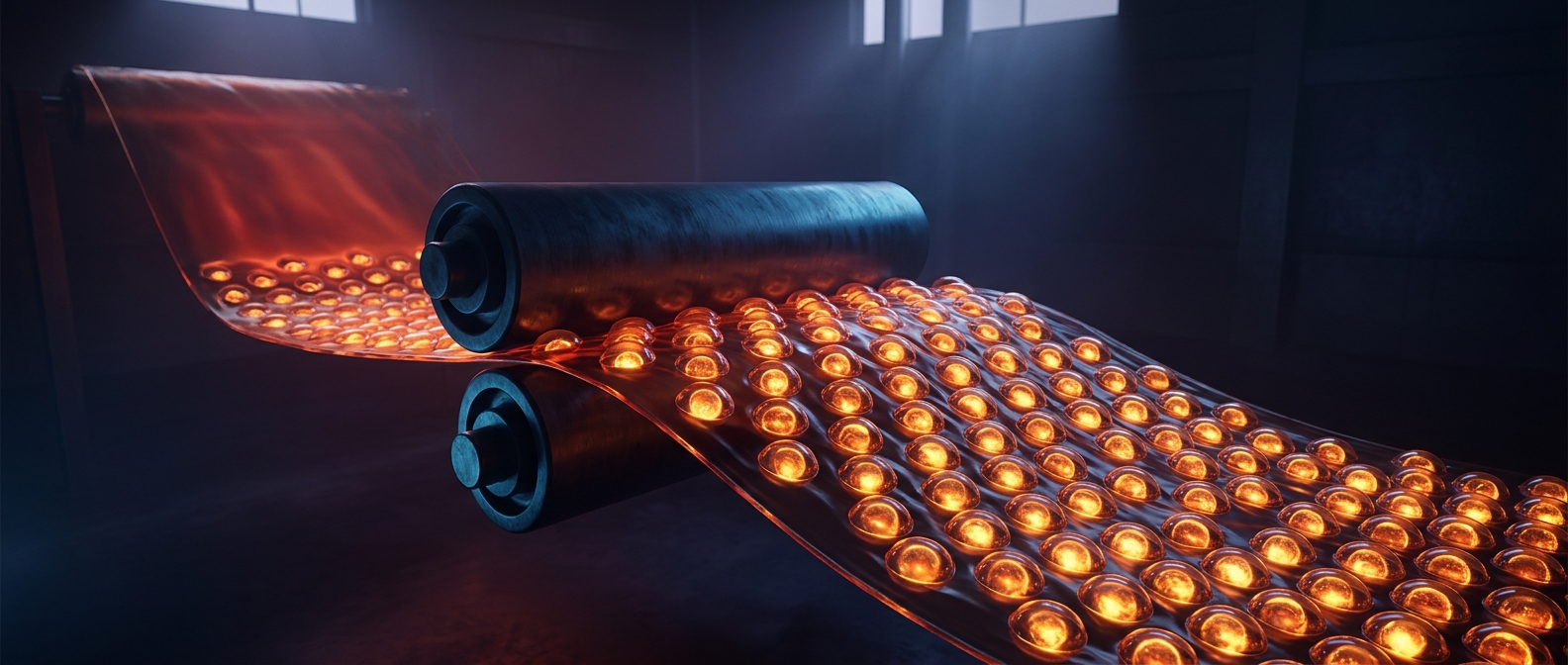
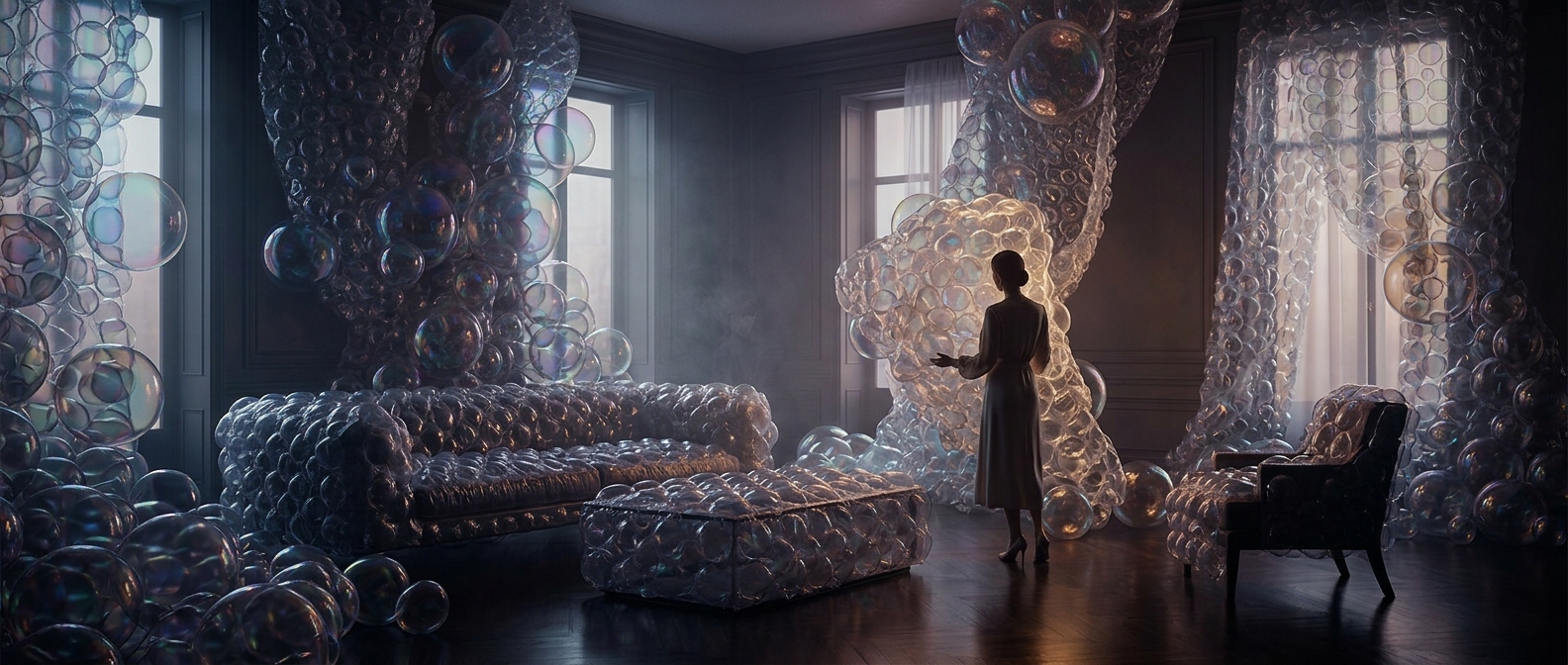
Bubble Wrap began as an attempt to make a new kind of wallpaper. Its inventors sealed two sheets of plastic together in a way that trapped regularly spaced pockets of air, creating a raised, cushiony surface. The result looked futuristic, but as a wall covering it had an obvious drawback: a room full of plastic bubbles was a hard sell to homeowners.
The Bubbles Had Another Job
Those air pockets turned out to be useful for a different reason. When a wrapped object is bumped, the bubbles compress, giving the impact somewhere to go before it reaches the object. They also keep items from knocking directly against one another. The same texture that made the wallpaper unusual could therefore help protect fragile goods in transit.
That shift changed the product’s purpose without changing its basic construction. Instead of decorating a wall, the plastic sheet became a flexible layer that could be wrapped around objects of different shapes. Its trapped air made it light and easy to handle, while the connected bubbles kept the cushioning in place.
A New Use for an Unwanted Design
The story is a reminder that an invention’s first intended market does not always reveal what its materials can do. Bubble Wrap succeeded when people stopped asking whether it would look good on a wall and started asking what its springy pockets could protect. A failed decorating idea became familiar wherever fragile things need a buffer between themselves and the hard surfaces around them.