The human engine at the front of the carriage
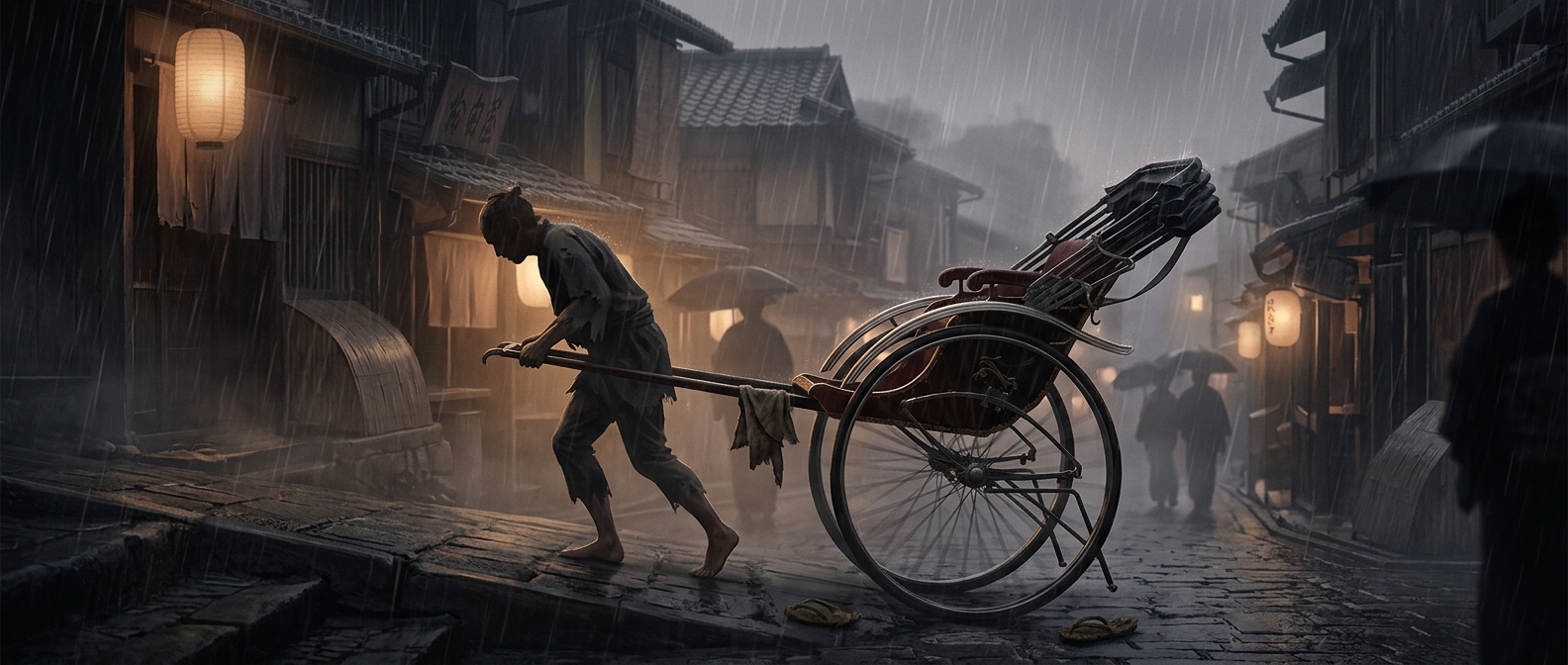
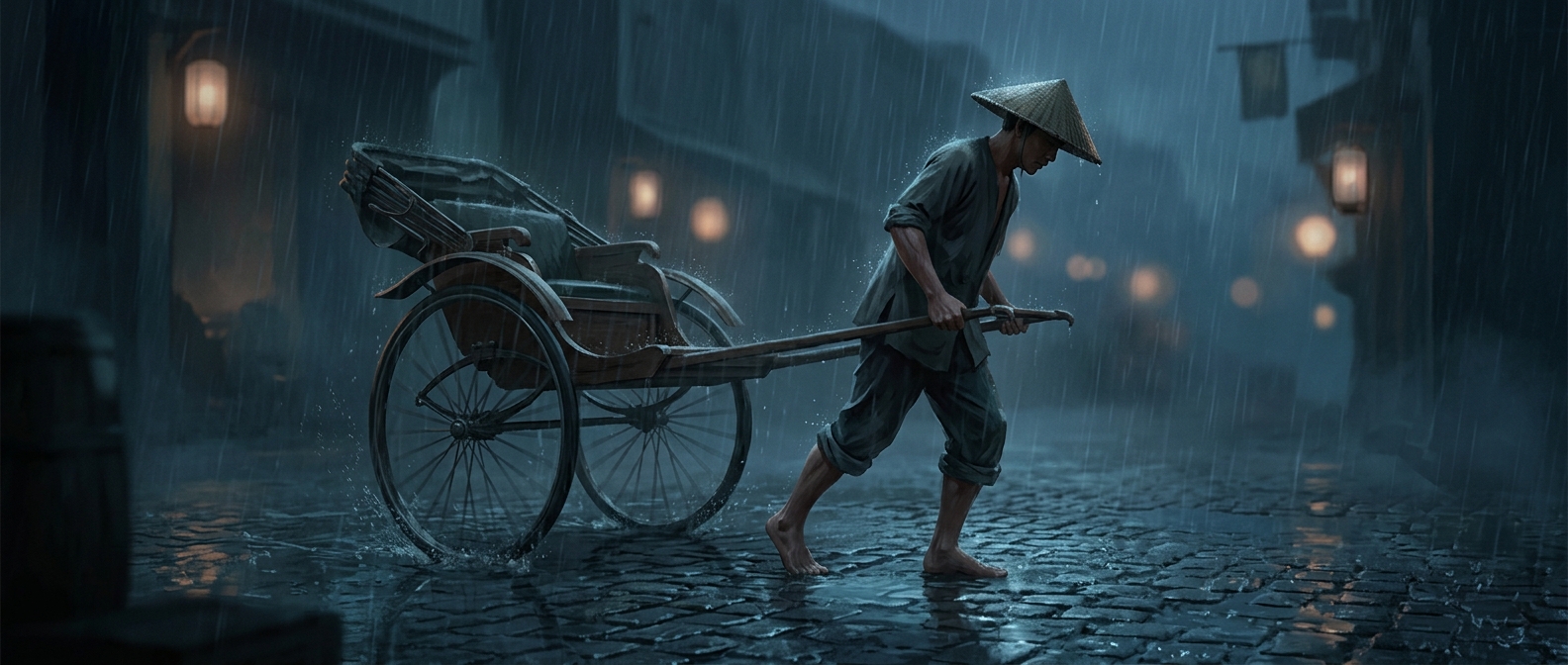
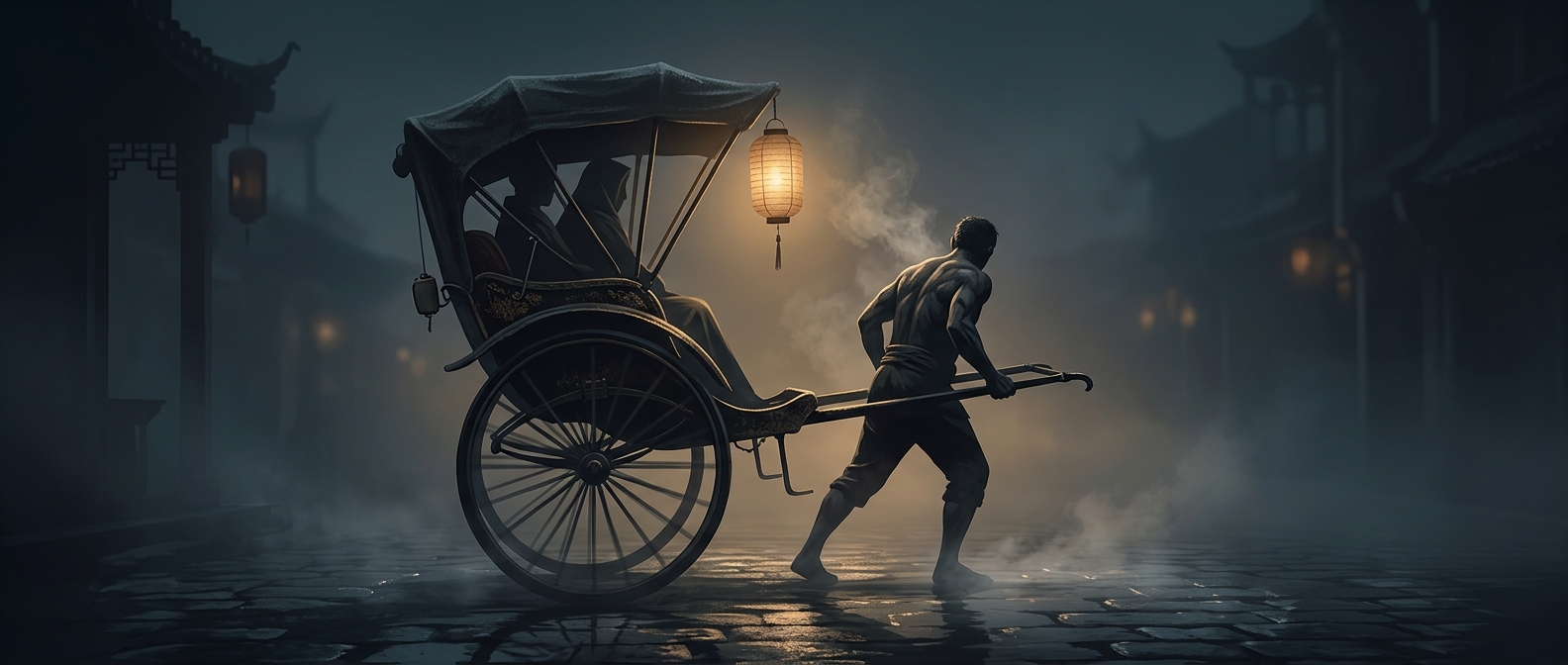
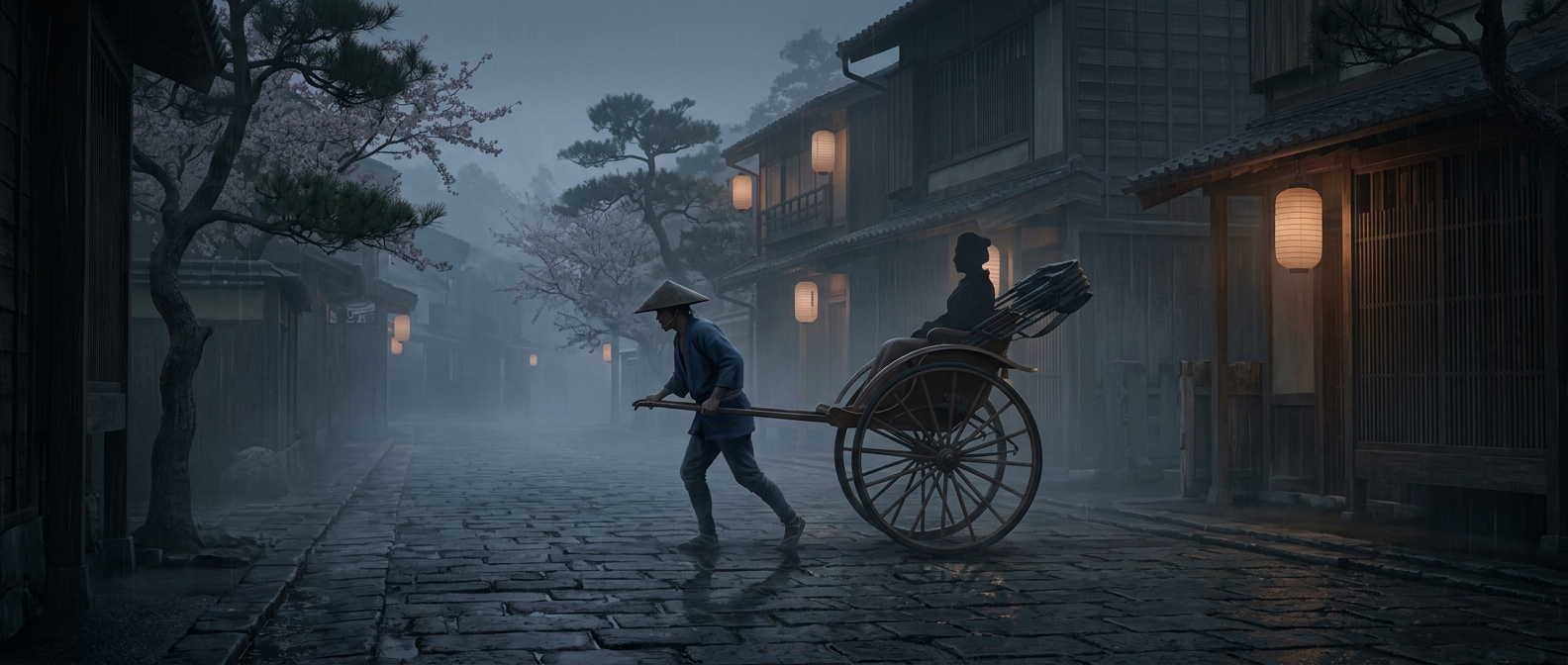
A rickshaw is a light, wheeled passenger vehicle pulled by a person using shafts attached to its frame. The wheels support the passenger’s weight, but the puller supplies the force that moves the vehicle. To its critics, that arrangement made the human labor impossible to overlook: a person was visibly doing work that a horse might do in a conventional carriage.
A dispute about dignity, not just transport
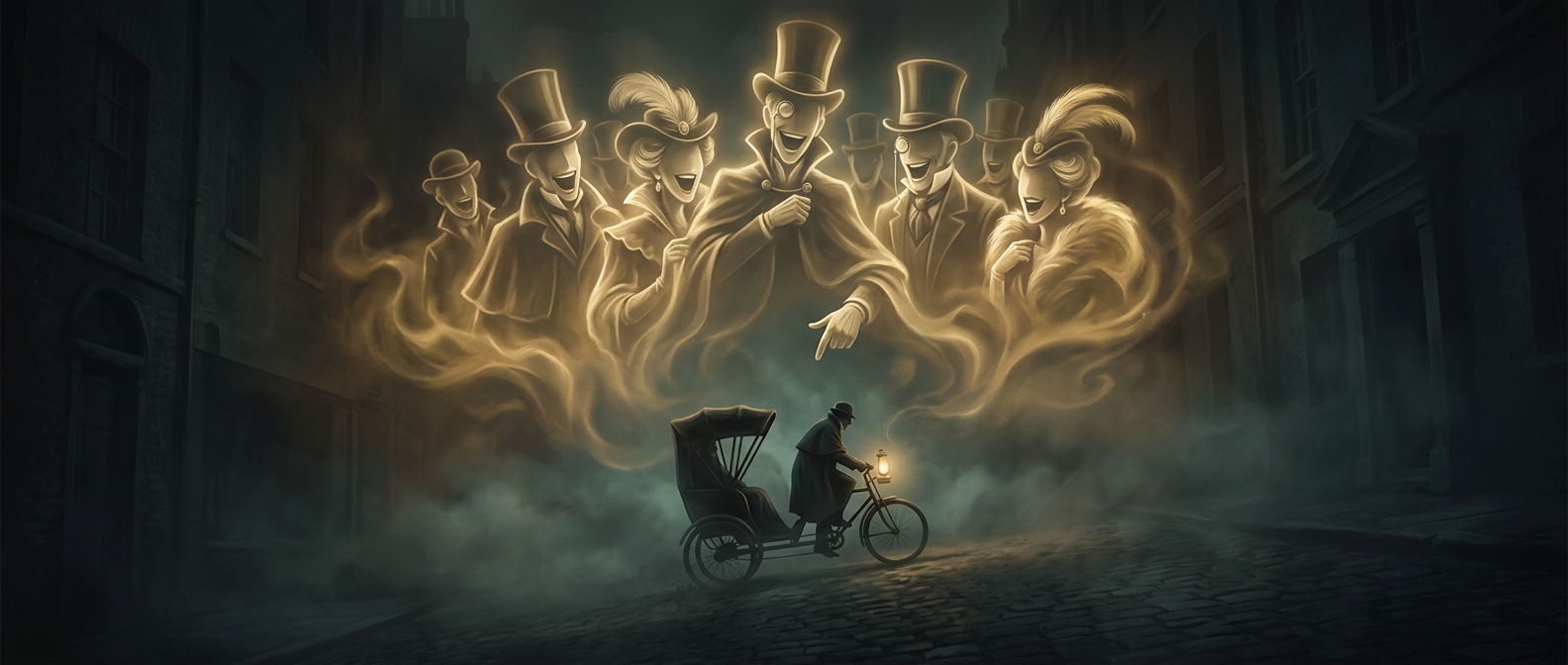
London aristocrats mocked the practice as reducing people to “beasts of burden”—a phrase that treated the puller’s role as degrading. The objection turned a practical question about how to move passengers into a judgment about what kinds of labor were fit for a human being. It also exposed a tension in the era’s transport habits: animal-powered carriages could seem ordinary, while a person harnessing their own strength to pull another person prompted a sharper moral reaction.
The rickshaw’s striking feature was therefore not simply that it moved without a horse. It made the worker’s effort, and the unequal relationship between puller and passenger, part of the ride’s visible design.