A movie’s first copies were physical cargo
Before digital delivery, a theater needed a physical film print: long strips of celluloid wound onto reels and packed into metal canisters. A major release might require prints to be shipped to many cinemas, often before opening day so projectionists could check and prepare them. That created a vulnerable interval: the movie existed in a portable form outside the studio, and each print had to pass through a chain of people and transport stops.
Security followed the print
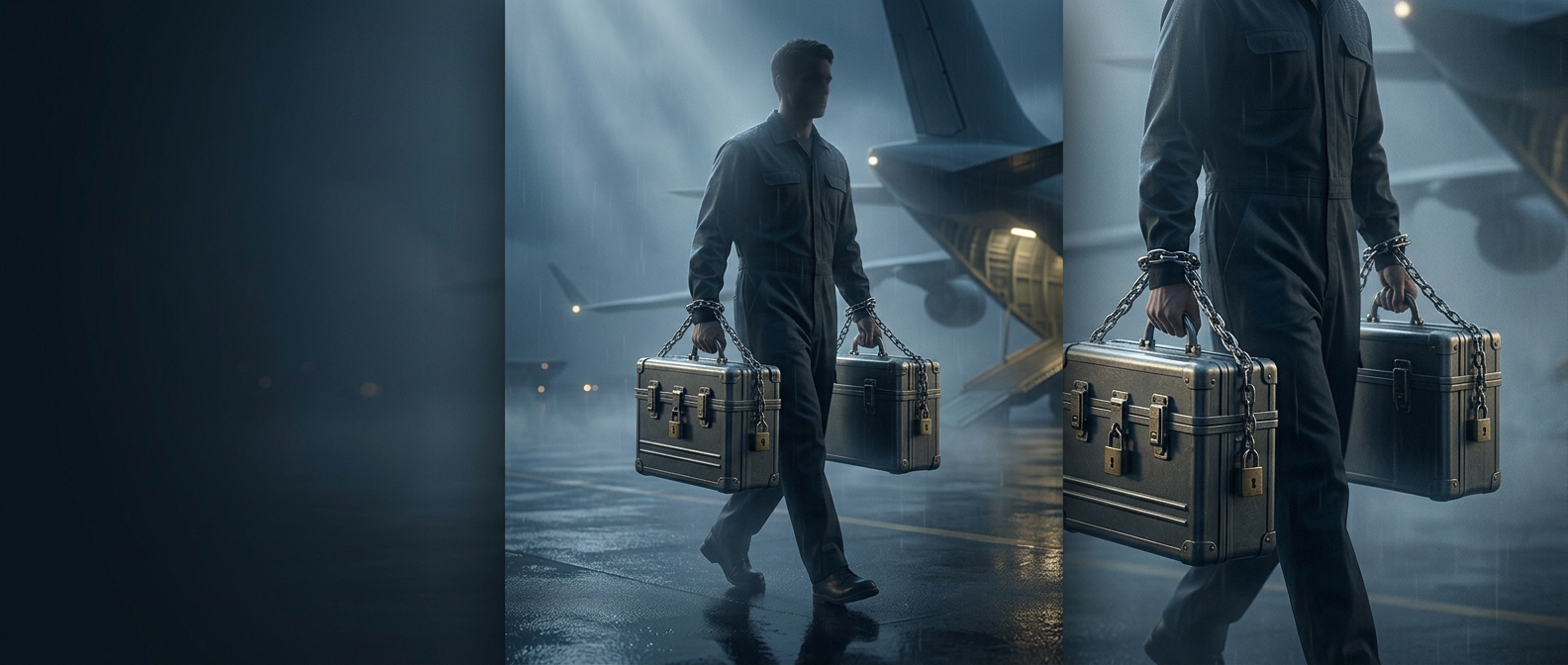
A stolen or secretly copied print could expose a film before its planned release. Preventing that was not as simple as guarding a single master copy; studios had to protect the traveling versions as well. Armed couriers and restraints on canisters made the shipment harder to seize or abandon, while signaling that the cargo was valuable and tightly controlled.
The threat was not limited to someone carrying a reel away. Once a print reached a theater, an unauthorized recording could also be made during a screening, though the picture and sound would be much worse than a clean copy. Physical security therefore addressed one part of a broader problem: controlling who could access the film, and when.
Release dates depended on logistics
A worldwide opening meant coordinating the movement and handling of many prints across different locations. The security measures reveal the tradeoff built into film distribution: theaters needed copies early enough to prepare, but every extra day in transit or storage created another opportunity for a leak. In the pre-digital era, protecting a movie could mean protecting the reels themselves, one shipment at a time.