A Small Set of Actions, Many Ways to Cause Trouble
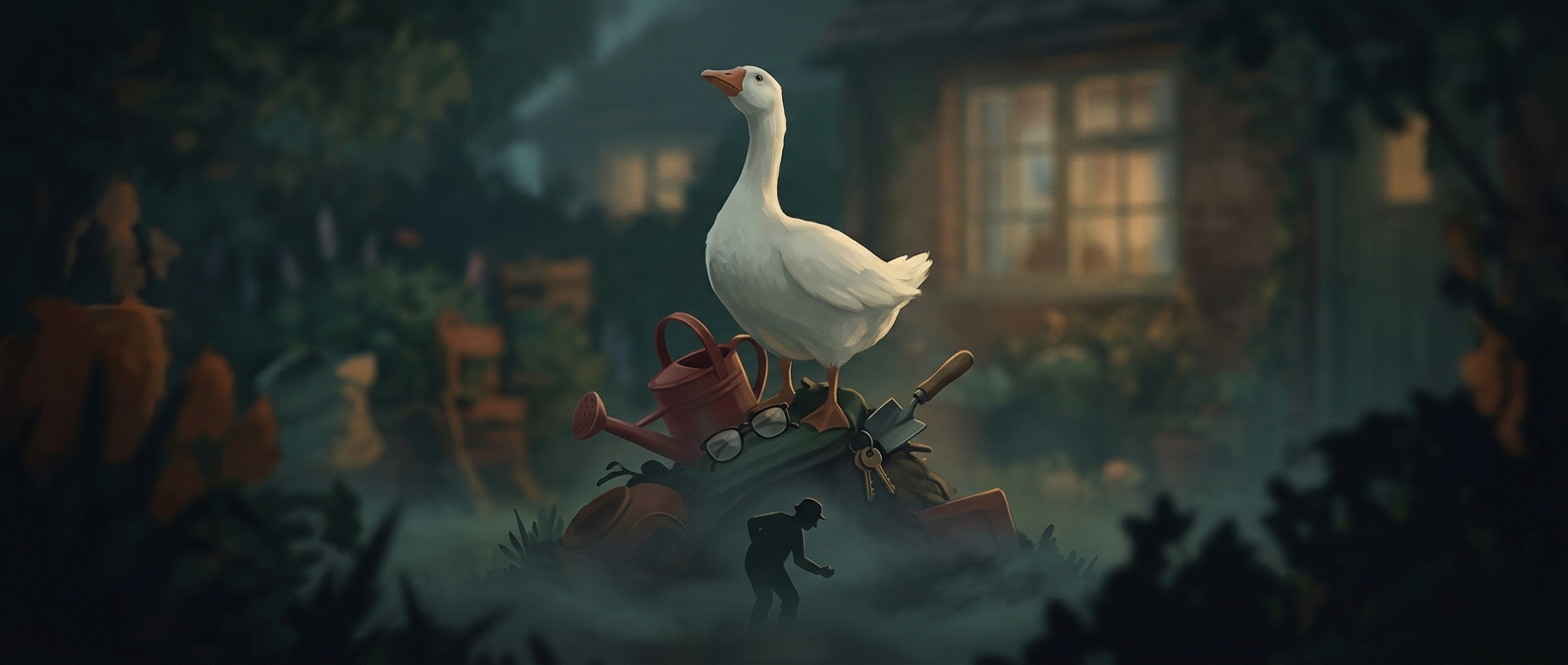
Untitled Goose Game turns mischief into a puzzle by giving the player a limited toolkit and letting the village supply the complications. The goose can honk, grab objects, flap its wings, and move around; villagers react to those interruptions, often trying to reclaim what has been taken or restore order. The fun comes from timing those reactions, not from overpowering anyone.
The To-Do List Is a Design Tool
Each area presents a short list of things to accomplish. Some are direct, while others require the player to notice how people, objects, and spaces can be used together. A tool might need to be moved before its owner can be distracted; a honk can draw someone away from a spot, opening a chance to snatch something nearby.
That structure gives the game direction without prescribing a single exact solution. The list tells players what kind of disruption counts, while the village’s responses leave room to improvise. A failed attempt is often useful: it reveals how a person behaves or where an object can be carried, turning trial and error into part of the joke.
Why the Goose’s Limits Matter
The goose is not a heroic character with a growing arsenal. Its small repertoire keeps the focus on observation: who is watching, what they will chase, and where a stolen object can be hidden. Because the player’s tools stay simple, a minor act—such as making noise at the right moment—can set off a whole chain of comic reactions.
The result is mischief that feels authored but not fully scripted. Players follow the same broad goals, yet the route to a village’s next disruption can belong to them.