The disguise is built into the controls
In Octodad, the player isn’t simply steering a person who happens to be an octopus. They have to manage a body whose limbs move with the loose, awkward physics of tentacles, while trying to make its actions look human. Reaching, walking, and handling objects become separate coordination problems rather than effortless parts of one smooth movement.
That gap between intention and motion is the game’s main comic engine. A player may know exactly where a hand should go, but getting it there without flailing the rest of the body takes care. The familiar task is easy to understand; the difficulty comes from having to perform it through an unsuitable body.
The family’s ignorance raises the stakes
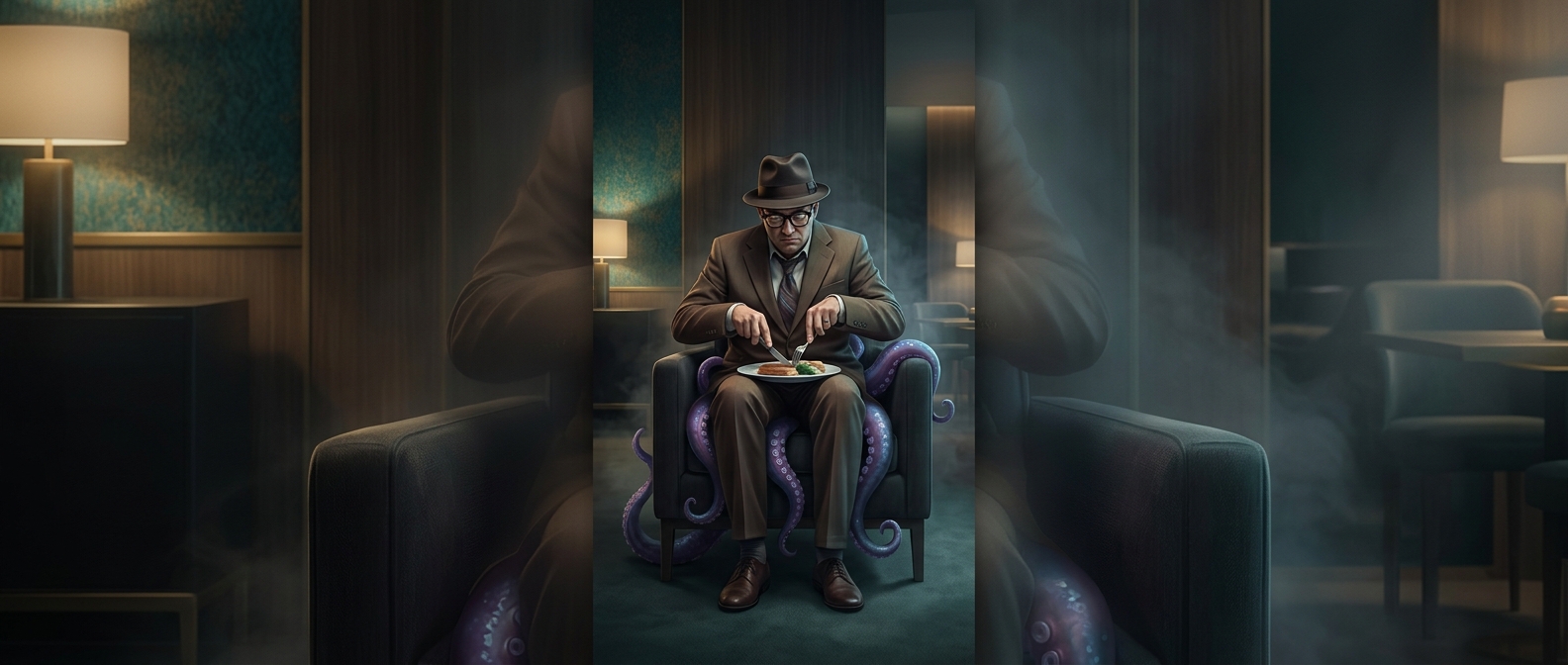
The joke depends on two wildly different readings of the same scene. The player sees a precarious performance that could expose Octodad at any moment. His family treats him as an ordinary dad, so every wobble or misplaced limb becomes a near-miss rather than an open revelation.
That mismatch turns small household chores into comic suspense. Success isn’t just completing a task; it’s completing it in a way that preserves the appearance of normality. The suction cups are funny because the game makes the player work so hard to keep them from becoming evidence.