A landing that begins with recognition
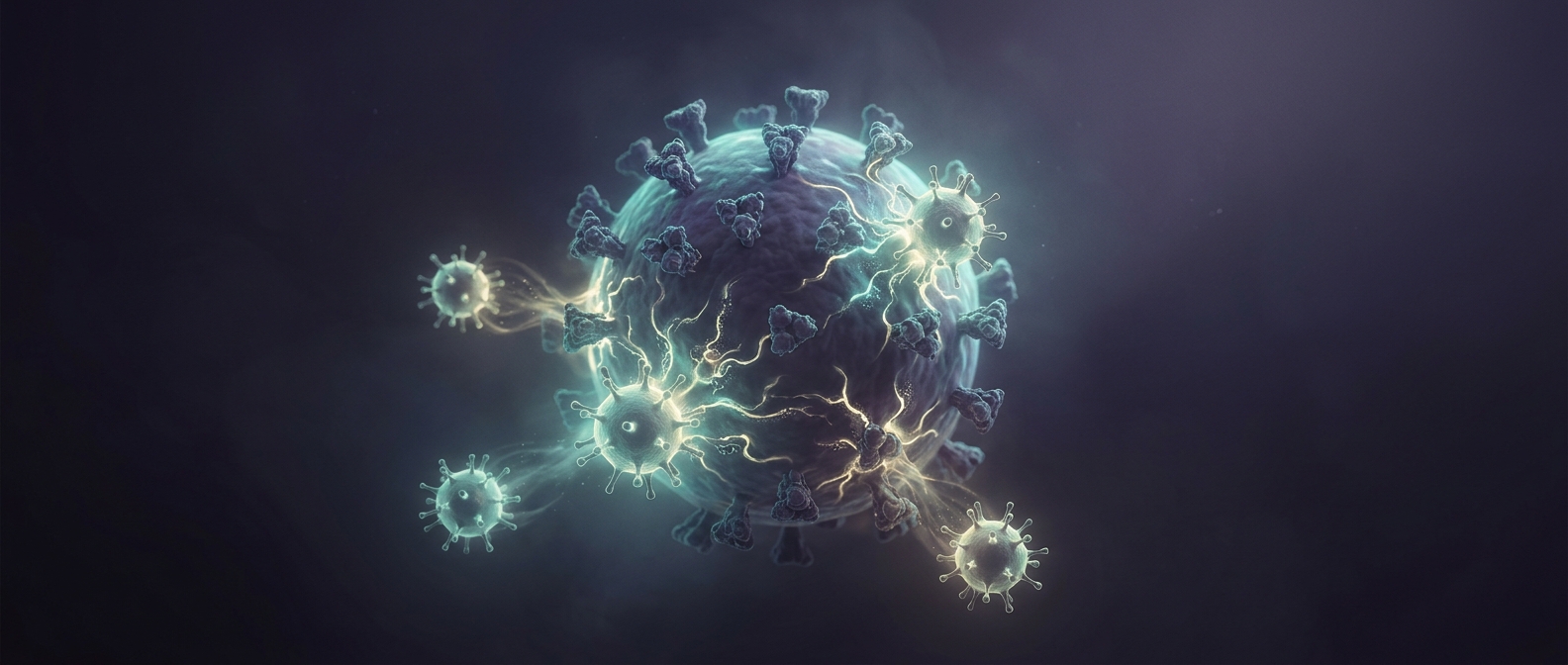
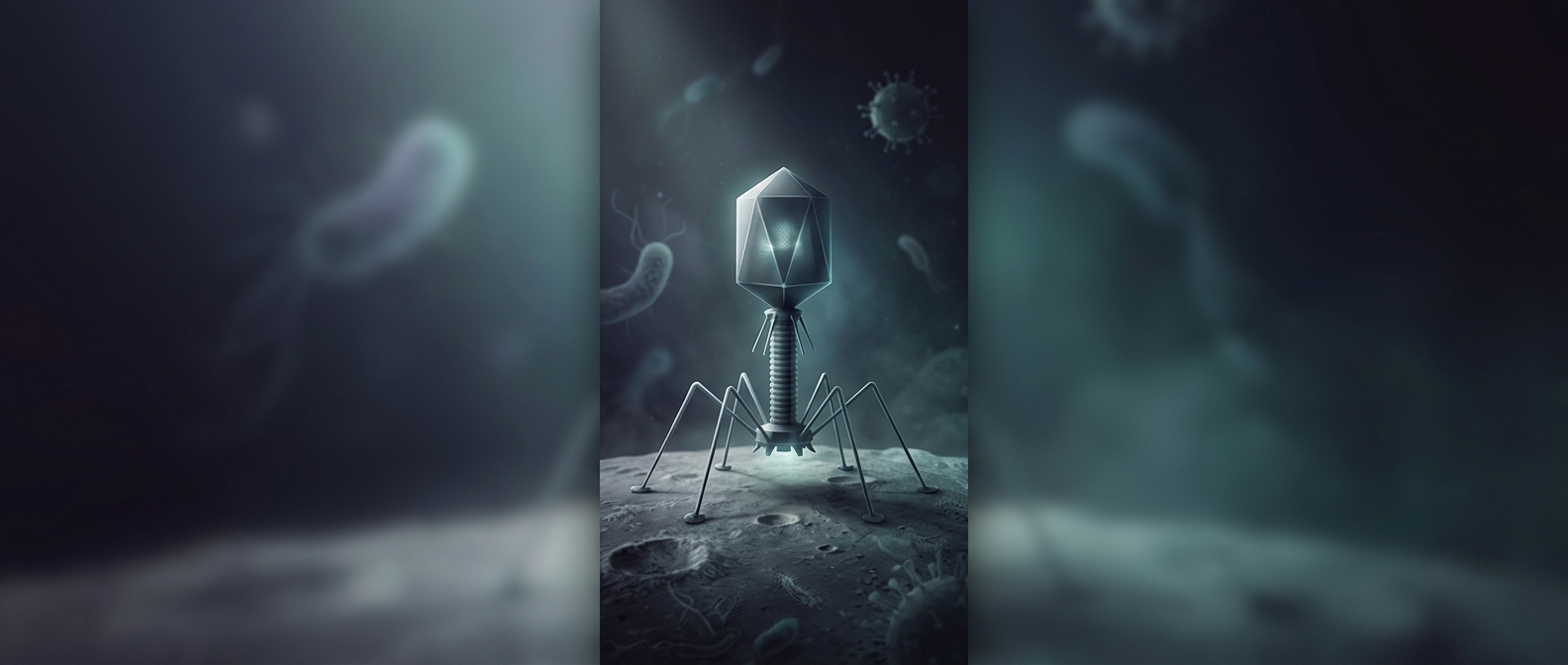
A bacteriophage does not dock on just any bacterium. Its tail fibers bind to particular molecules on a bacterial surface, much like a key fitting a lock. That match helps determine which bacteria the phage can infect; a phage that recognizes one species, or even a narrower group, may leave neighboring bacteria untouched.
Once attached, the phage has to get past the bacterium’s tough outer wall before its genetic material can reach the cell interior. In many familiar phages, enzymes at the tail help open a tiny passage through the wall. The tail then serves as a delivery tube. Some phages also contract a sheath around the tube, driving it through the outer layers.
The payload takes over
The phage usually leaves its protein shell outside and sends its genome—DNA or, in some phages, RNA—into the bacterium. That genetic material can redirect the cell’s machinery to make phage components and assemble new viruses. In a common outcome, the crowded cell eventually breaks open, releasing the new phages to infect other bacteria.
Not every infection ends immediately in a burst. Some phages can insert their DNA into the bacterium’s genome and remain dormant, copied along when the cell divides, until conditions prompt them to become active. Either way, the apparent landing is only the visible first step in a process that turns a bacterium into a site of viral production.
That selective attachment is one reason phages interest medicine: a suitable phage can target a disease-causing bacterium without attacking human cells. But finding a match matters—the same precision that makes a phage selective also means one phage is not a universal treatment for bacterial infections.