Why a Signal Keeps Moving
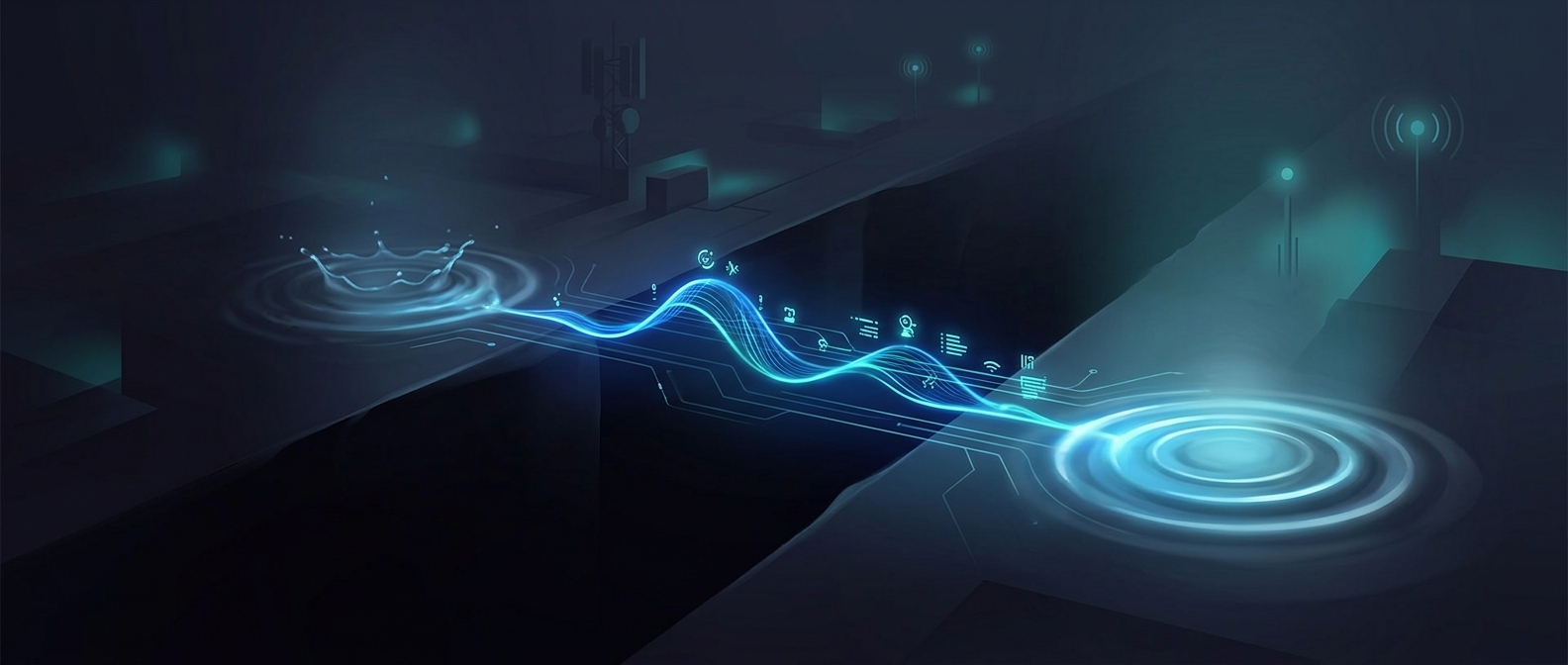
A radio channel is rarely quiet. Other transmitters, electrical equipment, and reflections from buildings can all interfere with a message. Spread-spectrum systems address this by distributing a transmission across a broader range of frequencies than the data would otherwise need. In frequency hopping, the transmitter changes channels in a planned sequence, sending pieces of the message at different points in the band.
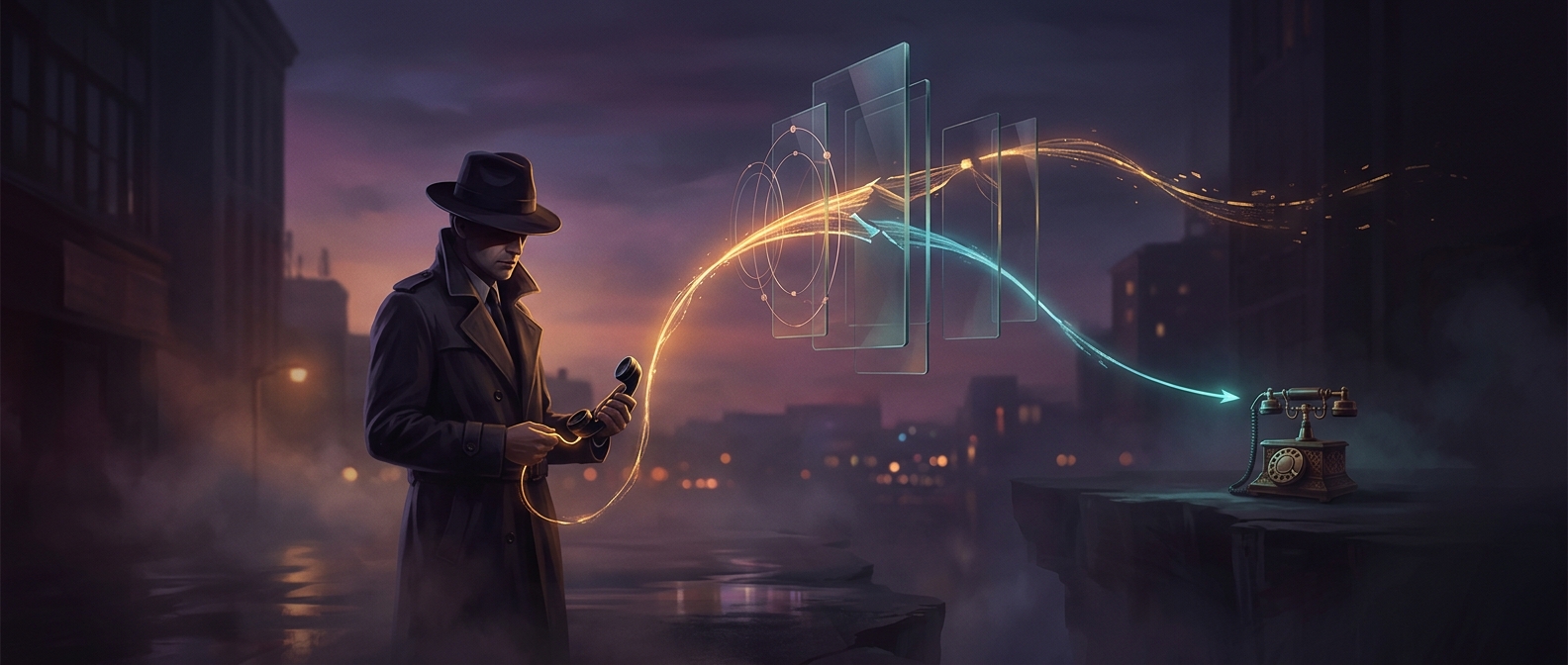
The sequence is generated from a shared code. It may look random to an outside observer, but it is reproducible: the receiver uses the same code to predict where to listen next. Once transmitter and receiver are synchronized, the receiver gathers the scattered pieces and restores the data.
Why the Extra Bandwidth Helps
A signal confined to one frequency can be overwhelmed if interference lands there. A hopping signal spends only part of its transmission on any one channel, so interference at a particular frequency may damage some pieces without erasing the whole message. The receiver can often recover the rest, depending on the system and how much information was lost.
The tradeoff is coordination. Both devices must keep time and follow the same sequence; if they lose synchronization, the receiver may be listening in the wrong place. The system also uses more spectrum than a narrowly focused transmission would.
Noise Is Not the Same as Secrecy
To someone without the sequence, the transmission can be difficult to follow and may blend into other radio activity. But spread spectrum is a way to manage interference and share spectrum, not encryption. Protecting the message’s contents requires separate safeguards. Its practical advantage is more modest—and useful: a disturbance on one frequency does not necessarily silence the entire conversation.