The pause between rings carries a data signal
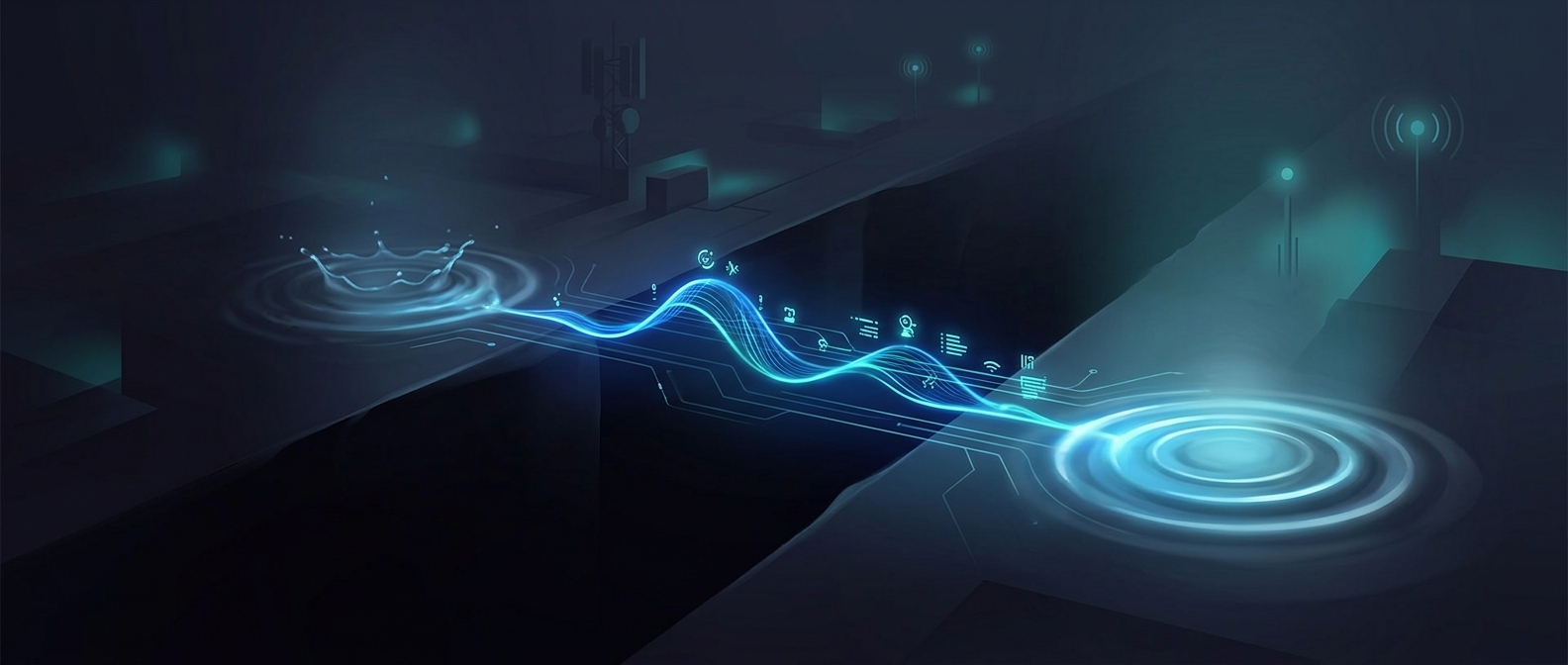
On many landline systems, the first ring is followed by a brief quiet interval. That gap is not empty: the telephone network uses it to send caller information to the receiving phone before the call is answered.
The information arrives as frequency-shift keying, a method of encoding digital data by switching between audio tones. The tones are too brief and structured to sound like ordinary speech. A caller-ID circuit in the phone listens to the line, translates the changing tones into data, and saves the number and any accompanying name for the display.
Why answering early can hide the number
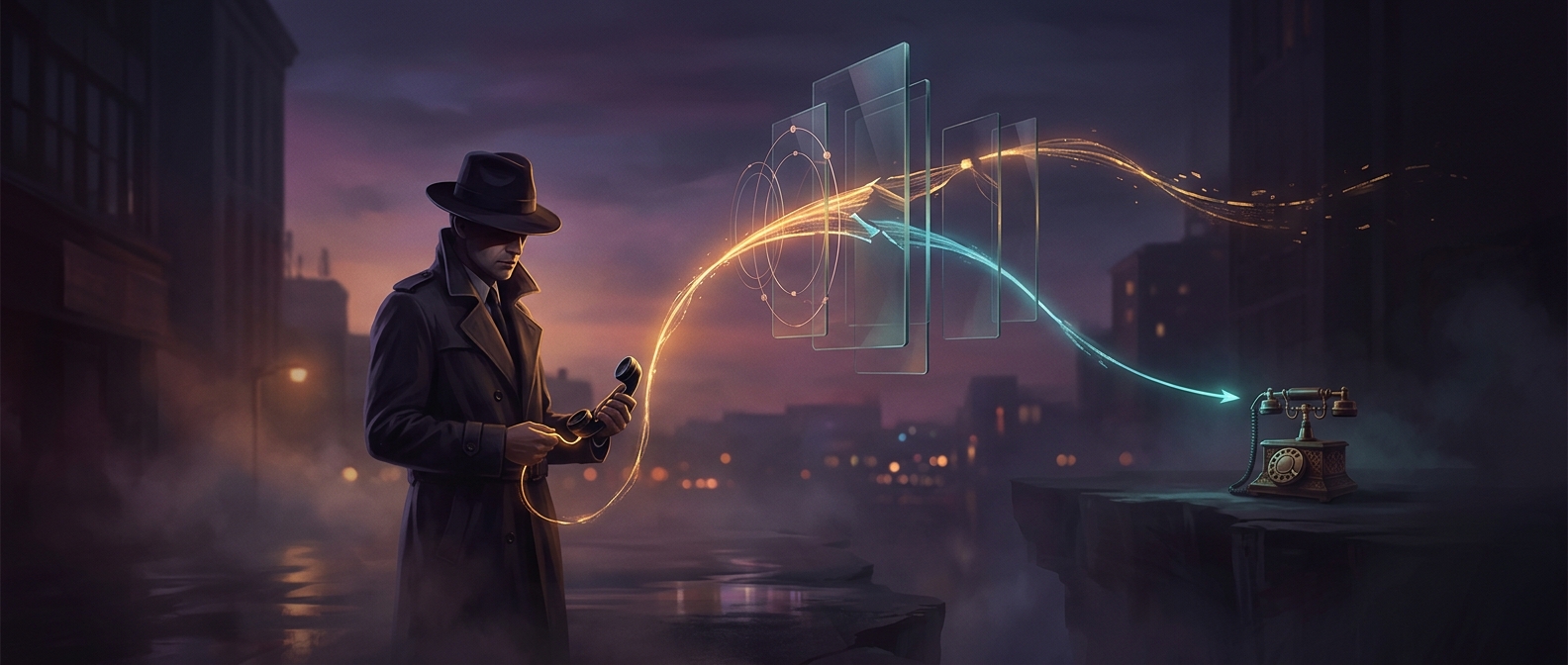
The phone needs the line to remain in its listening state while the burst arrives. Picking up the handset changes the connection: the phone goes “off hook,” and the network treats the call as answered. The caller-ID receiver may then miss the remaining data or stop processing it, leaving the display blank or incomplete.
That is why a caller’s number can appear only after the first ring, even though the call itself has already begun. Waiting for the next ring gives the receiving phone time to finish collecting the burst and put the information on screen. The second ring is not what carries the number; it is the practical sign that the first-ring pause has passed.