Why a Steak Can Stay Pink Inside
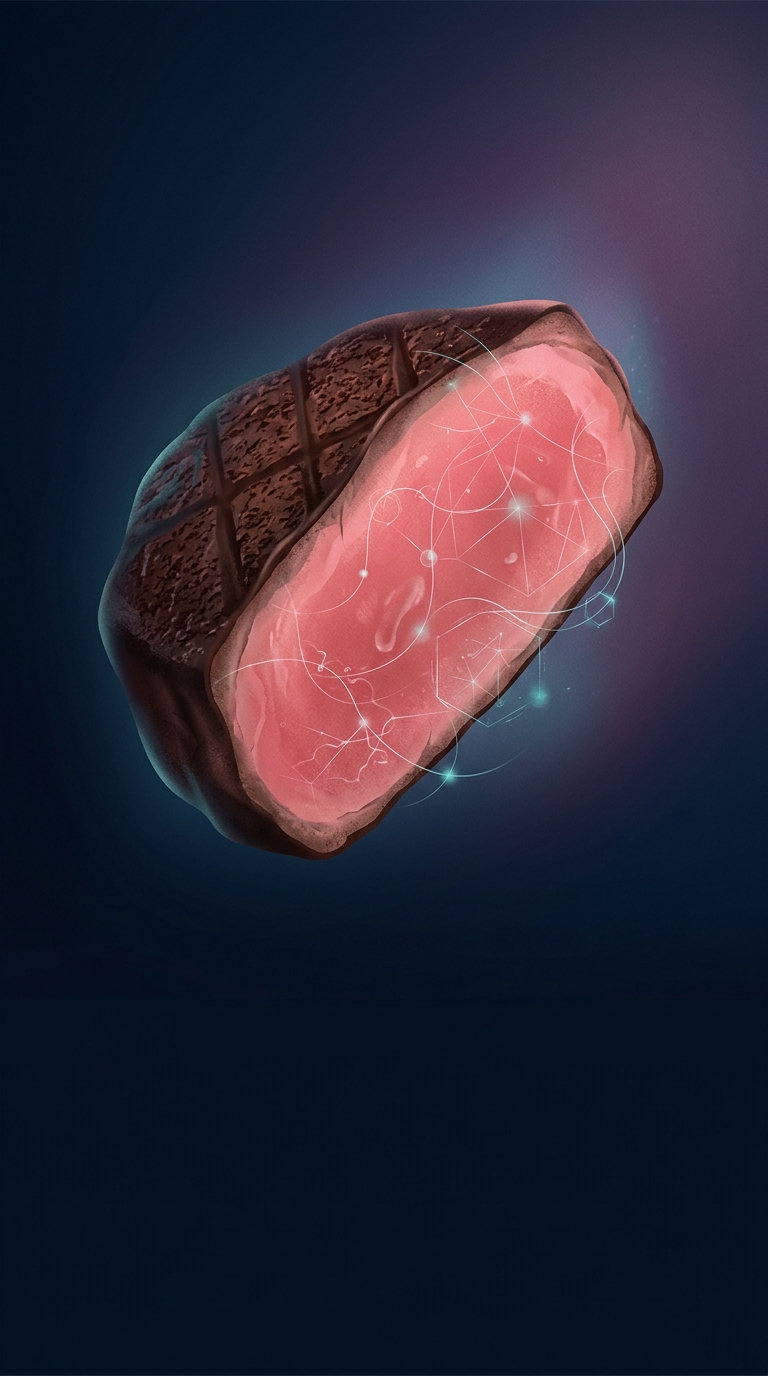
A whole cut of beef is built differently, from a food-safety perspective, than a piece of ground meat. In an intact steak, harmful bacteria are most likely to be on the outside, where the meat was exposed during slaughter and handling. The dense muscle inside is generally protected from that contamination.
That makes searing effective: a hot pan or grill can heat the steak’s surface enough to kill many bacteria while the center remains pink. The pink color reflects pigments in the meat, not a reliable measure of whether it is safe or unsafe.
Chicken and Beef Carry Different Risks
Raw chicken is more likely to carry bacteria such as Salmonella or Campylobacter, and those bacteria can spread from chicken and its juices to hands, counters, utensils, and other food. Beef can carry dangerous bacteria too, including E. coli; it is not sterile simply because it is beef.
The key difference is where contamination tends to be. When beef is ground, the grinder mixes the outside of many pieces throughout the batch. Bacteria that began on the surface can end up in the center, where a quick sear cannot reach them. Ground beef therefore needs to be cooked through more thoroughly than an intact steak.
When the Steak’s Interior May Not Be Protected
Some steaks are mechanically tenderized—pierced with blades or needles—or injected with a marinade. Those processes can carry surface bacteria into the meat, so the usual surface-searing logic may not apply in the same way. Handling matters, too: raw-meat juices can contaminate ready-to-eat foods before the steak ever reaches the grill.
So a rare steak can be a reasonable choice for many healthy adults when it is an intact cut handled carefully, but pink does not guarantee safety, and rare does not mean risk-free. The reassuring part is not that beef lacks pathogens; it is that, in an intact steak, the likely contamination is concentrated where heat can reach it first.