From carrot tissue to the digestive tract
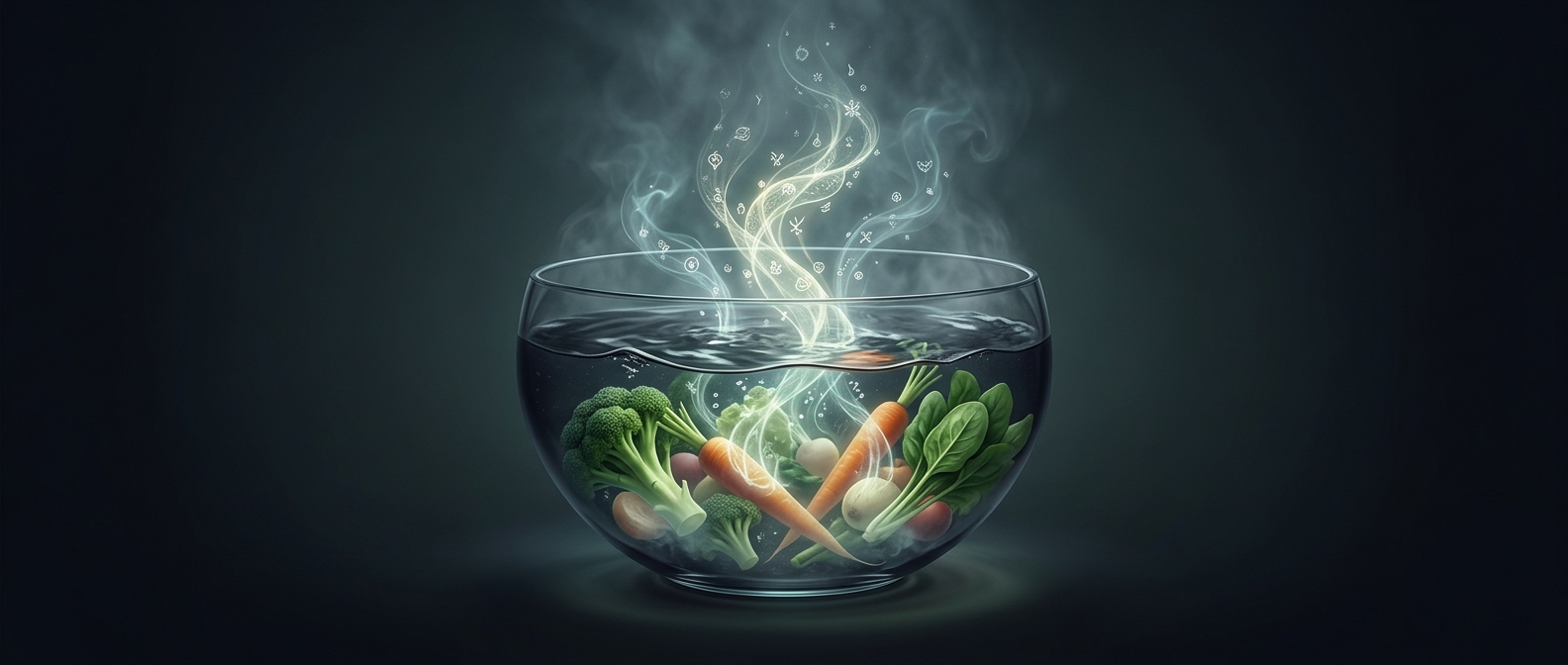
A carrot is not simply a container of freely available nutrients. Beta-carotene is embedded in the plant’s organized tissue, including structures that digestive enzymes cannot instantly dismantle. Heat loosens that structure; chopping, mashing, or puréeing also breaks it up, exposing more of the pigment to digestion. That can make a larger share of the carrot’s beta-carotene available for the body to absorb.
“Available” matters: the amount listed in a food is not necessarily the amount that reaches the bloodstream. Cooking changes the food matrix—the physical arrangement of its cells and components—so digestion has an easier route to the nutrient.
Why a little fat can help
Beta-carotene dissolves in fat, not water. During digestion, dietary fat helps package it into tiny particles that can pass through the watery contents of the gut and be taken up by intestinal cells. Once absorbed, the body can convert some beta-carotene into vitamin A, which supports functions including vision and immune health.
That is why preparation involves more than choosing raw or cooked. A cooked carrot served with a little oil, butter, or another source of fat combines softened tissue with conditions that help a fat-soluble nutrient travel through digestion. The practical payoff is simple: a carrot’s nutritional value depends not just on what it contains, but also on how its structure and the rest of the meal affect what the body can use.