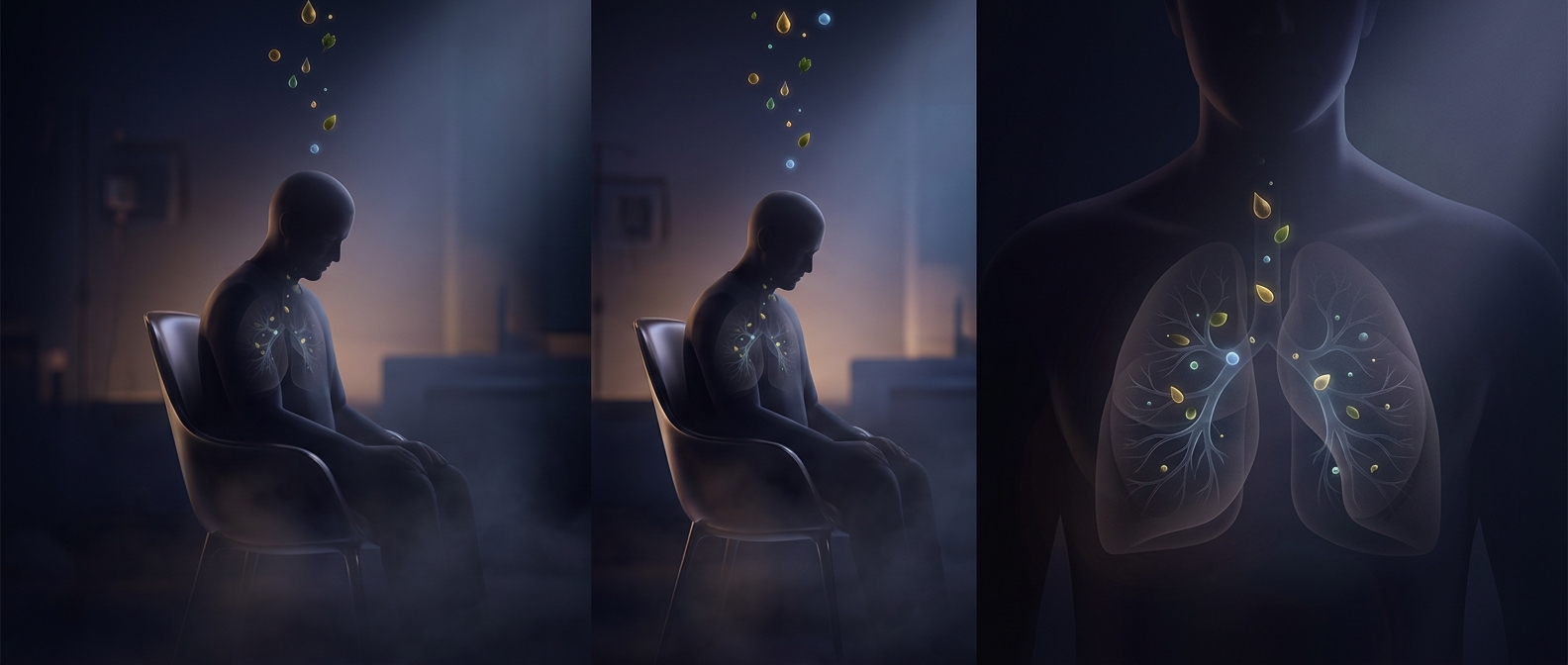
How a Vitamin C Shortage Weakens Connective Tissue
Vitamin C helps the body build collagen, a protein that gives strength and structure to skin, blood vessels, gums, and the tissue that supports joints. Without enough vitamin C, the body cannot maintain that framework normally. Tiny blood vessels become more prone to leaking, and the gums and skin can become fragile.
The damage develops over time, not after skipping a serving of vegetables. As the shortage continues, a person may feel tired or weak, bruise easily, develop swollen or bleeding gums, or notice that small wounds heal poorly. Severe, untreated deficiency can cause more extensive bleeding and other serious complications.
Why It Can Happen Despite Modern Food Supplies
Scurvy is caused by sustained vitamin C deficiency. A diet dominated by foods that contain little or no vitamin C can create that shortage—even where supermarkets and supplements are widely available. The issue may be a severely limited range of foods, rather than simply disliking vegetables; some fruits and other foods also supply vitamin C. Difficulty accessing or preparing fresh food, restrictive eating, and health conditions that interfere with nutrition can also contribute.
That distinction matters because the condition is not a measure of someone’s character or effort. A person can have plenty of calories while still missing a nutrient the body cannot make for itself. Clinicians consider the pattern of symptoms and diet, and may use blood tests to help assess the cause.
Restoring the Missing Ingredient
When scurvy is identified, replacing vitamin C—through food or supplements as directed by a clinician—can allow the body to resume making collagen, and symptoms often improve. But suspected severe deficiency needs medical care: bleeding, profound weakness, or wounds that will not heal should not be treated as a do-it-yourself nutrition problem.
The practical lesson is strikingly small: a diet can provide enough energy to get through the day while failing to supply the vitamin needed to keep blood vessels and connective tissue intact.