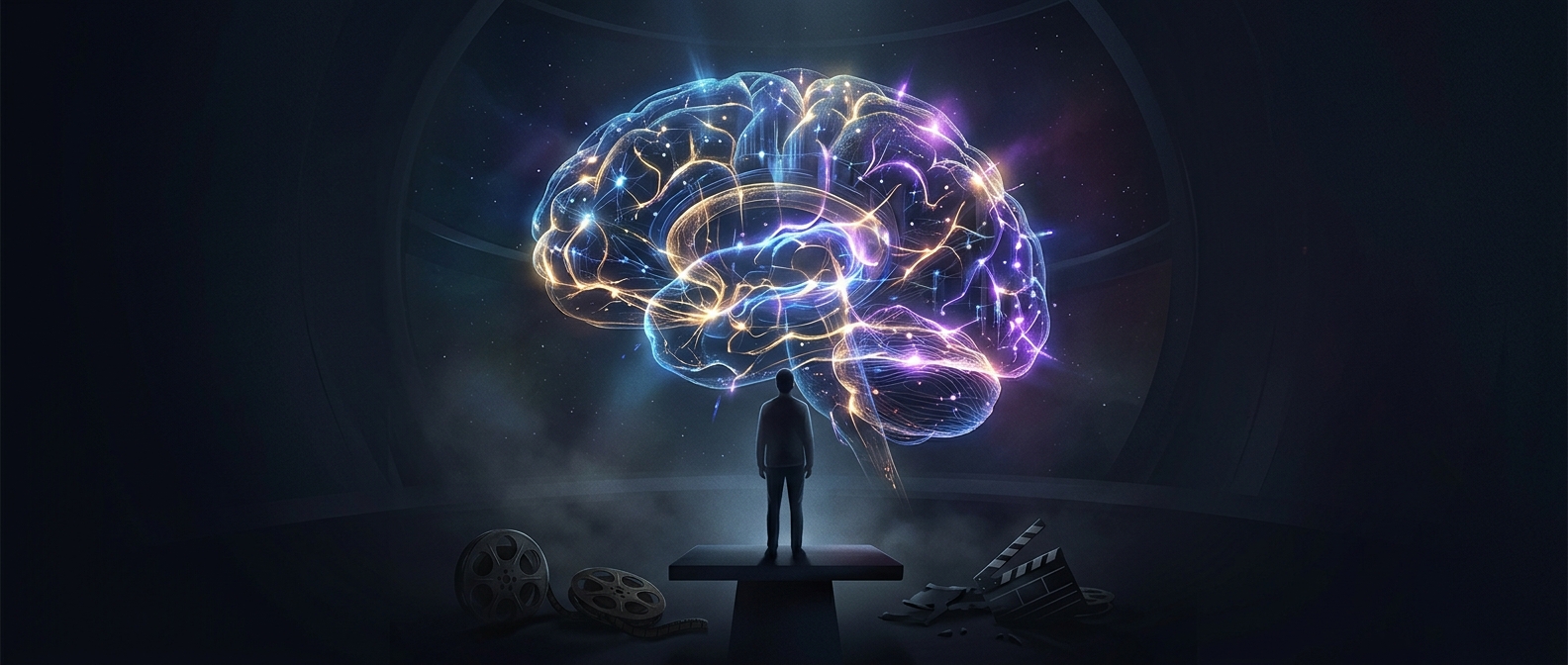
The brain is active even when you’re doing very little
The idea that people use only 10 percent of their brains mistakes a quiet moment for an idle organ. Brain-imaging methods can detect activity across nearly all regions over time, including during sleep and passive activities such as watching a screen. Different areas contribute to different jobs, and their activity shifts as the brain processes sensations, memories, emotions, and the body’s needs.
Activity is not the same as maximum effort
A scan showing activity does not mean every neuron is firing constantly or every region is working equally hard. Neurons—nerve cells that communicate through electrical and chemical signals—operate in changing patterns. A region may be less active for one task and more involved in another; even when it is not the main focus, it may still help coordinate or maintain ongoing functions.
The brain also uses energy to keep cells ready to signal and to manage basic processes. So “active” does not mean “at full blast.” It means the brain’s work is distributed and variable, rather than concentrated in a small portion while the rest remains switched off.
Why the myth sounds plausible
People can learn new skills and improve their abilities, which can feel like discovering hidden mental capacity. But that improvement comes from changes in how brain cells and networks work together—not from awakening a huge, unused reserve. Brain scans likewise do not show that all regions are equally busy; they show patterns that change with what a person is doing.
The useful takeaway is not that every brain cell is always working hard, but that there is no vast dormant 90 percent waiting to be switched on. Even a person quietly watching a show has a brain coordinating far more than the scene on the screen.