Why the Wright brothers flew while The Times was still waiting
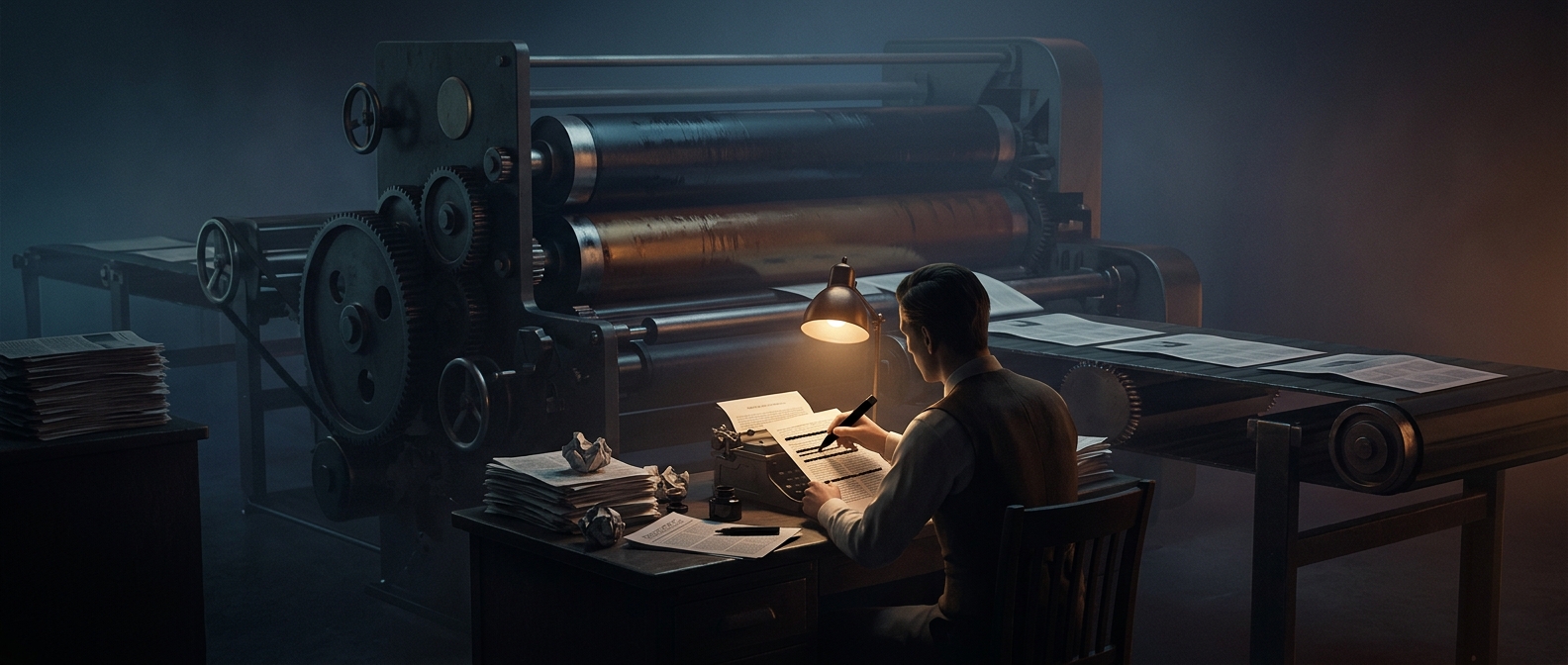
In October 1903, a New York Times editorial argued that practical flying machines were far off—famously suggesting they might take a million years or more to develop. The Wright brothers made their first powered, controlled flights at Kitty Hawk, North Carolina, on December 17. The gap was roughly two months, not a matter of days.
The editorial captured a real obstacle: building an engine that could lift a machine was only part of the problem. A flyer also had to remain balanced and respond to its pilot. Earlier experiments could glide or briefly leave the ground, but powered flight that a person could steer and control remained elusive.
The Wrights solved the control problem first
The brothers treated flying as an engineering problem they could test step by step. They built gliders, studied how air moved over wings, and developed a way to steer by changing the shape of a wing. That technique, called wing-warping, helped a pilot correct a tilt rather than simply hope the craft stayed level. They paired control with a lightweight engine and propellers designed to push the plane through the air.
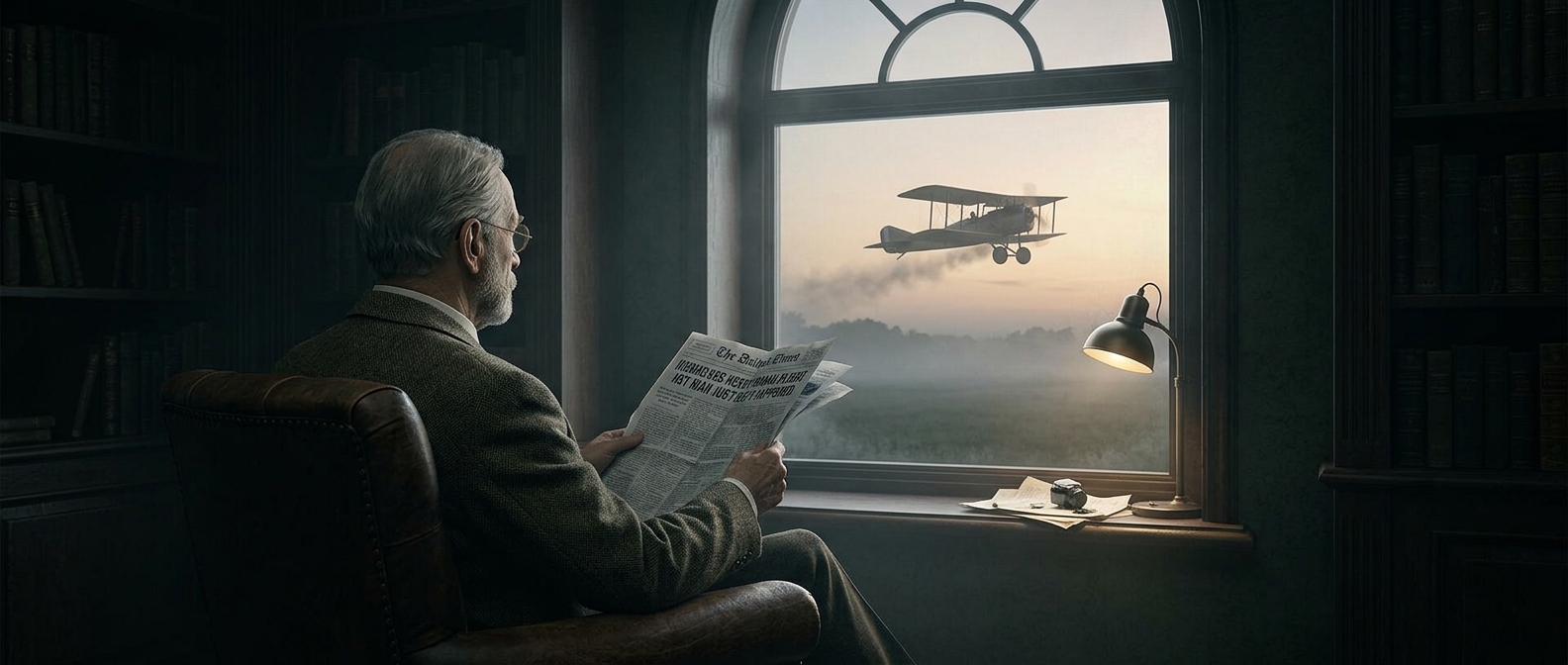
Their achievement was not that they had guessed the future better than everyone else in a single flash. It was that they made flight repeatable enough to learn from: each trial could reveal what needed adjustment. Their first flight lasted only 12 seconds, but it was powered and controlled—the combination that the editorial had treated as impossibly distant.
The episode is remembered as a spectacular journalistic miss, but its timing also makes the contrast vivid: an idea that seemed remote became airborne within weeks of the paper’s prediction. The Wrights’ brief flight showed how quickly a stubborn technical problem can change once someone finds the right way to test it.