A newspaper published without permission
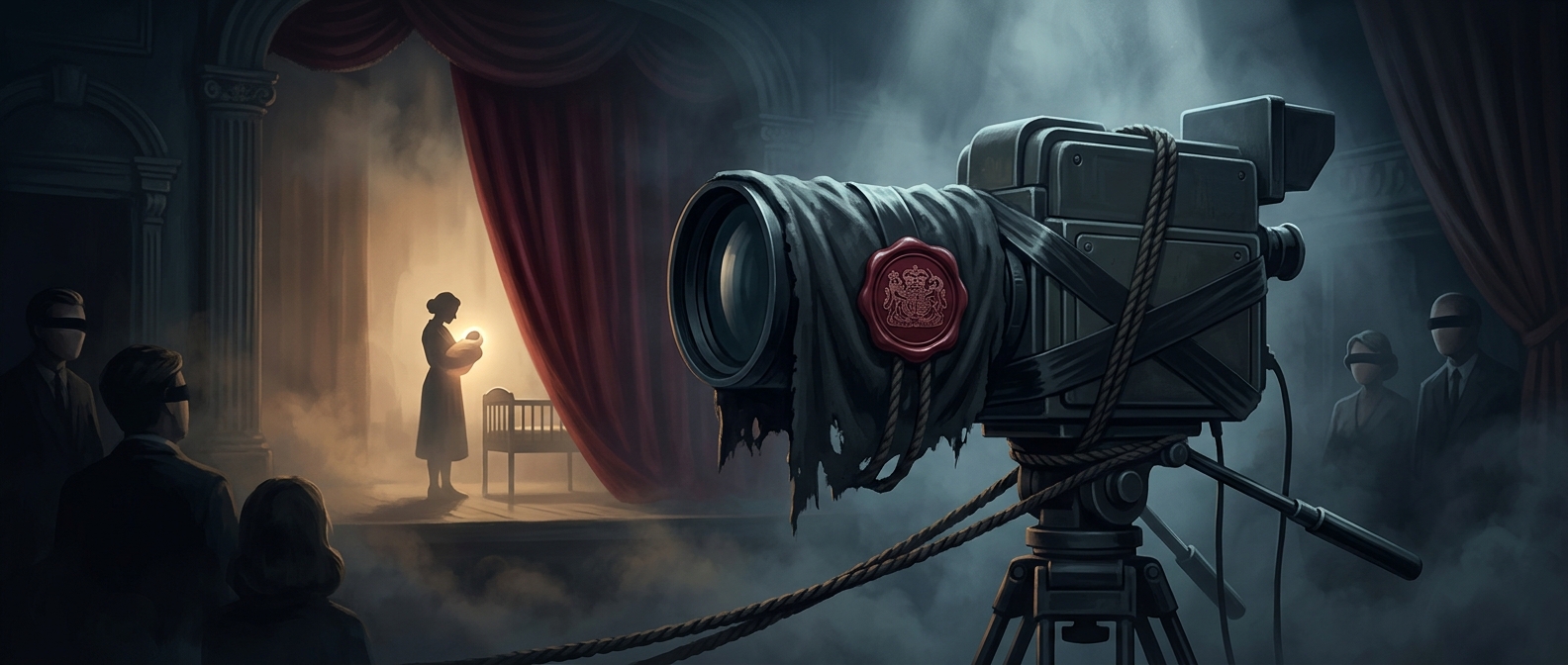
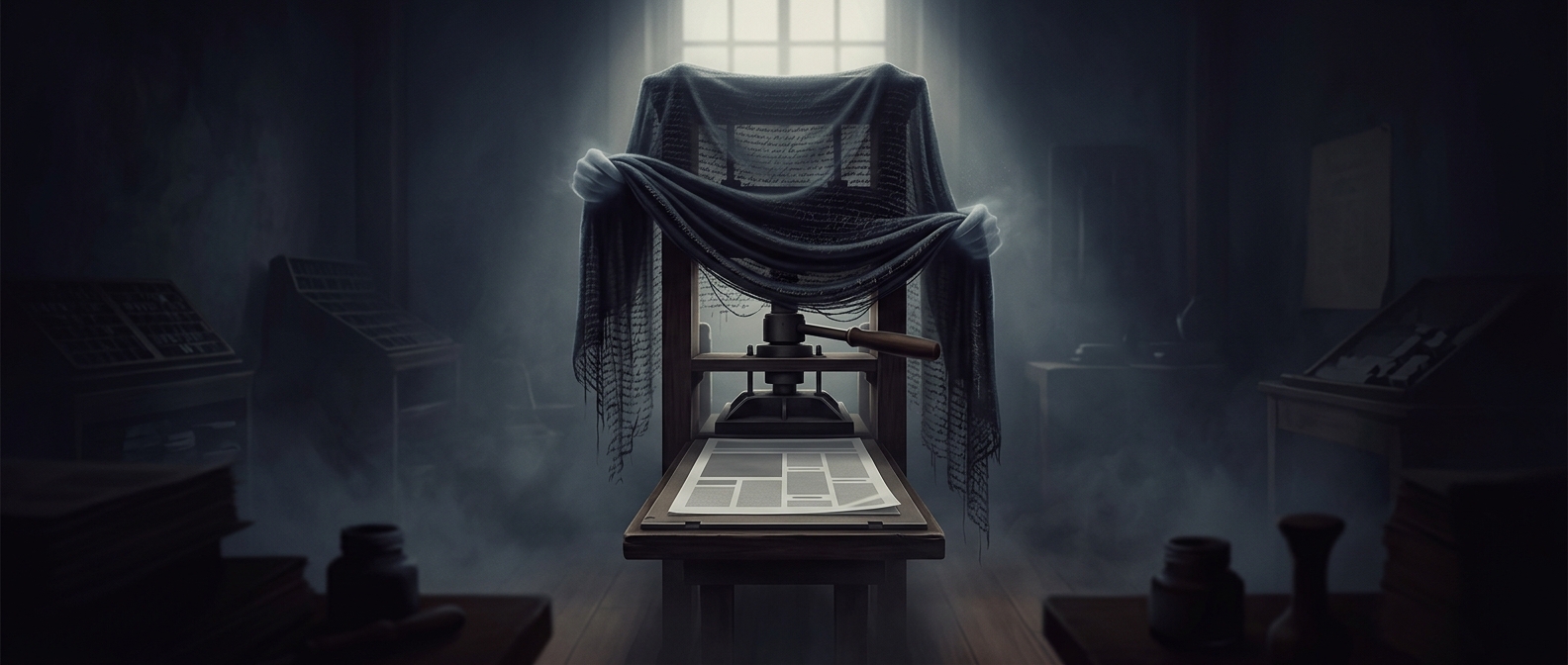
Benjamin Harris’s Publick Occurrences Both Forreign and Domestick was not simply a news sheet that failed to attract readers. In colonial Massachusetts, printing was subject to government control, and Harris issued his paper without the authorities’ prior approval. The governor and council ordered it suppressed and barred further publication unless it was authorized.
That made the paper’s contents especially consequential. It mixed reports from abroad and local affairs with political commentary, and it repeated a rumor involving the French king. In a colony governed under British authority, publishing material that officials considered improper could be treated as a challenge to their control over public information—not merely as an editorial misstep.
The first issue became the last
The order stopped the paper before it could establish a routine or build an audience. Readers had no second issue to compare with the first, and Harris had no chance to revise the paper under pressure. Its abrupt end shows how a government could shape the early press not only by responding to what newspapers said, but by deciding whether they could appear at all.
Boston’s first regularly published newspaper arrived years later, in 1704. Harris’s short-lived venture left a different kind of mark: a newspaper whose history began and ended with the same issue.