A name can be news—and still be withheld
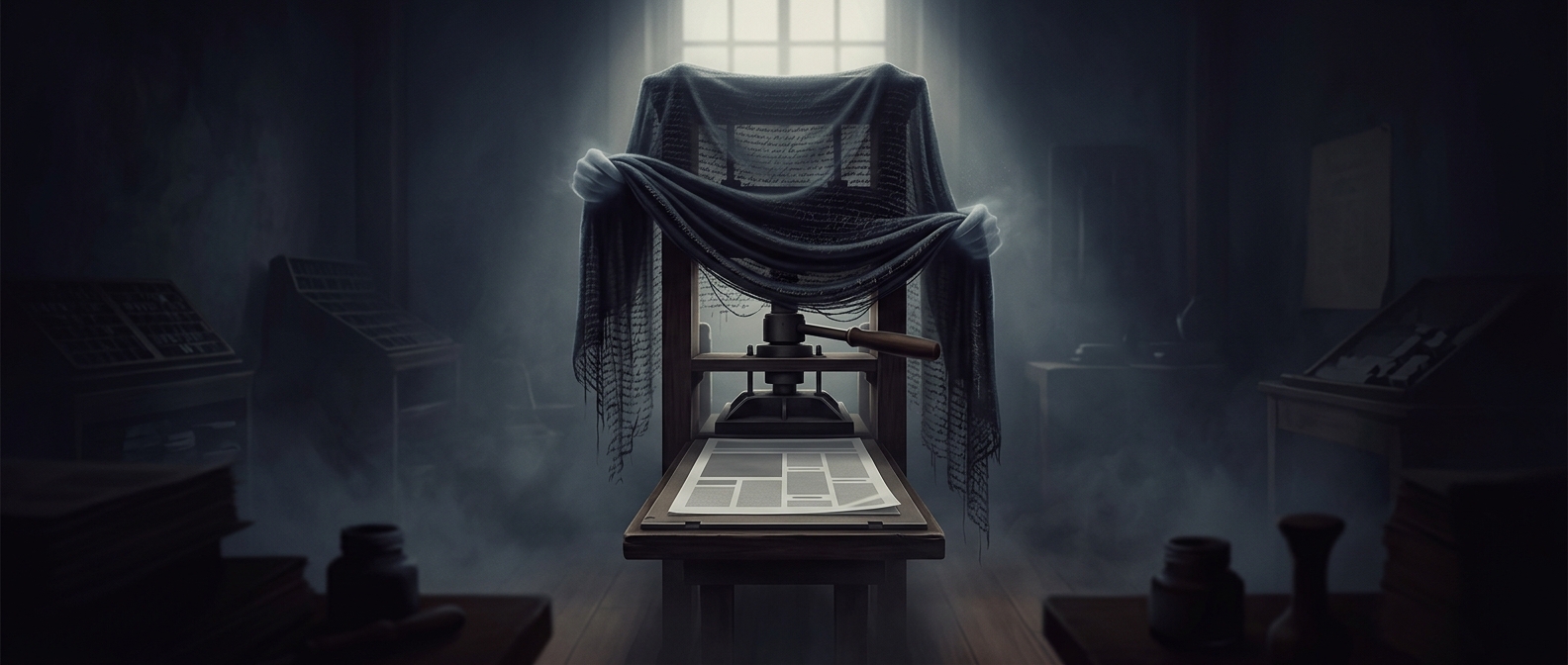
A newspaper’s pages do more than report events: they preserve the words editors decide to publish. When a paper deliberately leaves a politician’s name out, it changes how readers encounter the story. They may still learn what the politician said or did, but the person becomes harder to identify, search for, and connect to other coverage.
That distinction matters because a name is a powerful piece of information. It links an article to a public figure’s record and makes the person’s role unmistakable. Omitting it can therefore act as a conspicuous editorial boundary, not merely a gap in the copy. If the omission lasts for years, it becomes part of the newspaper’s own record of how it chose to cover that figure.
What the omission leaves behind
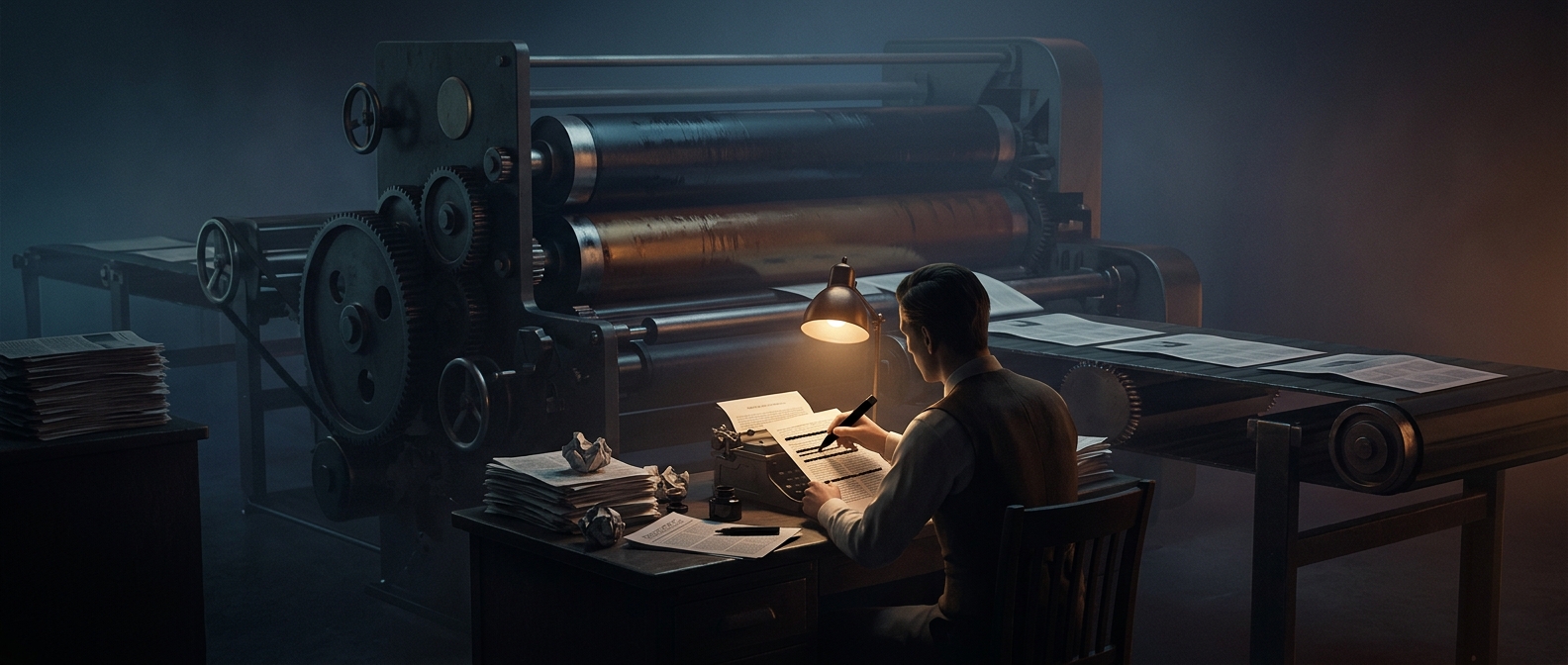
A prolonged refusal to print a name is unusual because newspapers generally rely on names to make reporting precise. Readers can notice the missing word, while later researchers may find the coverage less easily through searches or indexes. The policy does not erase the politician from public life, but it can limit how directly the newspaper’s audience encounters them in print.
The omission alone does not reveal the editors’ reason, or whether readers agreed with the decision. What it does show is that publishing a name is itself an editorial choice—and that withholding one can shape the paper’s coverage for years without changing a single event outside its pages.