When ordinary objects became numbers
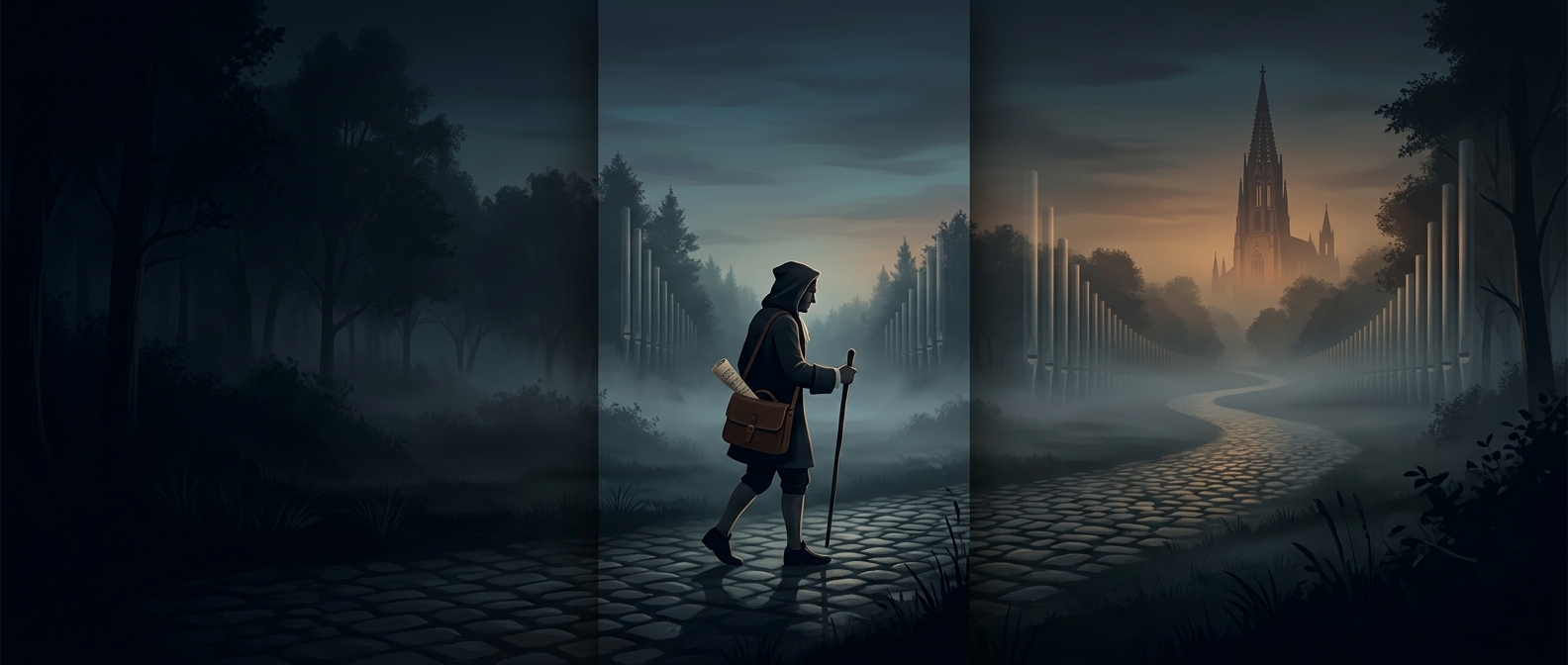
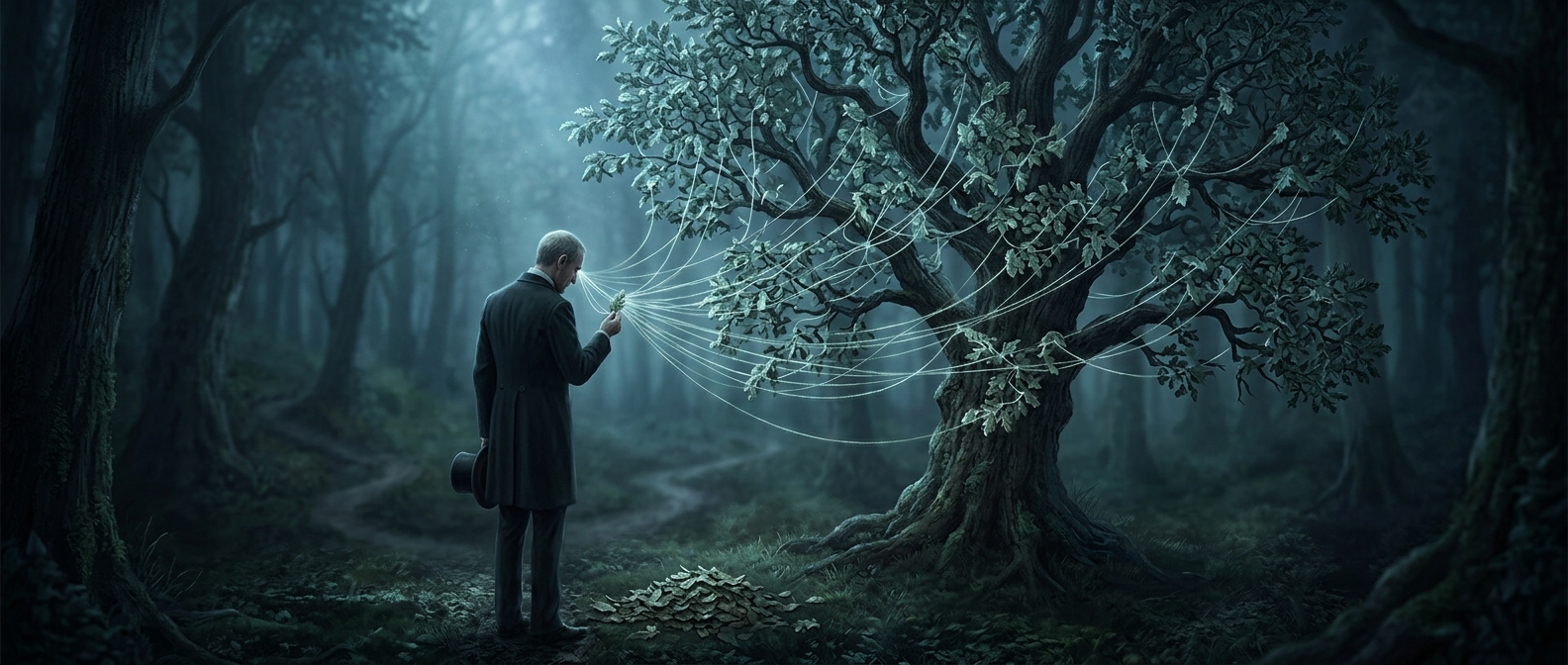
Anton Bruckner’s counting reached from the social world to the natural one: he counted colleagues’ coat buttons and leaves on trees. The range is striking because it turns a passing detail—a button, a leaf—into something to be tallied.
Arithmomania is a term for a compulsion to count. That is different from counting for a practical purpose, such as checking whether a set is complete. Bruckner’s reported habit involved objects with no obvious need to be counted, including things too numerous and irregular to make an easy inventory.
A habit, not a key to the music
Bruckner is remembered chiefly as a composer, but this detail belongs to the texture of his everyday life. It does not, by itself, explain his musical choices or establish that counting shaped his compositions. It shows something narrower and more vivid: even the landscape could present itself as a series of individual items to number.
A tree does not offer a natural stopping point for a count. That contrast—between an orderly act and a seemingly endless subject—is what makes the habit memorable.