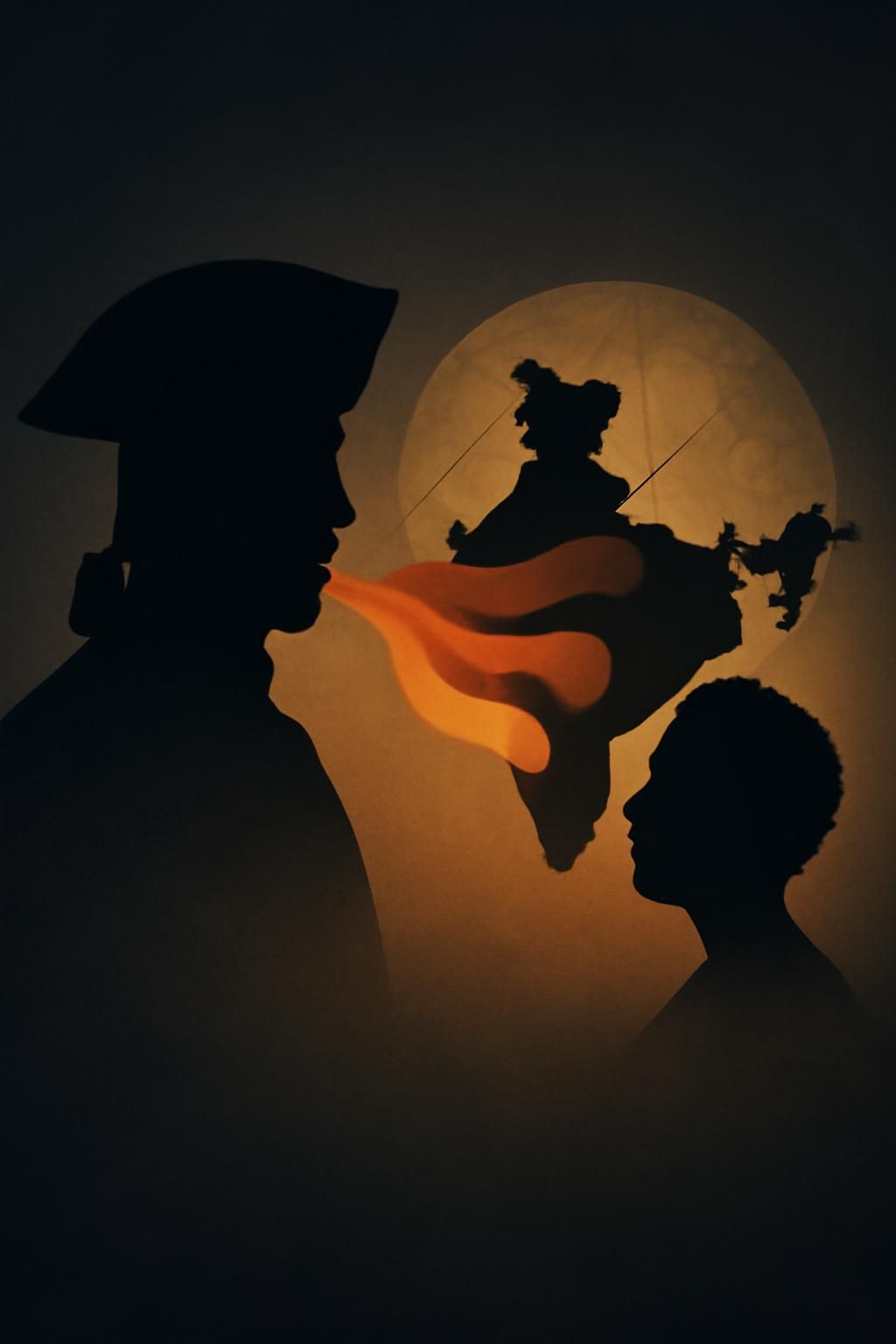
How conquest can make a language unsafe to speak
A language rarely disappears the moment a government claims a territory. The change often unfolds through pressure on everyday choices: officials conduct business in the conqueror’s language, schools punish or discourage children from using their own, and families learn that speaking the dominant language may bring better access to work or public life. The old language becomes harder to pass on—not because it has suddenly become less expressive, but because using it carries a cost.
This process is called language shift: speakers increasingly use another language, often across generations. A child may understand a grandparent’s language but answer in the language used at school. If that pattern continues, the child may not teach the older language to their own children. Conquest, forced schooling, and other forms of state pressure can accelerate the shift, though languages can also decline for reasons that are not directly tied to war.
What disappears with the words
When a language stops being learned by children, more is lost than a set of vocabulary. A language can hold place-names, oral histories, humor, and distinctions that matter in a community’s daily life. Some of that knowledge can be translated or recorded; some depends on the relationships and situations in which people used the language.
The effects can persist after the original policy or conquest has ended. A dominant language may remain the route to education and employment, while families face the burden of rebuilding a language that was excluded from public life. That is why language revival often involves more than preserving words: it means creating places where children can hear, learn, and use them.
A language’s disappearance can therefore mark not a natural contest in which one tongue simply “won,” but a history of unequal choices—sometimes choices made under punishment, exclusion, or necessity.