How tetrodotoxin interrupts movement
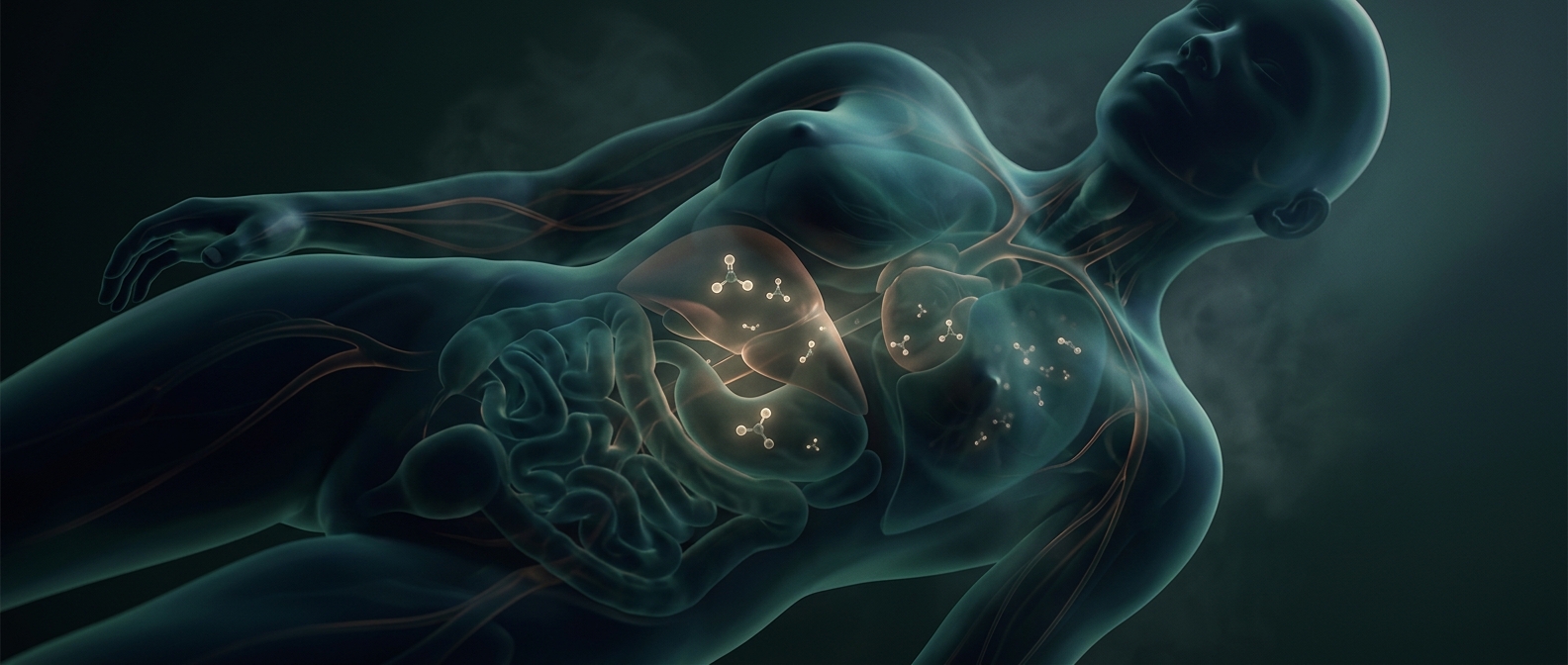
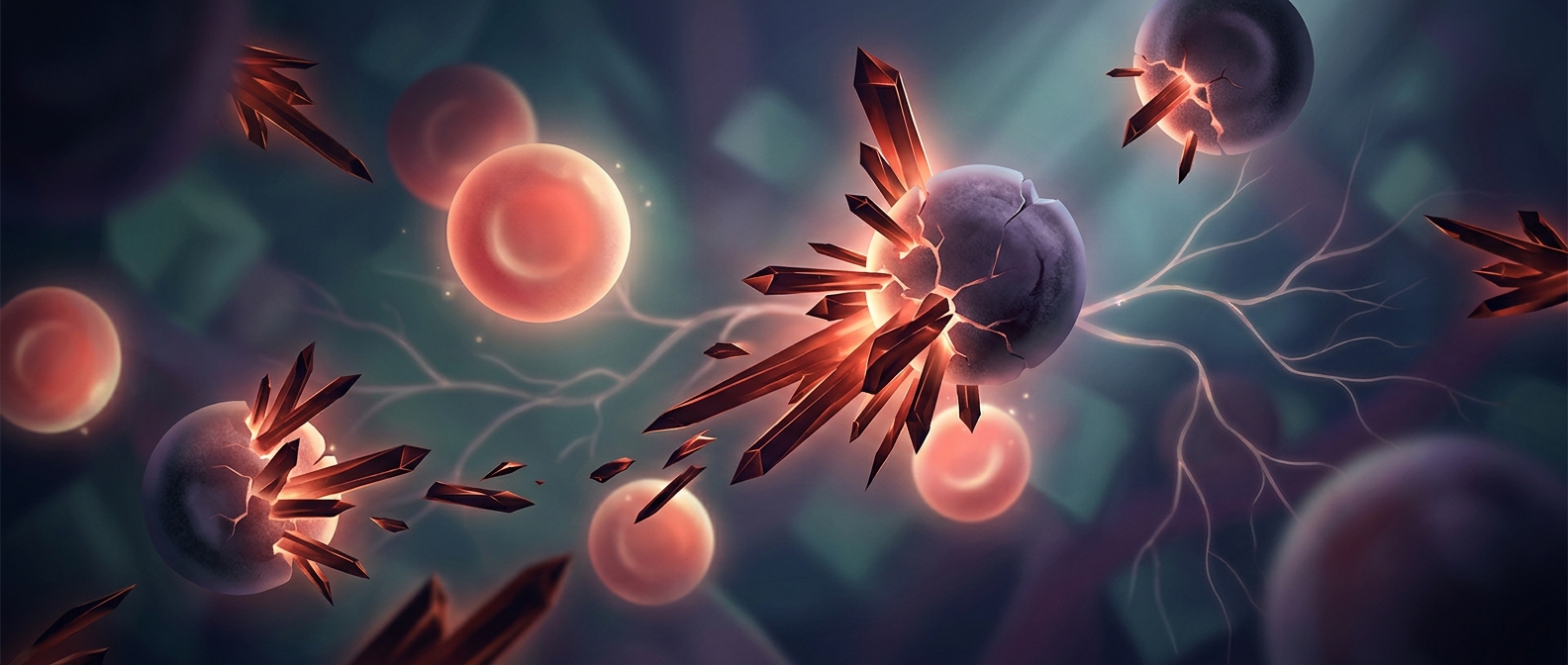
Tetrodotoxin, the poison associated with pufferfish, interferes with voltage-gated sodium channels—tiny gates in nerve-cell membranes that let electrical signals travel. When the toxin blocks these gates, nerves cannot reliably pass instructions to muscles. Tingling or numbness may be followed by increasing weakness and, in severe poisoning, paralysis.
The danger is not limited to movement. The diaphragm and other muscles that drive breathing also depend on nerve signals. If those signals fail, a person may be unable to breathe adequately even while remaining conscious.
No antidote does not mean no care
There is no established drug that directly reverses tetrodotoxin’s blockage. Medical care instead focuses on keeping the person alive while the body clears the toxin. That can include close monitoring and, if breathing becomes too weak, mechanical ventilation—a machine that moves air in and out of the lungs.
This distinction matters: urgent treatment can be lifesaving, but it cannot make a contaminated meal harmless after the fact. Because toxin may remain in a dish despite skilled preparation, fugu’s danger comes down to a small margin for error: a portion that looks and tastes ordinary can contain enough poison to disable the muscles needed for the next breath.