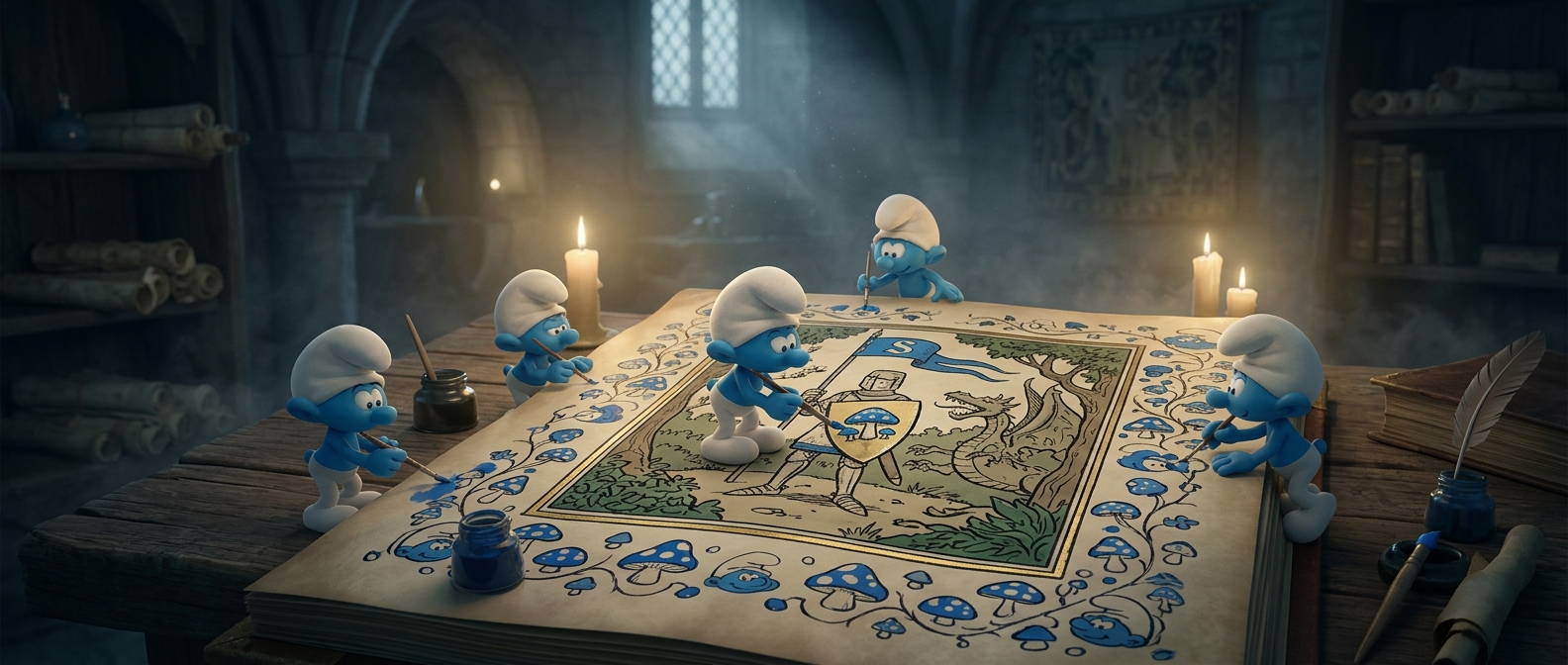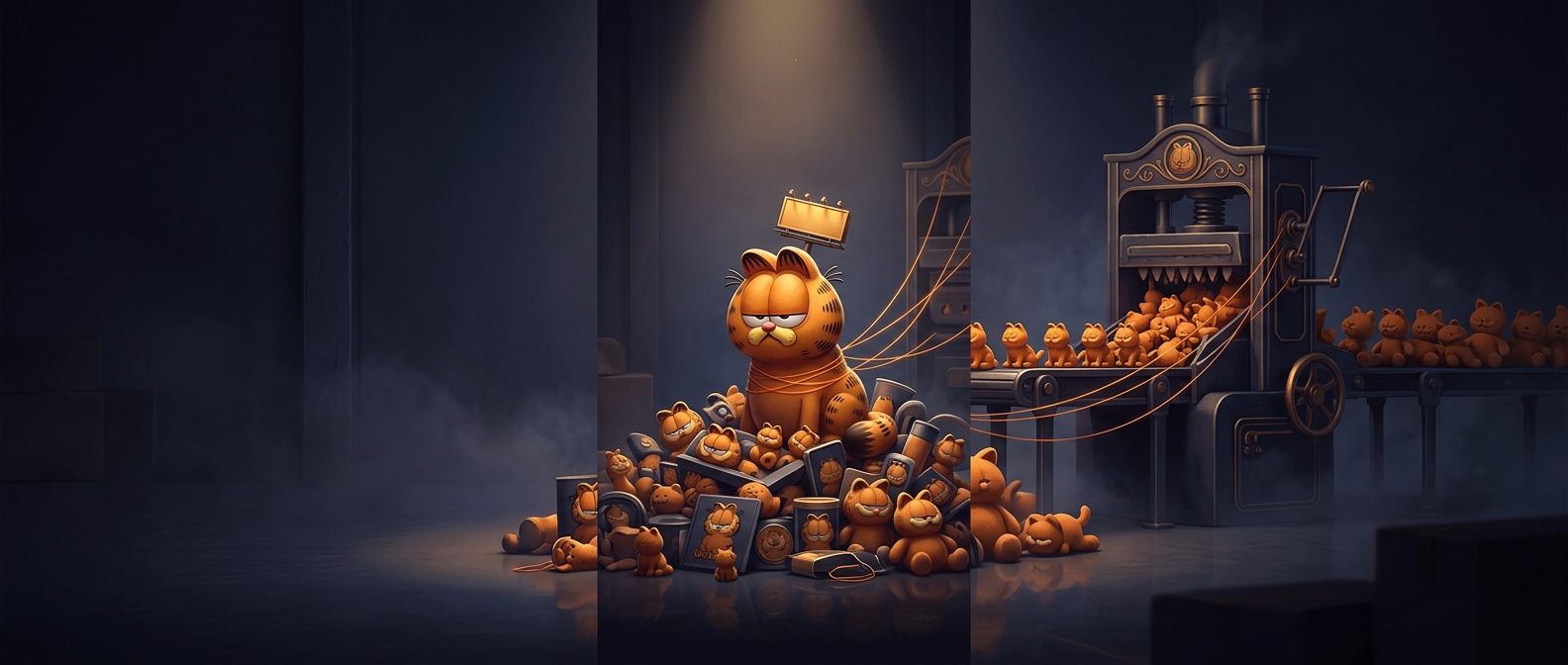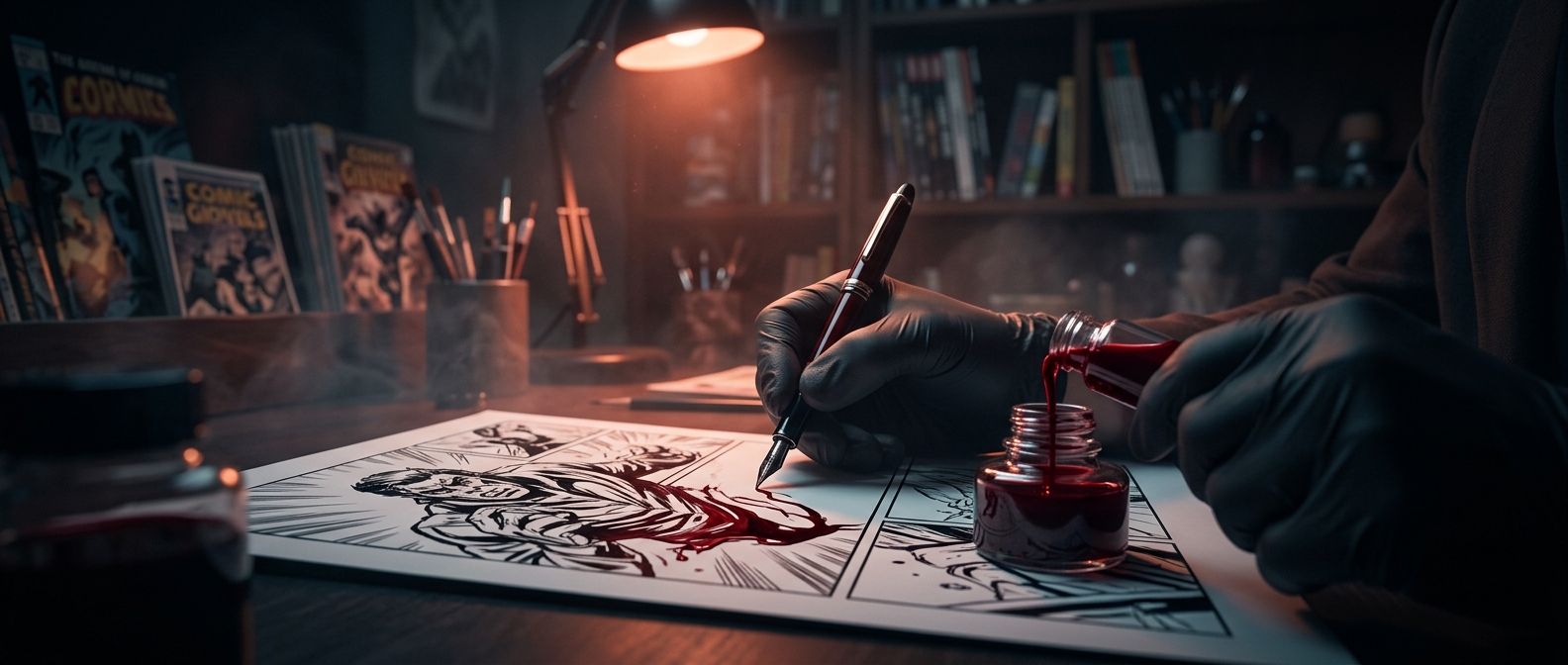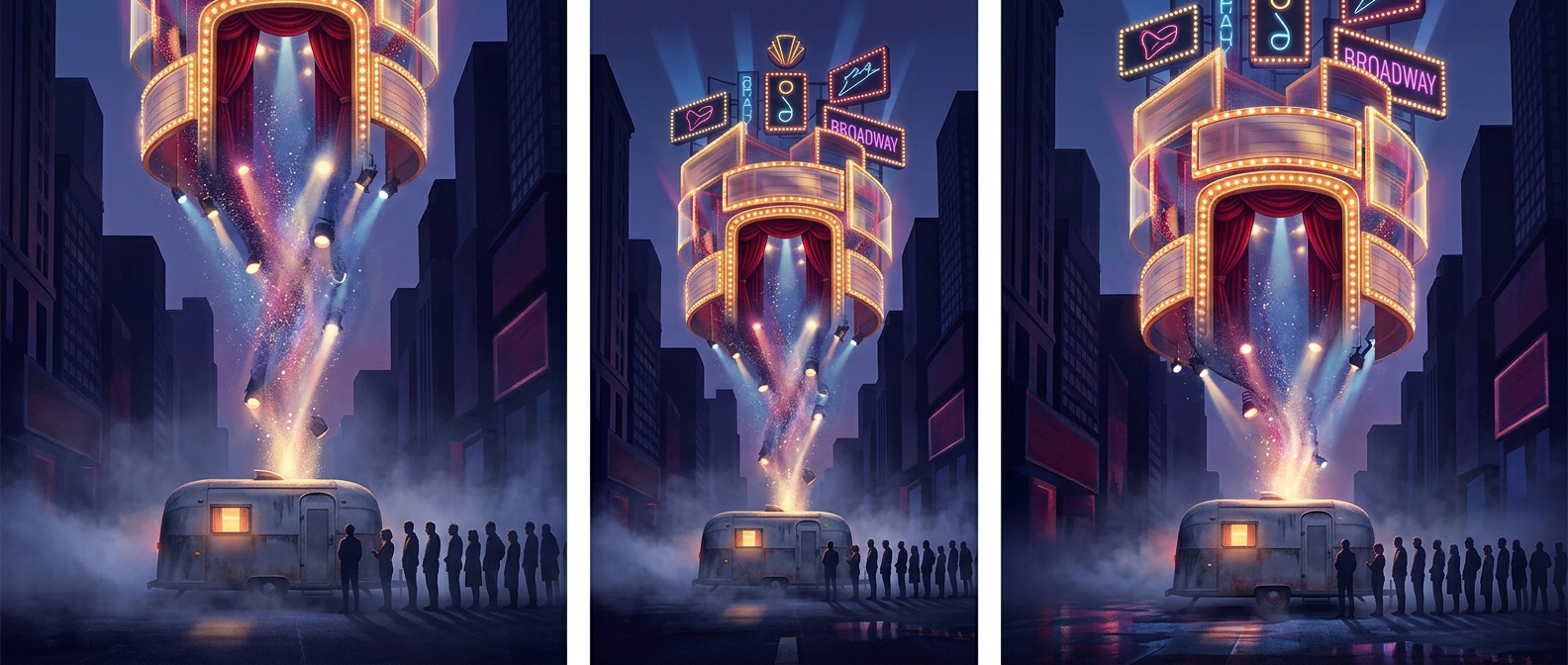
One Story, Several Collectible Packages
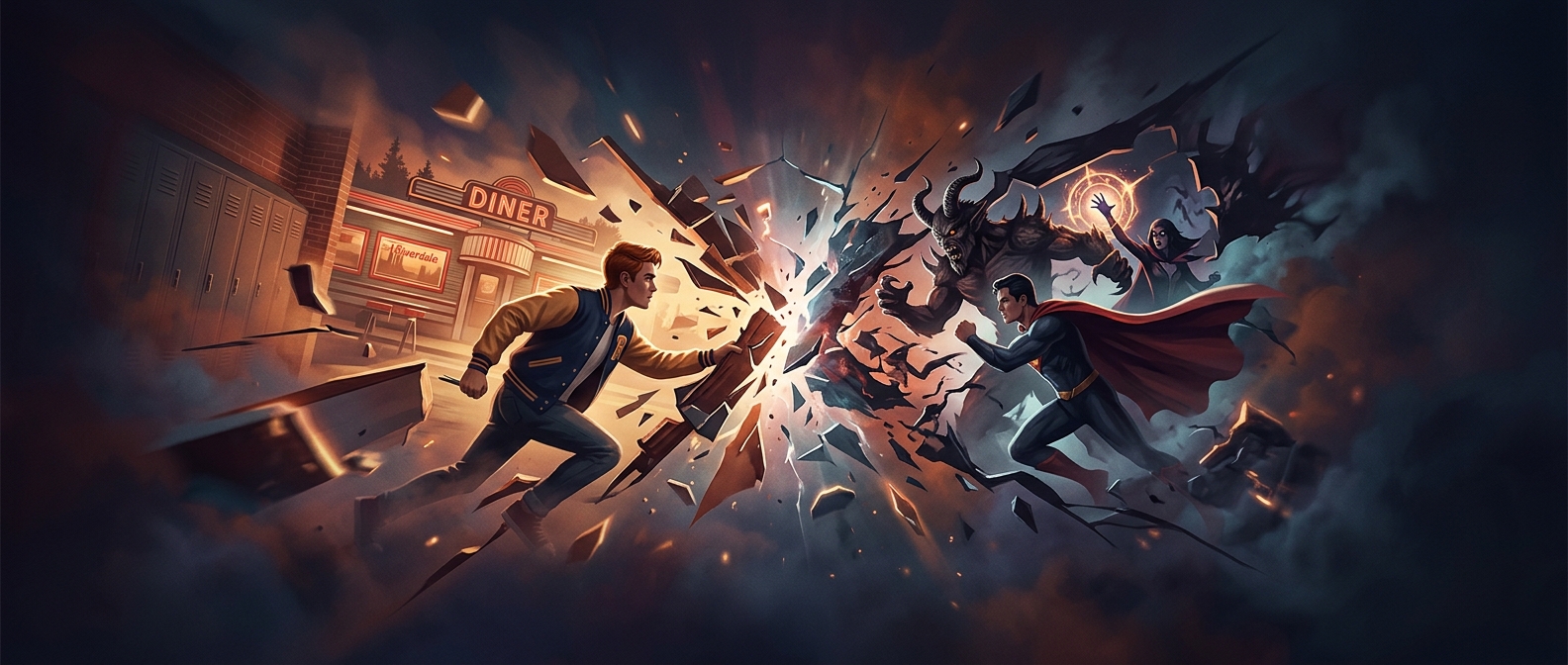
A comic’s cover is not just a wrapper: it is the first image a reader sees and often the most visible part of a particular issue. With a variant-cover release, the publisher prints the same comic story with different cover art. The pages inside do not change; the appeal is owning a different visual version of the same release.
That lets a publisher offer more collectible options without commissioning a second story or asking readers to follow a separate plot. An alternate cover might feature a different character, artist, or style, giving fans a specific image to seek out while the issue itself remains the same.
Scarcity Turns Art into a Sales Incentive
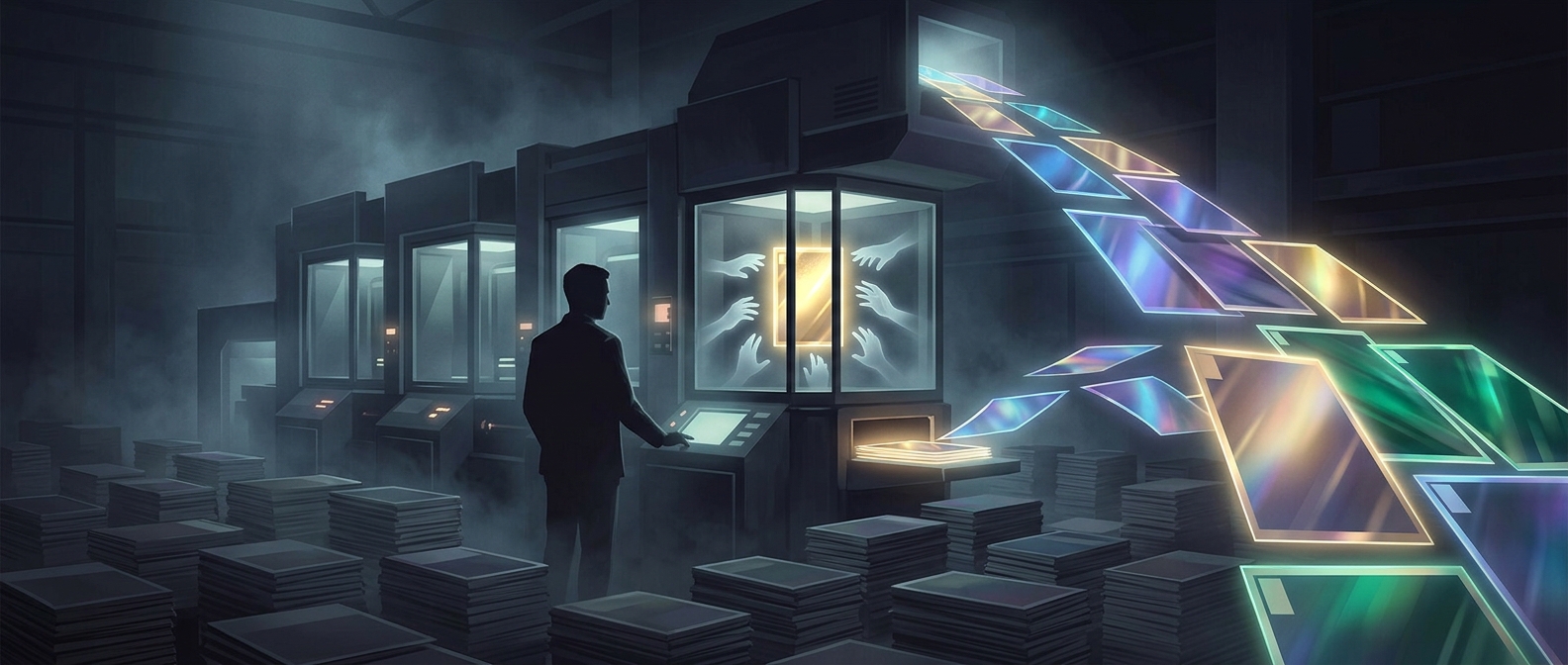
When an alternate cover is available in limited quantities, collectors may worry that waiting will mean missing it. That possibility can make the cover feel like an object to secure, not merely another way to read the issue. Fans who want multiple designs may buy several copies, even though one copy contains the complete story.
The incentive works because the two purchases serve different purposes: one copy is for reading, while another may be for collecting, displaying, or completing a set. The publisher can therefore sell additional copies without adding new story content. The tradeoff is built into the strategy: the extra appeal depends on the artwork and perceived rarity being worth the price of another identical comic.
The Cover Becomes Part of the Product
Variant covers shift some of a comic’s value from what happens inside to which edition a reader can obtain. For collectors, the difference between copies may be only a single image—but if that image is scarce or especially appealing, it can be enough to turn one issue into several purchases.