Why visitors entered Kowloon Walled City before it vanished
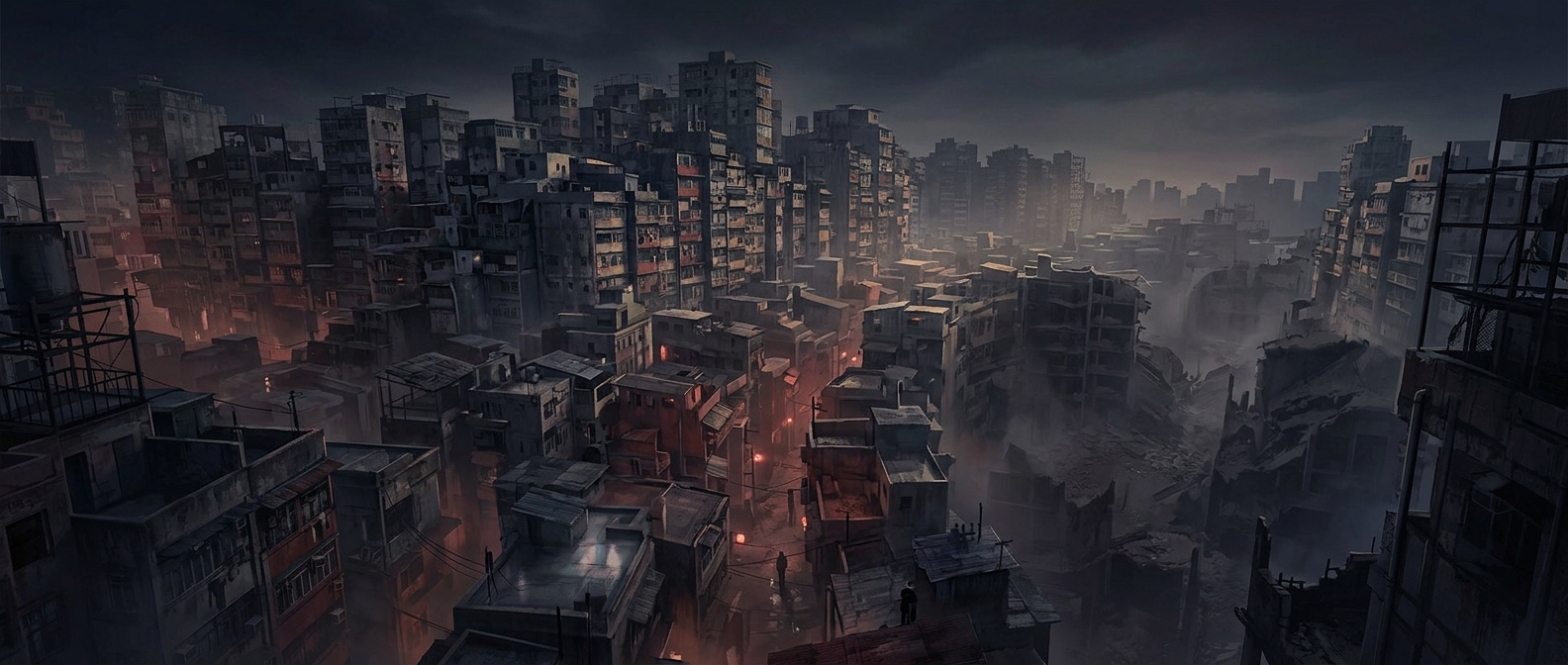
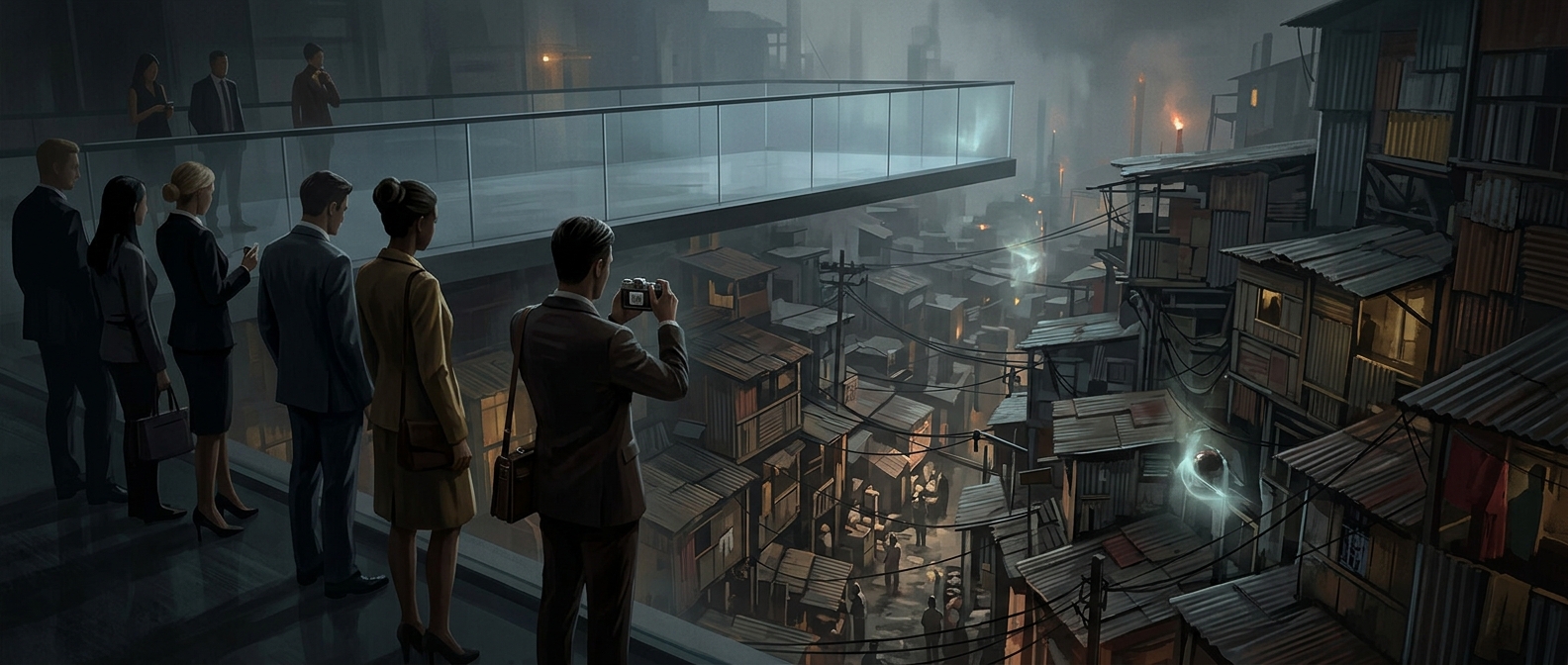
Kowloon Walled City drew tourists because it was not a preserved ruin or a purpose-built attraction. It was a crowded, lived-in district whose tangled lanes and buildings seemed to operate by different rules from the orderly city around them. Guided tours offered outsiders a way to enter that difficult-to-navigate world—and to see places they would be unlikely to find on their own.
The city’s maze was the result of its history and growth. Once a Chinese military fort, the enclave developed under an unusual and contested political arrangement. As residents added rooms and floors to existing buildings, construction spread upward and inward with little coordinated planning. Narrow passages, connected structures and limited daylight made the layout feel enclosed and obscure.
A neighborhood, not a set
That atmosphere fed the city’s reputation for illicit activity, including the opium dens and unlicensed dental practices mentioned in accounts of the tours. But the district was also home to residents, shops and small businesses. The same conditions that made it seem mysterious to visitors were part of everyday life for the people living and working there.
Tours turned that contrast into the experience: outsiders could be led through a place known by reputation, while guides supplied a route through its confusing interior. The appeal was inseparable from the fact that this was still a functioning neighborhood, not an exhibit arranged for visitors.
Once the authorities moved to clear the enclave, that access had an expiration date. Kowloon Walled City was demolished in 1993, ending the tours along with the place they passed through. What visitors had seen could not simply be recreated elsewhere: it was the product of a particular history, a dense built environment and a community on the verge of displacement.