How Kowloon Walled City Became a City Within a City
In Hong Kong, Kowloon Walled City grew into an exceptionally dense settlement where ordinary oversight was limited. Its unusual status had roots in a complicated history: a former Chinese military fort stood inside territory administered by the British, and competing claims made the enclave difficult to govern in the usual way. After World War II, people moved in, buildings multiplied, and the settlement expanded upward and inward.
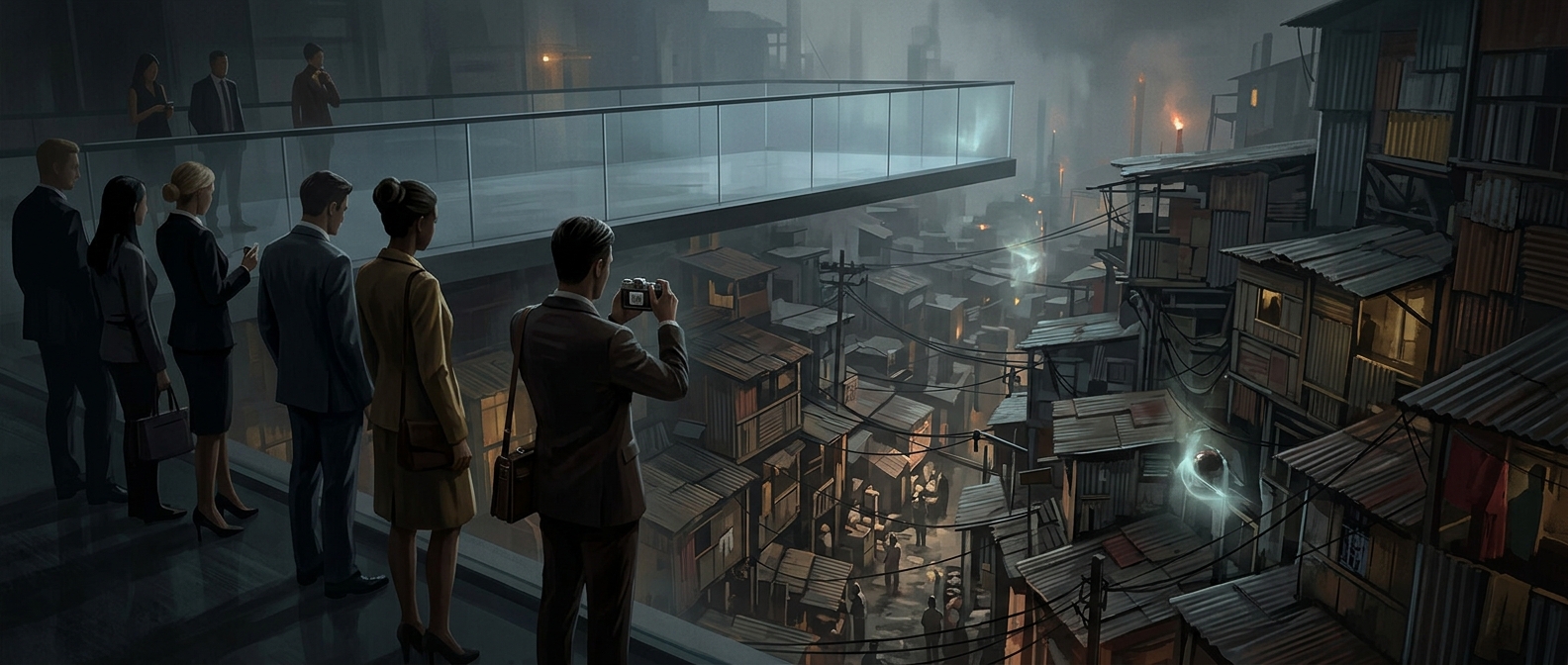
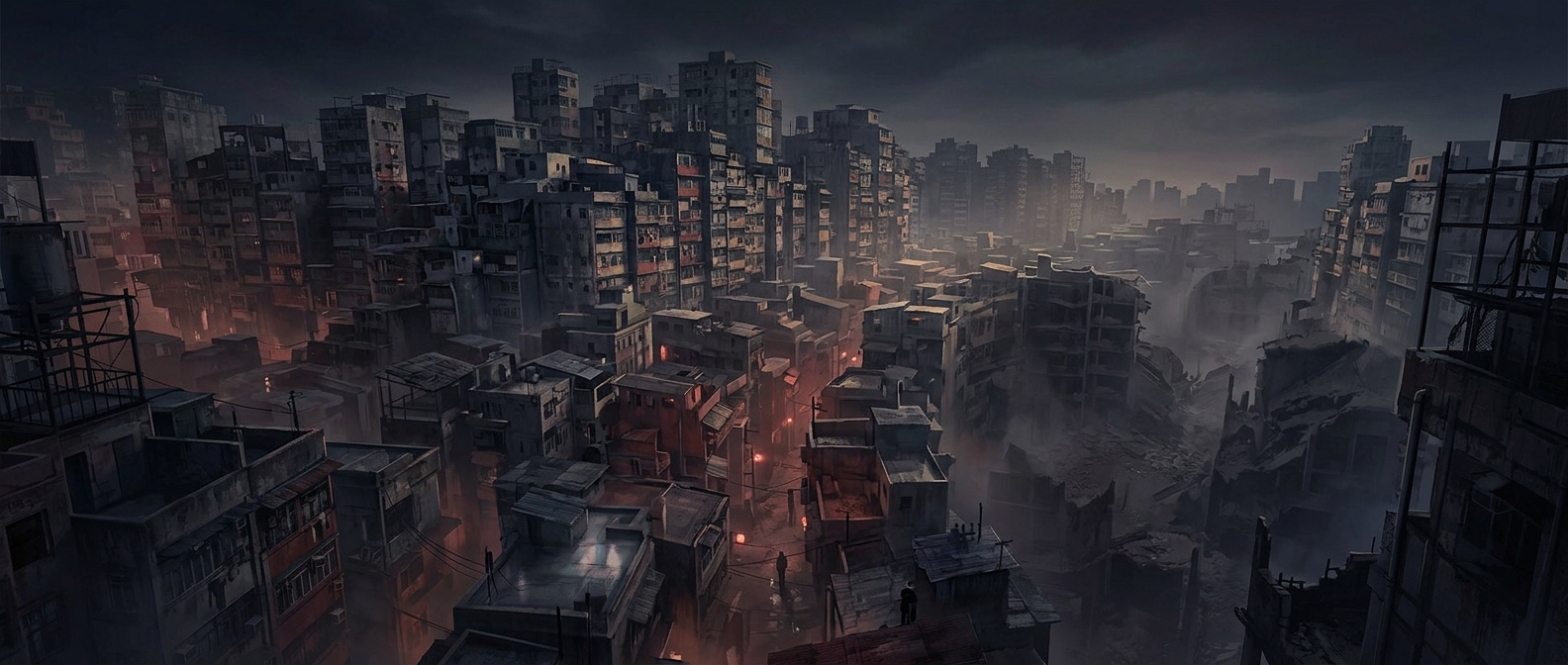
The result was not an orderly neighborhood planned from a map. Buildings were packed together, often connected across narrow passages, with little space for sunlight or open streets. Homes, workshops, shops, and small businesses occupied the same crowded maze. With formal services and enforcement limited, residents depended heavily on local networks and informal rules to manage daily life.
A Dense Neighborhood, Not an Empty No-Man’s-Land
“Lawless” can make the place sound as if no one organized anything. In practice, daily life still required ways to share space, settle disputes, and keep businesses running. Community relationships helped fill gaps left by weak official oversight, even as criminal activity also became associated with the enclave. The settlement was neither a conventional city neighborhood nor simply a place without rules.
Authorities eventually cleared and demolished Kowloon Walled City, relocating its residents. The site became a public park, while the settlement itself survives in photographs and accounts of its tightly interlocked buildings. Its most striking lesson is physical: when a city grows without coordinated planning, housing and work can fill nearly every available gap—but the resulting density can make light, access, and basic services difficult to provide.