Why a hero’s betrayal hits harder
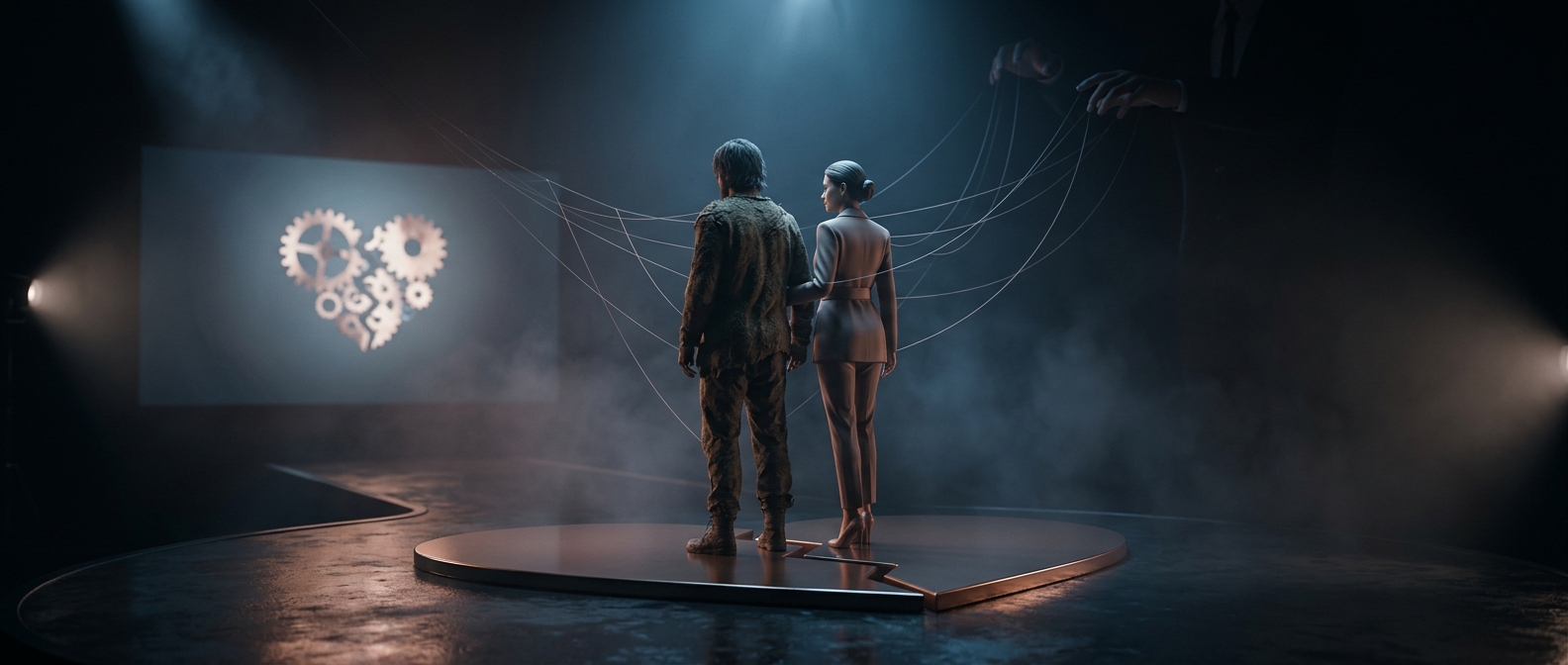
In professional wrestling, a heel turn is a character’s shift from hero to villain; a villain is called a heel. The turn works because the audience has already learned how to read the wrestler: as someone to cheer, trust, or root for. When that person suddenly helps an opponent, attacks an ally, or abandons a familiar code, the same actions that once drew cheers can now feel like a personal breach.
The story is not just “good person becomes bad.” It makes the audience revise what earlier moments meant. Was the hero’s confidence always arrogance? Was the loyalty only useful while it paid off? That uncertainty gives the betrayal more emotional weight than a new villain arriving without shared history.
Turning anger into ongoing tension
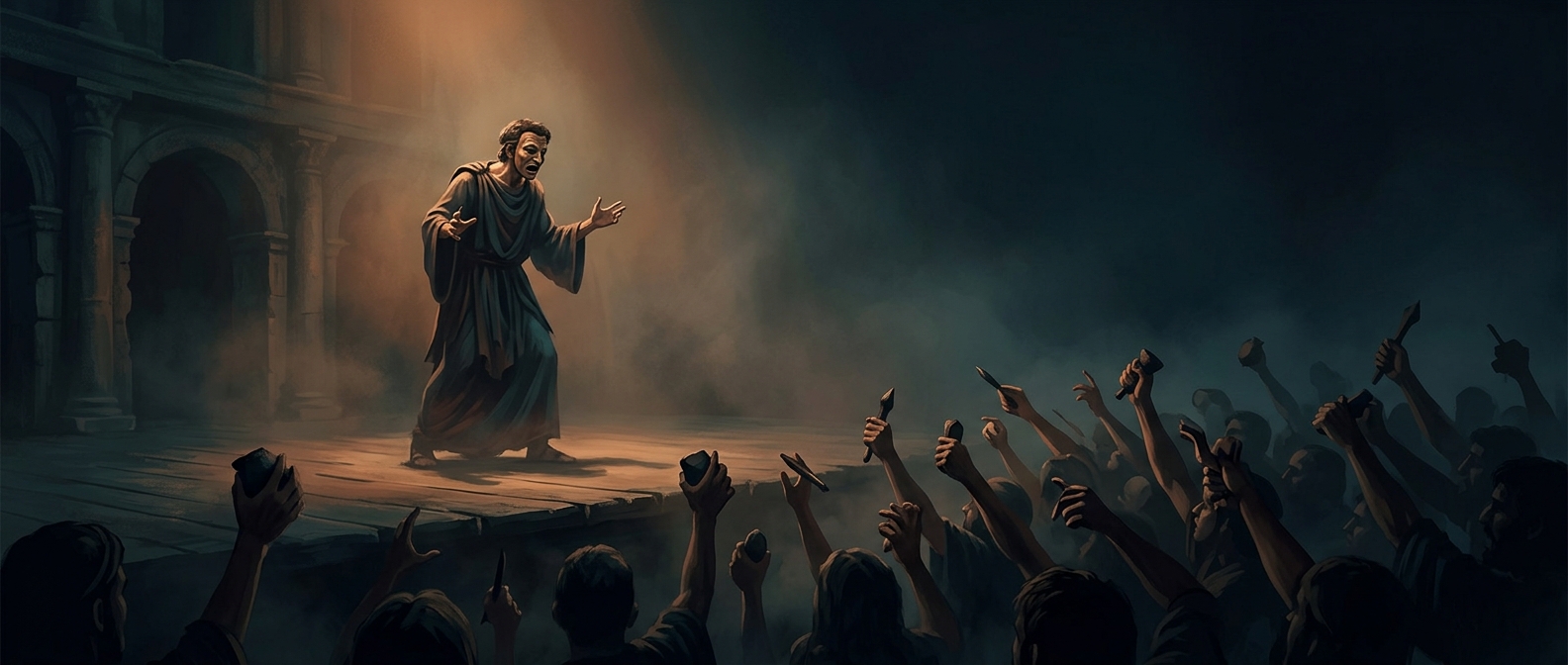
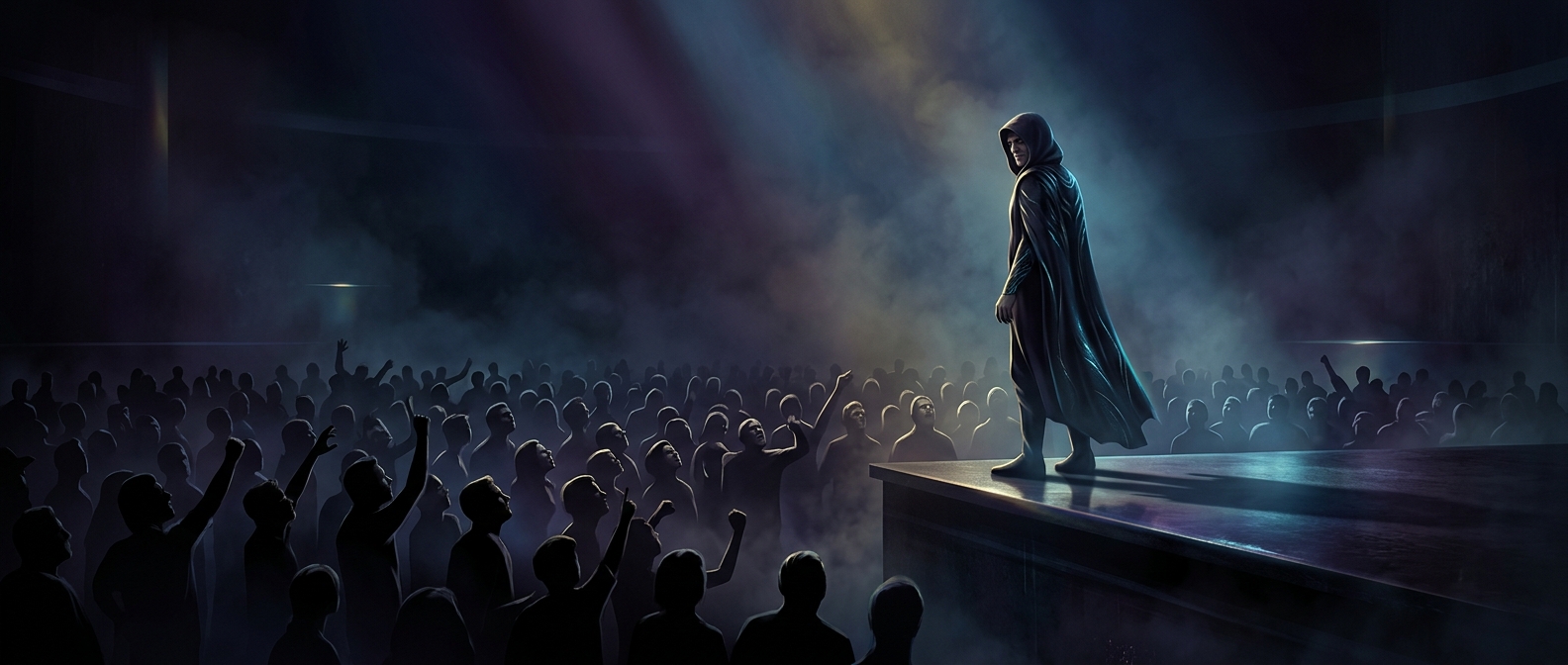
Wrestling stories are performed in front of an audience, so a heel turn has to communicate clearly in the moment. A visible choice—refusing help, siding with a rival, or striking someone who trusted them—gives spectators a reason to react. The wrestler can then lean into the new role by provoking the crowd, while the betrayed character gives the conflict a personal target.
The reaction is useful because it gives future matches a story beyond who is stronger. Fans may want to see the former hero punished, or hope the betrayal can still be repaired. But the turn needs enough setup to feel like a choice rather than a random change. When it lands, one action can transform an old partnership into the reason the next match matters.