From flax combs to sharp-tongued audiences
A heckle was originally a tool, not a comment. Textile workers used a heckle—a board fitted with rows of metal teeth—to comb flax, separating and straightening its fibers before they could be spun into linen. The work was repetitive, and workers could talk and trade teasing remarks as they did it. The setting gave the word an association with noisy, pointed banter.
How a worker’s word reached the stage
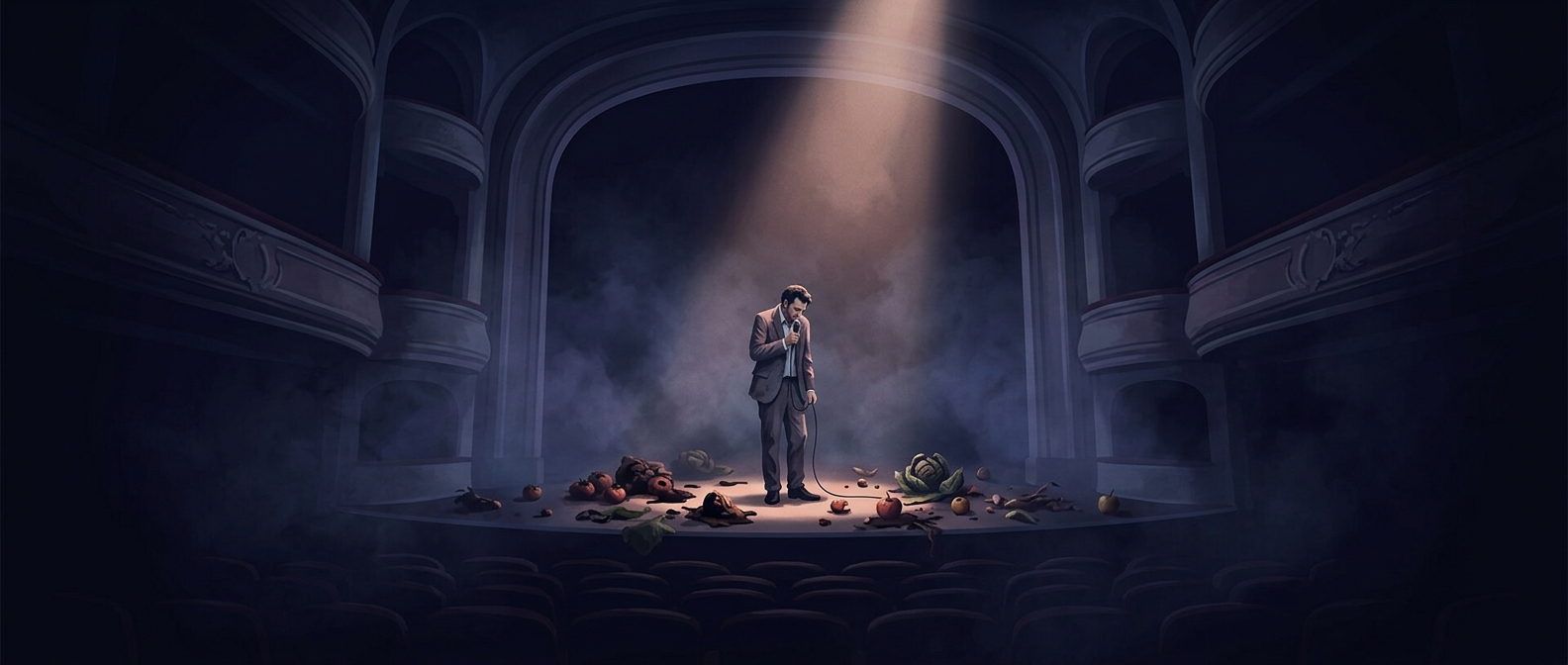
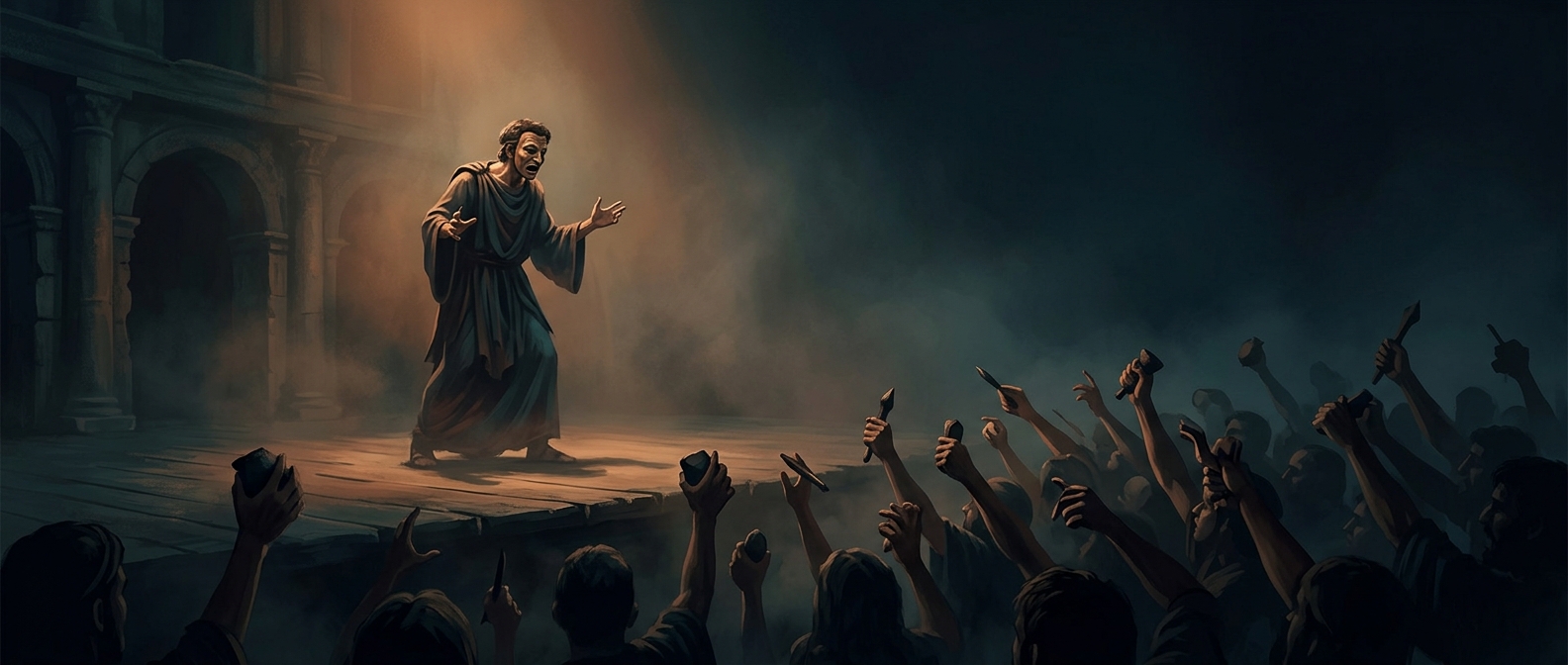
Over time, heckler came to describe someone who interrupted a public speaker with challenges or taunts. The word is especially associated with political meetings, where an audience member might call out while a speaker tried to hold the floor. From there, it became familiar in entertainment: a heckler is the person who interrupts a performer, often hoping to unsettle them or get a laugh.
The change in meaning follows a clear thread. The flax worker’s tool pulled fibers into order; the heckler’s words pulled a speaker off course. What began in the noisy rhythm of textile work became a name for an audience member who makes sure the performance does not proceed uninterrupted.