Why fullness takes time to catch up
Feeling full is not a switch that flips when food reaches your stomach. As you eat, your stomach stretches, and signals from the gut and brain build over time. Nutrients entering the digestive system also prompt chemical signals that help reduce appetite. Together, these cues help the brain register that a meal is underway—but they do not arrive all at once.
How food structure changes the pace
A food’s structure affects how quickly it can be eaten and processed. Intact, firm foods generally require more chewing; fiber can add bulk and, depending on its type, slow digestion. By contrast, many ultra-processed foods are soft, finely milled, or easy to swallow. Some are also energy-dense, delivering many calories in a small volume. That combination can make it possible to eat a substantial amount before the body’s accumulating signals have had much time to influence the meal.
This is not true of every ultra-processed food, nor does processing alone determine how filling something will be. Texture, portion size, ingredients, and eating speed all matter. But when food can be eaten quickly and offers little fiber or chew resistance, the timing can work against the body’s slower feedback system.
The practical consequence
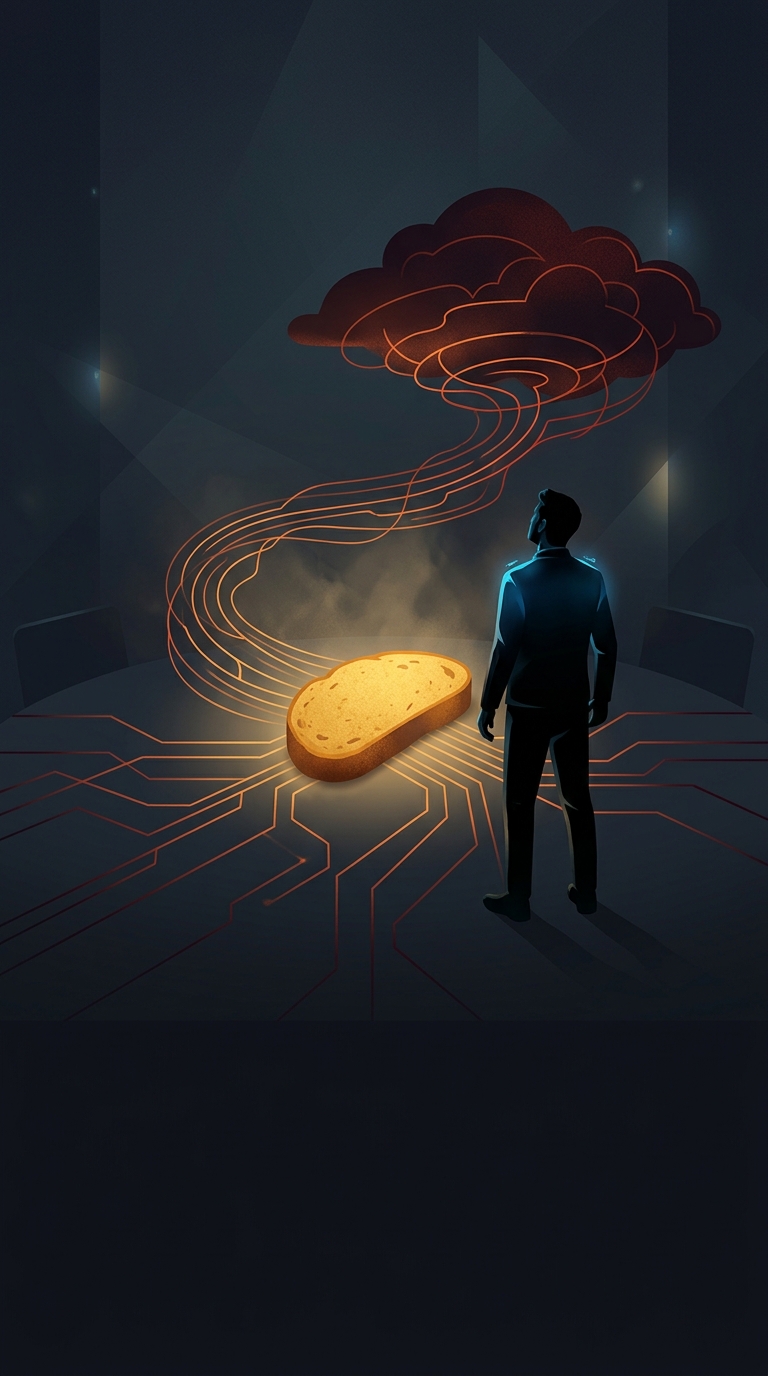
The mismatch is between the speed of eating and the speed of sensing. A person may keep taking bites because fullness has not yet become noticeable, then feel the meal’s effects only after more food is already gone. Slowing down or choosing foods that take longer to chew can give those signals more time to build—not as a guarantee of eating less, but as a way to bring the pace of the meal closer to the pace of the body’s response.